Fado Museum Lisbon: tickets, highlights and visitor guide
Plan a visit to the Fado Museum in Lisbon with practical tips, essential exhibits, how long to allow and what to see nearby in Alfama.
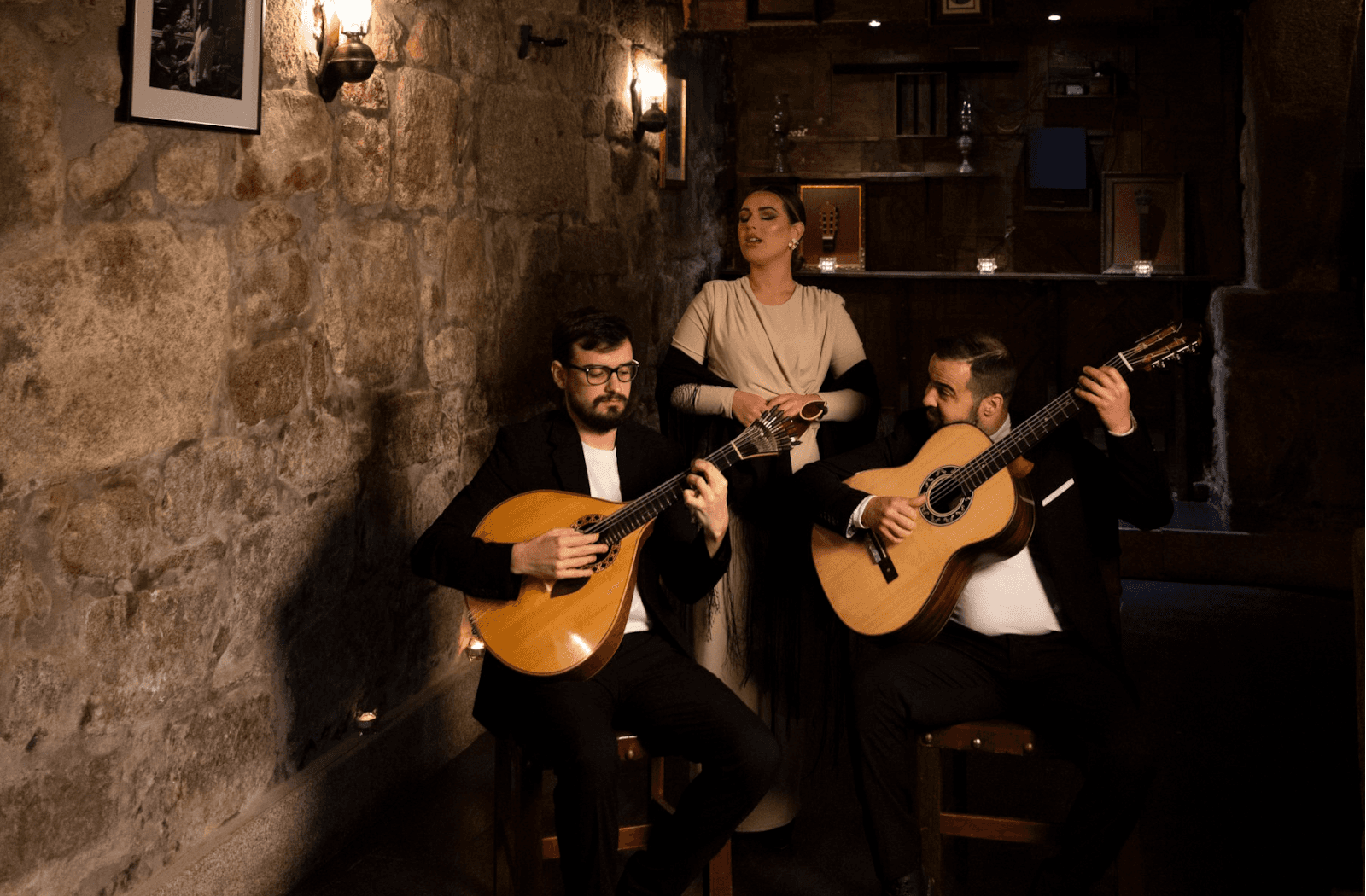
The Fado Museum in Lisbon is the best place to understand the music before hearing it live. Set in Alfama, the museum explains how fado grew from Lisbon’s streets and taverns into one of Portugal’s defining cultural traditions. It is compact enough to fit into a half-day in the historic centre, but detailed enough to reward visitors who already know singers such as Amália Rodrigues, Carlos do Carmo or Mariza.
The sections below cover what you can expect inside, how much time to allow and how to combine the museum with Alfama. It also helps you decide whether to visit before or after a live performance. Opening hours, ticket conditions and temporary exhibitions can change, so confirm the latest information on the official museum website before travelling.
Is the Fado Museum worth visiting?
Yes, particularly if you plan to attend a fado performance later in your trip. A show communicates the emotion of the music, while the museum supplies the historical and social context. Exhibits explore the voices, instruments, composers, poets, broadcasters and venues that shaped the genre. Audio material is central to the experience, so this is not simply a collection of costumes and old photographs.
The museum is less essential for travellers with no interest in music or cultural history. In that case, a walk through Alfama may be the better use of limited time. If you are curious about why fado matters to Lisbon, however, the museum makes a live performance much easier to appreciate.
What you will see inside
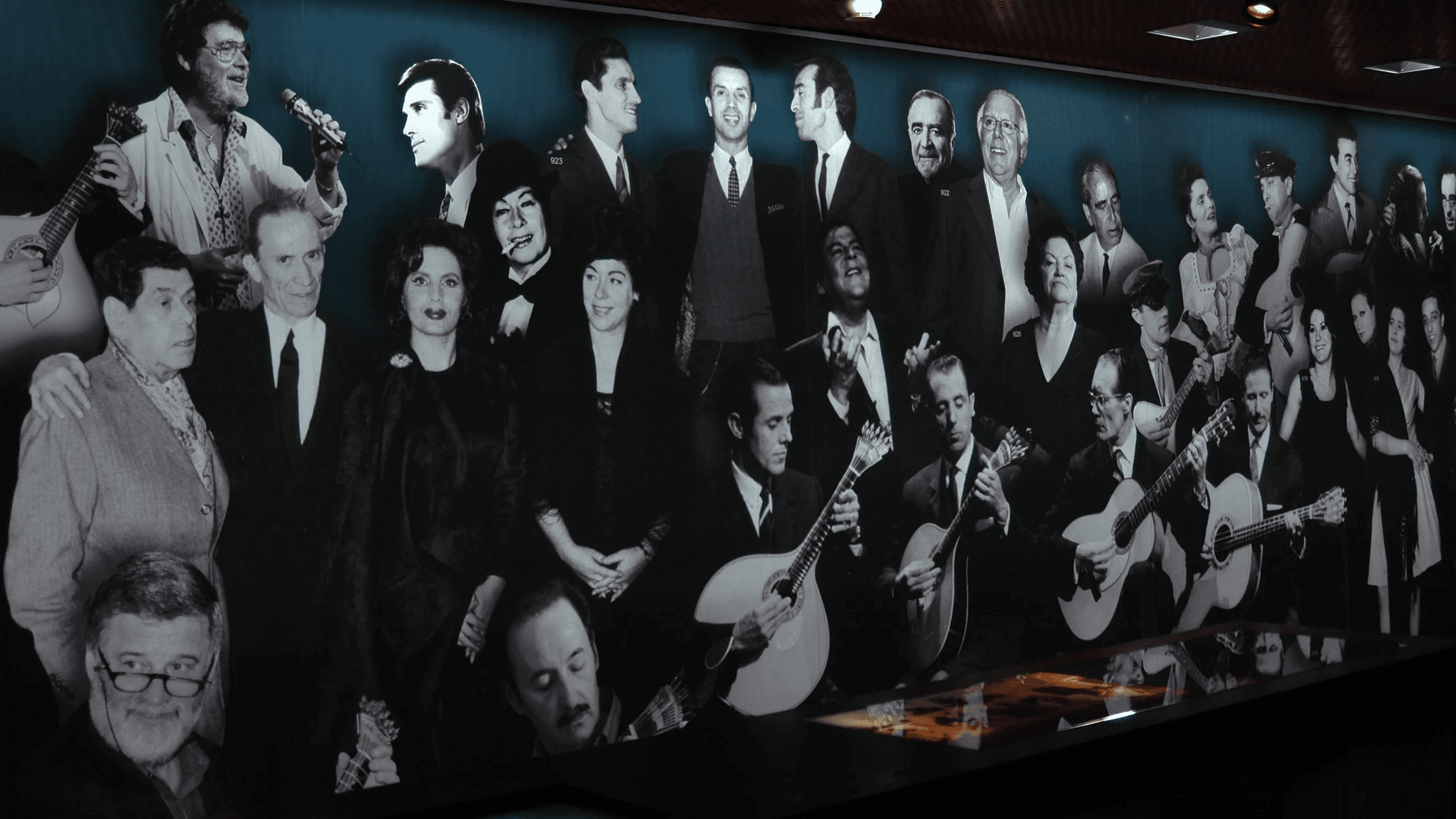
The permanent exhibition follows fado from its nineteenth-century roots through recordings, radio, cinema and the international stage. Displays introduce important performers and explain the difference between Lisbon fado and other Portuguese traditions. Look for material connected with Amália Rodrigues, whose career helped bring the music to audiences far beyond Portugal.
The Portuguese guitar deserves special attention. Its bright, unmistakable sound is one of the features that separates fado from an ordinary acoustic song performance. Instruments, recordings and technical explanations show how the guitar supports the singer and interacts with the classical guitar. Listening stations are especially useful because they let you compare voices and periods instead of reading names without hearing them.
Temporary exhibitions and events can change the emphasis of a visit. Check the current programme if you are especially interested in photography, a particular singer or live programming. Visitors who want a more guided cultural day can also consider this fado history tour including the museum and Amália Rodrigues’ house.
How long should you spend at the Fado Museum?
Allow around 60 to 90 minutes for a normal visit. An hour is sufficient for the main story and a selection of recordings. Music enthusiasts can easily stay longer, particularly when a temporary exhibition is running. Headphones and audio exhibits slow the visit in a good way, so avoid treating the museum as a quick photo stop.
A useful sequence is to visit in the afternoon, explore Alfama afterwards and attend a performance in the evening. Our guide to the best fado shows in Lisbon compares short concerts with traditional dinner venues. For a broader introduction, see where to hear fado in Lisbon.
Where it is and how to get there
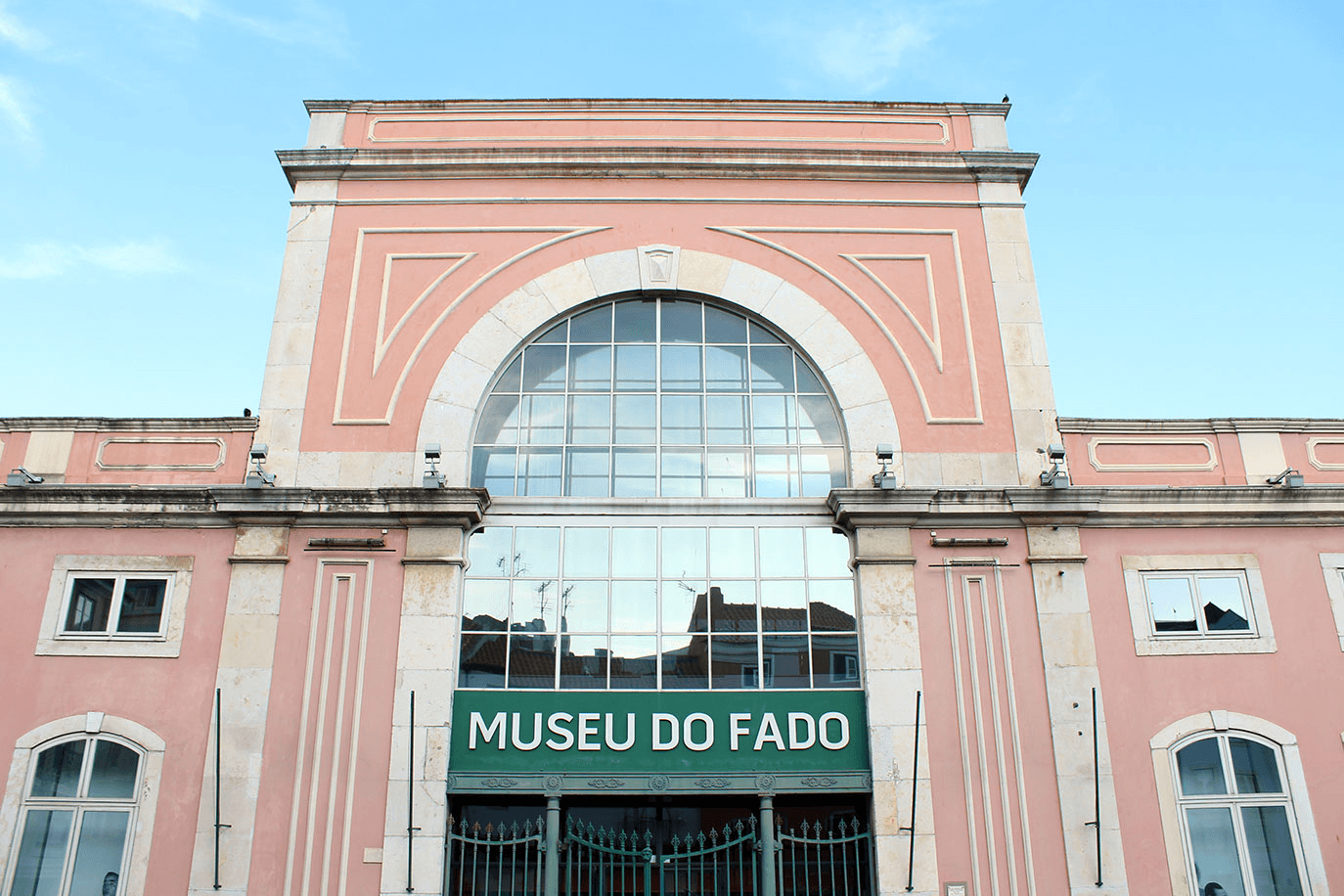
The museum is in Alfama, close to the river and a short walk from Santa Apolónia. The surrounding streets are steep and paved with calçada, so shoes with grip are sensible. Walking from Baixa is pleasant if you follow the lower streets; arriving from the hilltop viewpoints involves more slopes and steps.
Public transport is usually easier than driving because parking is limited and the old streets are not designed for visitor traffic. Build the museum into a wider route using our guide to what to see in Alfama. Nearby options include Lisbon Cathedral, the viewpoints of Santa Luzia and Portas do Sol, the National Pantheon and the lanes around the old Jewish quarter.
Tickets and practical planning
Ticket prices, concessions and free-entry arrangements should be checked directly before your visit. The museum may be included in city-pass offers, but inclusions change and closure days still apply. Compare the attractions you genuinely plan to visit before purchasing a pass; our Lisboa Card cost breakdown explains when it can save money.
The museum is indoors and works well on a rainy or very hot day. Accessibility is better than in much of surrounding Alfama, although the approach through the neighbourhood can still be uneven. Photography rules may vary by exhibition. Keep your phone silent around listening areas and leave enough time to use the audio material.
Museum first or fado show first?
If possible, visit the museum first. Learning about the poetry, instruments and performance conventions makes the silence during a live set feel intentional rather than formal. You will also recognise why conversation stops while a singer performs and why applause normally comes at the end of each song.
A museum visit is not a substitute for hearing fado live. The two experiences do different jobs. For an easy evening with the performance and meal organised together, compare availability for a guided fado show with Portuguese dinner. Travellers who prefer flexibility can book a short concert and choose a restaurant separately.
FAQ - Fado Musem in Lisbon
How long does the Fado Museum take?
Most visitors need 60 to 90 minutes. Allow longer if you enjoy listening to full recordings or if a temporary exhibition is included.
Is the Fado Museum suitable for children?
Older children interested in music may enjoy the instruments and listening stations. Younger children may find the historical displays less engaging, so keep the visit focused and relatively short.
Can you hear live fado inside the museum?
The museum has recordings and may host events, but it should not be treated as a guaranteed daily fado show. Check the official programme for your date.
What should you do after the museum?
Walk through Alfama, stop at the riverside or continue towards the National Pantheon. In the evening, attend a short concert or reserve a table at a traditional fado house.

Rafael Rocha
The Author
Having lived and studied in Lisbon for many years, a deep connection to the city grew naturally over time. Here I share practical guides and local recommendations to help you experience Lisbon better.
Buy me a coffee