Lisbon to Algarve: train, bus, car or transfer?
Compare the best ways to travel from Lisbon to the Algarve by train, bus, car, flight or private transfer.
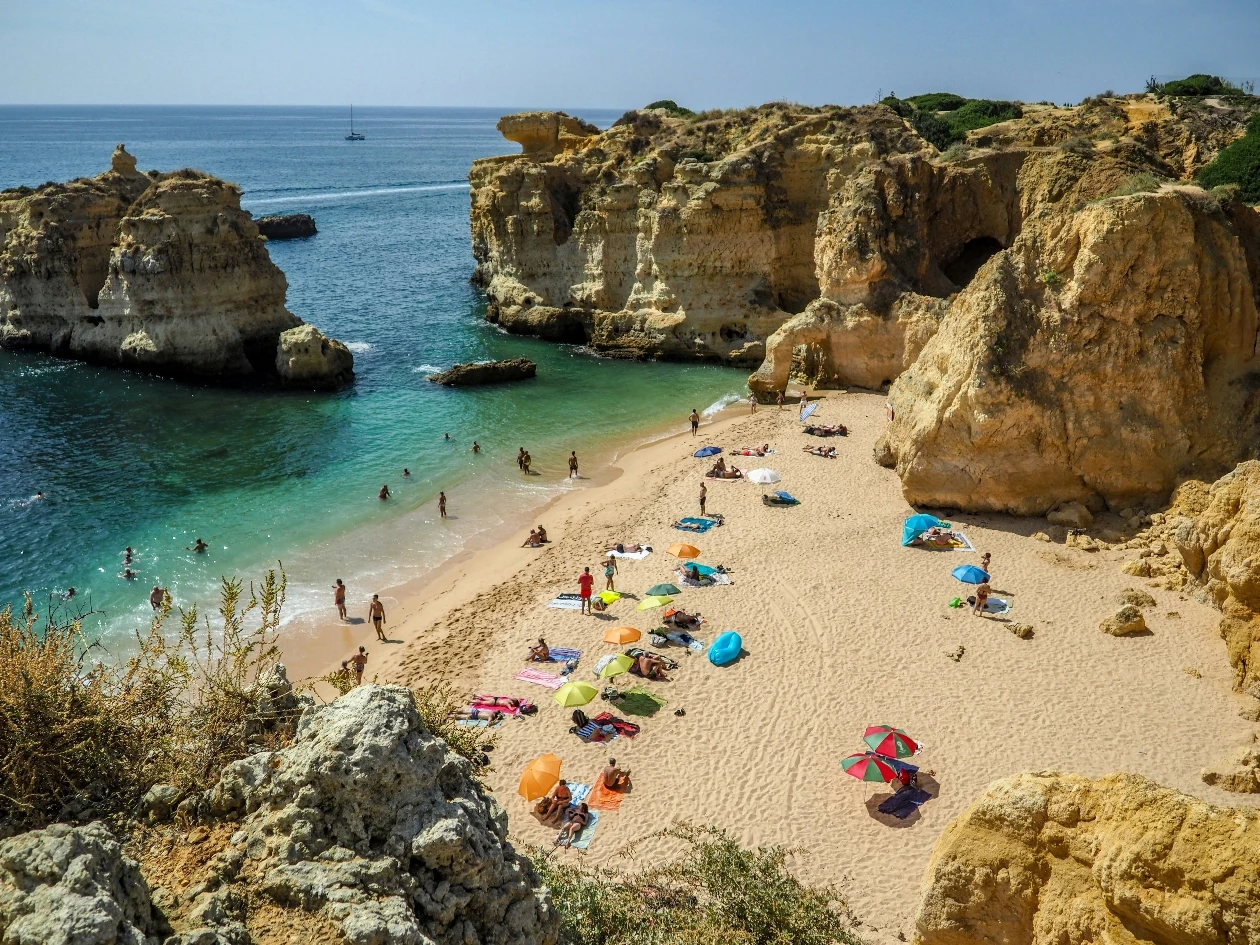
Getting from Lisbon to the Algarve is relatively easy, but the best option depends on where in the Algarve you are actually going. Faro, Albufeira, Lagos, Tavira and other towns do not all work equally well with the same type of transport, so the smartest choice is usually the one that fits your final stop, your budget and what you plan to do once you arrive.
In this article, you will find the best ways to get from Lisbon to the Algarve by train, bus, car or flight, plus practical advice on when each option makes the most sense.
What is the best way to get from Lisbon to the Algarve?
For most travellers, the best way to get from Lisbon to the Algarve is by train or bus. Train is usually the more comfortable option, while bus is often the cheaper one. CP continues to run long-distance rail services from Lisbon to the Algarve, and both FlixBus and Rede Expressos currently sell coach tickets on this corridor.
If you are heading to Faro, train is often one of the strongest choices. If you are going to Lagos or another destination where coach routes are simpler, the bus can make more sense. If you want flexibility once you arrive and plan to move around a lot, driving is usually the better option. Flying to Faro is possible, but for most people it is the least compelling value choice once you factor in airport time as well as the fare.
Lisbon to the Algarve by train
Train is one of the most comfortable ways to travel south. CP’s long-distance services connect Lisbon with the Algarve, and CP also confirms that tickets can be bought online up to 60 days in advance.
For current 2026 fares, CP lists the Lisbon–Faro Intercidades at 24,55€ one way in 2nd class. Advance-purchase Promo tickets can start at 9€, subject to availability. Prices vary by train, date and discount, so check CP before booking.
Train usually makes the most sense if you are going to Faro, Albufeira/Ferreiras or another destination that fits naturally into the rail corridor, and if you do not need a car immediately after arrival. It is also a good choice if comfort matters more to you than getting the absolute lowest fare.
When the train makes the most sense
The train is usually the best fit if you are:
going to Faro
travelling light
staying mainly in one base
looking for a smoother, more comfortable journey
booking in advance and hoping to catch better fares
If your final destination is further west or east and the rail connection becomes less convenient, the bus may be easier in practice.
Lisbon to the Algarve by bus
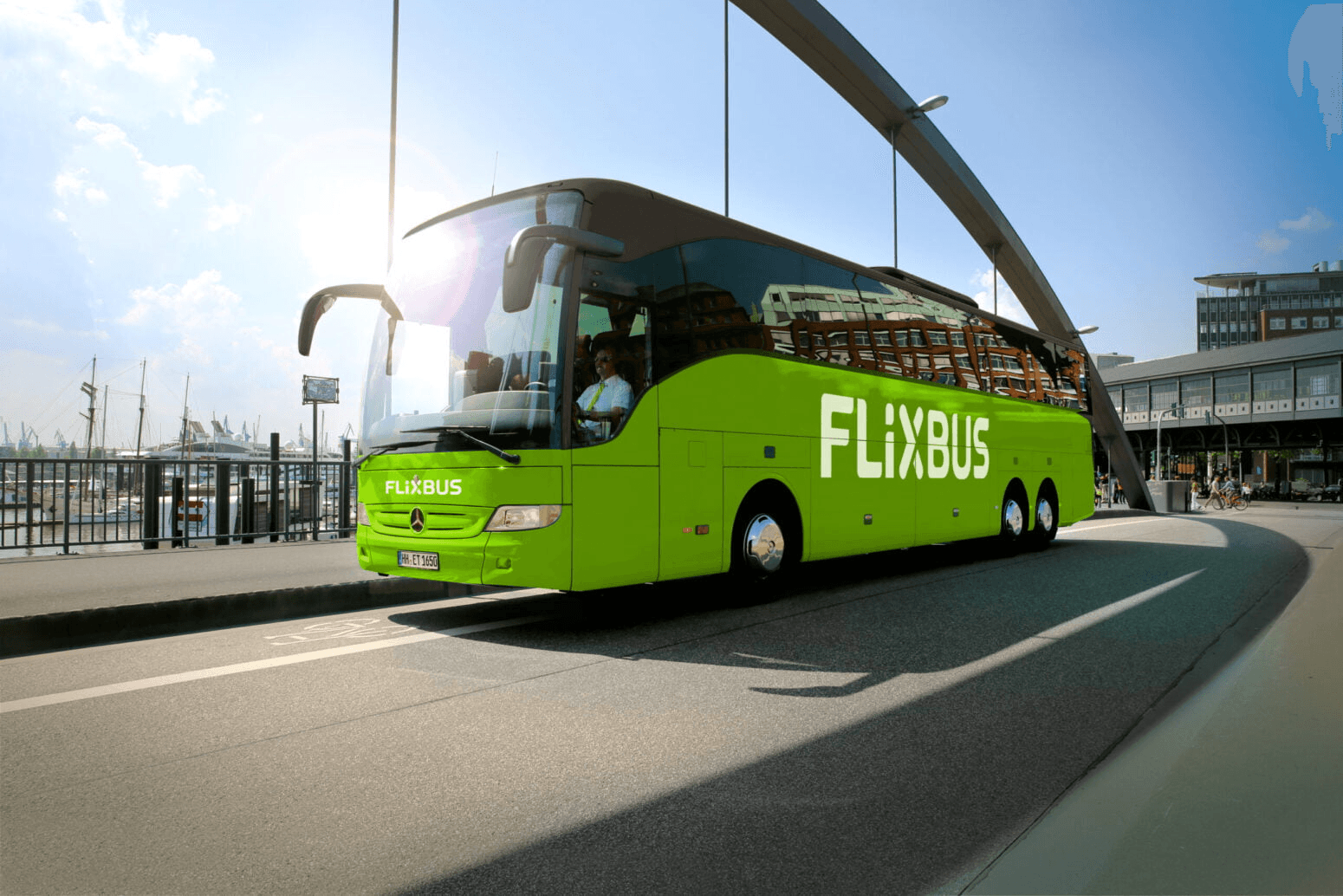
For many travellers, the bus is the simplest and cheapest option. FlixBus should absolutely be included, because it is currently a real and competitive option on Lisbon–Algarve routes.
FlixBus currently shows Lisbon to Faro from 5,48€, with an average journey time of 3h36, and Lisbon to Albufeira from 4,98€, with an average journey time of 2h47 and a fastest journey listed at 2h45.
Rede Expressos should also be included in the article, because it remains one of the main national coach operators and sells Algarve tickets through its official booking platform. Its pricing is dynamic, so it is better to describe it as another key operator to compare rather than freezing a single fare in the article body.
As a practical price estimate, bus is often the cheapest way to get from Lisbon to the Algarve, and a realistic range is roughly 5€ to 20€ one way, depending on route, operator and how early you book. FlixBus often occupies the lowest end of that range on some dates, while other departures can cost more.
When the bus is the better option
The bus is often the best choice if you are:
trying to keep costs low
going to Lagos, Tavira or another destination where coach travel is more direct
happy to prioritise price over comfort
looking for a straightforward city-to-city connection
It is also one of the easiest options to compare quickly, because both FlixBus and Rede Expressos sell tickets online.
Lisbon to the Algarve by car
Compare rental cars for the Algarve: Check current Lisbon collection prices on DiscoverCars and compare the full price, toll terms and insurance before booking.
Driving is the most flexible option. If your Algarve trip is not just one destination but a wider plan involving several beaches, towns or inland stops, the car quickly becomes much more attractive.
The trade-off is cost. As a rough one-way estimate, driving from Lisbon to the Algarve will often land somewhere around 35€ to 60€ or more once you combine tolls and fuel, depending on your vehicle, your route and where in the Algarve you are going. That is not a fixed fare, just a practical estimate — and it is exactly why driving tends to make more sense when the cost is shared or when flexibility matters more than price.
If you are only going from Lisbon to Faro or Albufeira and staying put, the car is often less compelling than train or bus. If you want to move around a lot once you arrive, it can be the smartest option.
Should you drive from Lisbon to the Algarve?
Driving usually makes the most sense if you are:
planning a road trip
staying in more than one Algarve town
heading to beaches or areas outside the main public transport corridor
travelling with surf gear, kids or a lot of luggage
sharing costs with other people
If none of those apply, public transport is often easier and cheaper.
Is flying from Lisbon to Faro worth it?
In theory, flying is the fastest option. In practice, it is often the worst-value one.
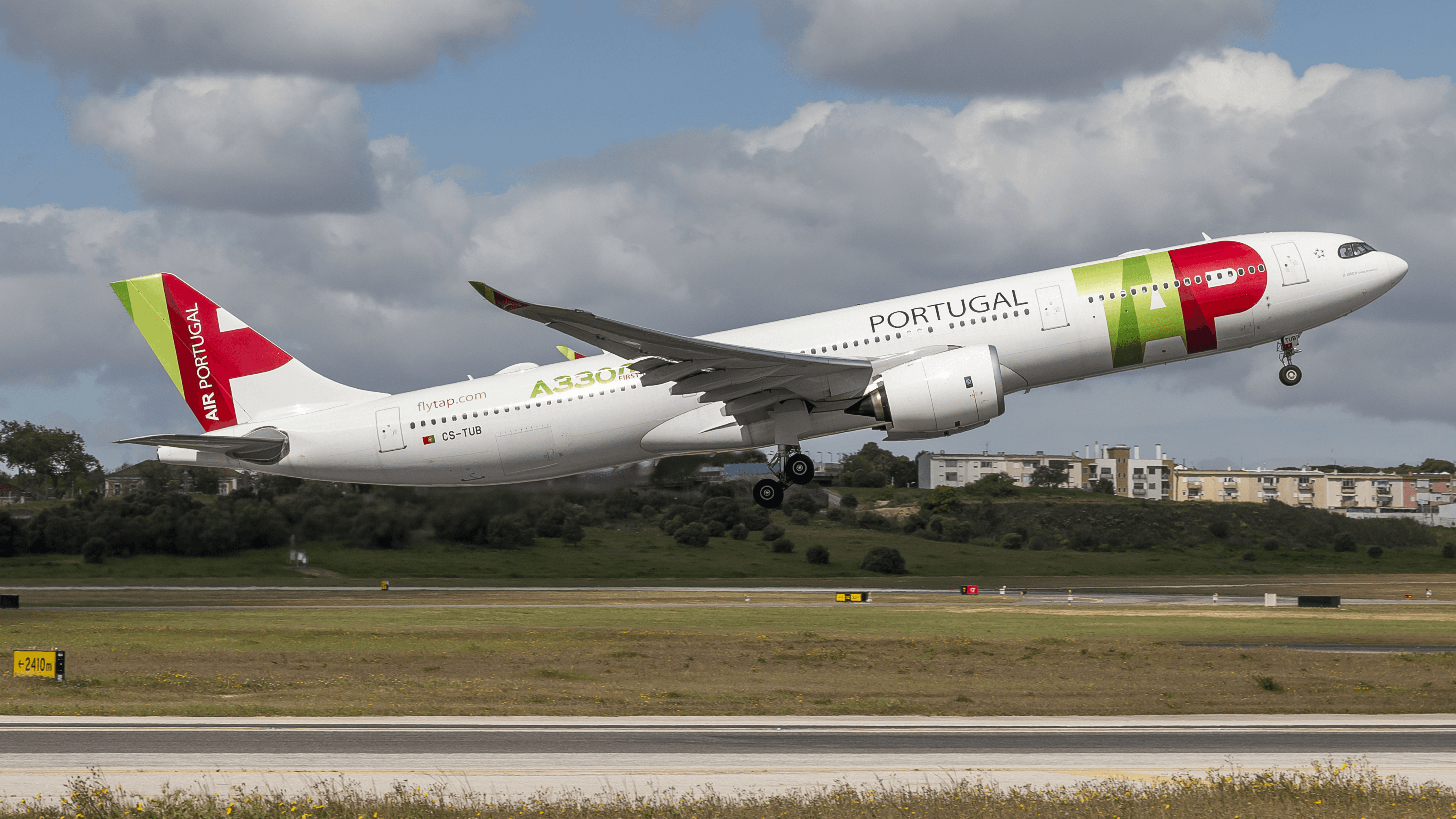
TAP is currently advertising Lisbon to Faro round-trip fares from 81€ on one sample result and from 151€ on another, depending on the travel dates shown on the page.
That means flying is usually much more expensive than the cheapest bus or train options. And once you add the time needed to get to Lisbon Airport, arrive early enough for departure, land in Faro and continue onward from the airport, the real-life time advantage often shrinks quite a bit. For most travellers, flying only makes sense if the schedule happens to work unusually well for a specific trip.
As a rough working estimate, flights on this route are often better thought of as 40€ to 100€+ each way in practice, depending on dates and whether you are comparing against a round-trip fare.
Which option is best for Faro, Albufeira and Lagos?
Faro
If you are going to Faro, train is often one of the best choices. It is comfortable, easy to book and generally more appealing than flying for most travellers. Bus also works well if you find a cheaper or more convenient departure.
Albufeira
If you are going to Albufeira, both train and bus can work well. Bus often wins on price, while train may appeal more if you care about comfort. FlixBus currently shows some very low entry fares on this route, which makes coach especially competitive here.
Lagos
If you are going to Lagos, the decision usually becomes more practical than romantic. Coach is often simpler, while train can work but is not always the most direct-feeling option for the overall trip. If you are planning to explore the western Algarve beyond Lagos, driving becomes much more attractive.
How to choose the right option
The easiest way to decide is to ask what happens after you arrive.
If you are arriving and then staying in one place, train or bus is usually ideal.
If you are arriving and then moving around a lot, driving is often better.
If you are only comparing headline journey times and ignoring airport logistics, flying will probably look better than it really is.
The best option is not always the one that looks fastest at first glance. It is the one that makes your whole trip easier.
Practical tips before you travel
Book train or bus in advance if you are travelling in summer or on weekends. CP confirms online sales up to 60 days in advance, and both FlixBus and Rede Expressos also sell tickets online.
If you are driving, remember that the flexibility is the main advantage, not the price. If you are flying, compare the full door-to-door time, not just the airborne part.
If you are still undecided about whether the Algarve is worth the extra distance from Lisbon, think about the type of trip you want. For a short city break, the Lisbon area may already be enough. For a longer beach-focused trip, the Algarve usually justifies the journey.
Final thoughts
Getting from Lisbon to the Algarve is easy, but there is no single best option for everyone. Train is usually the strongest choice for comfort, bus is often the cheapest, car is best for flexibility, and flying is generally the least attractive once you compare the real total cost and time.
If you want the short version: choose train for comfort, bus for budget, car for freedom, and flight only if the schedule genuinely works in your favour.
FAQ
1. What is the cheapest way to get from Lisbon to the Algarve?
Usually the bus. FlixBus currently shows Lisbon–Faro from 5,48€ and Lisbon–Albufeira from 4,98€, although fares vary by date.
2. Is the train from Lisbon to the Algarve worth it?
Yes, especially if you are heading to Faro or another destination that fits naturally into the rail corridor. It is usually the most comfortable public transport option.
3. Is the bus from Lisbon to the Algarve cheaper than the train?
Often yes. Current FlixBus fares start well below the train price floor shown in CP’s Faro pricing sheet, although this depends on route, date and how early you book.
4. Should I drive from Lisbon to the Algarve?
Driving is worth it if you want to explore several towns or beaches once you arrive. If you are staying in one place, train or bus is often simpler and cheaper overall.
5. Is flying from Lisbon to Faro worth it?
Usually only in specific cases. TAP currently shows round-trip sample fares from 81€ and 151€ on different date combinations, which often makes flying far less attractive than bus or train.
Continue planning with our guide to How many days in Lisbon? and How to get from Lisbon airport to the city centre.

Rafael Rocha
The Author
Having lived and studied in Lisbon for many years, a deep connection to the city grew naturally over time. Here I share practical guides and local recommendations to help you experience Lisbon better.
Buy me a coffee