10 must-see places to visit in santos, Lisbon
Discover 10 must-see places to visit in Santos, Lisbon, from top museums and historic streets to gardens, culture and local nightlife spots.
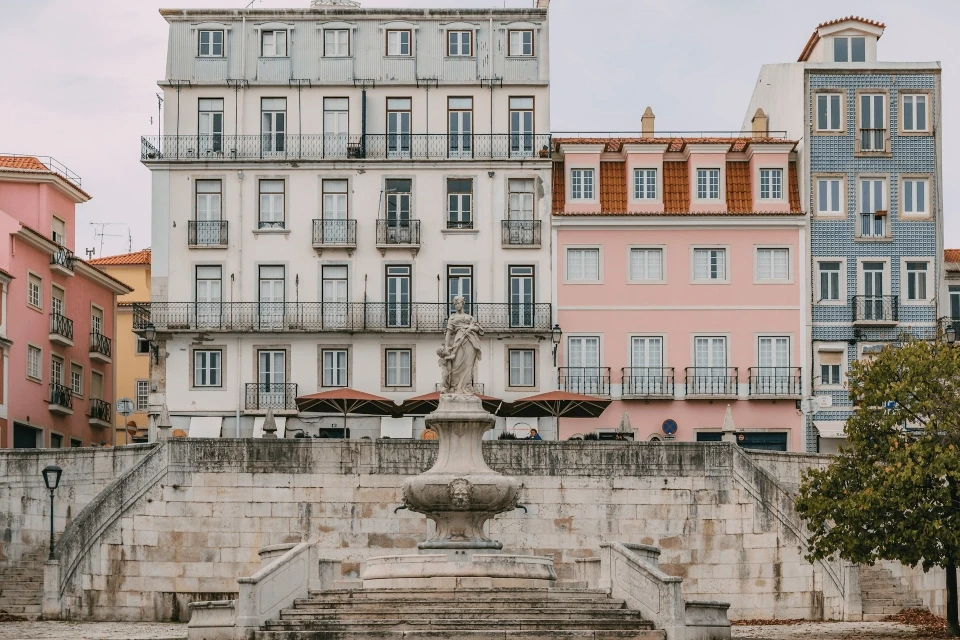
Santos is one of those Lisbon neighbourhoods that feels easy to overlook until you spend a bit of time there. It sits between the river, Madragoa and Estrela, and mixes grand old buildings, museums, theatre spaces, quieter residential streets and a nightlife identity that never completely disappeared.
Below are 10 places worth seeing in Santos, from major cultural landmarks to smaller stops that help you understand the character of the area. If you are planning a wider trip through the city, this neighbourhood also fits well with a broader guide to what to visit in Lisbon or a slower afternoon exploring what to see in Belém.
1. National Museum of Ancient Art
If you only visit one major attraction in Santos, make it the National Museum of Ancient Art. It is one of the most important museums in Portugal and holds the country’s leading public collection of art from the 12th to the 19th centuries, including painting, sculpture, jewellery and decorative arts from Portugal, Europe, Africa and Asia.
This is the kind of place that rewards unhurried visits. Even if you are not someone who usually plans museum stops, the setting on Rua das Janelas Verdes and the quality of the collection make it one of the strongest cultural visits in Lisbon.
2. Museu da Marioneta
The Puppet Museum (Museu da Marioneta) is one of the most distinctive museums in Lisbon and feels far more interesting than many visitors expect. It is housed in the former Convento das Bernardas and is the first museum in Portugal entirely dedicated to puppets, their history, techniques and the world of puppet theatre, with particular attention to Portuguese traditions.
It works especially well if you want something different from the usual Lisbon museum circuit. The setting is beautiful, the subject matter is unusual, and it is one of the best places in the area for families as well.
3. Igreja de Santos-o-Velho
This church is one of the historical anchors of the neighbourhood. According to Lisbon’s municipal information, a new church was built here in 1147 over remains associated with a presumed late Roman temple dedicated to the martyrs Veríssimo, Máxima and Júlia.
Even if you are not planning a full church-hopping day in Lisbon, this is worth a short stop. It helps explain why Santos feels older and more layered than its nightlife reputation suggests, and it gives the area a stronger historical identity than many first-time visitors realise.
4. Jardim de Santos
Also called Jardim Nuno Álvares, this small triangular garden is not huge, but it is one of the neighbourhood’s most useful pauses. Lisbon’s city information describes it as a 19th-century romantic-style garden with an area of 0.39 hectares, while the local parish highlights its bronze statue of Ramalho Ortigão and a notable bela-sombra tree.
This is a good place to sit for a few minutes and watch the neighbourhood move around you. In a part of Lisbon with traffic, slopes and plenty of built-up streets, that bit of shade and breathing room matters more than it looks on a map.
5. Chafariz das Janelas Verdes
Right in front of the museum area, the Janelas Verdes fountain is one of those details many people walk past without properly noticing. Lisbon’s city directory notes that its construction was tied to a wider urban reorganisation of the area, and it remains one of the defining historical elements of this stretch of Santos.
It is not a destination in the same way as the museum, but it is exactly the sort of stop that gives the neighbourhood texture. If you like noticing architectural details rather than just ticking off landmarks, this is one to include.
6. Rua das Janelas Verdes
Some streets in Lisbon are worth including as attractions in their own right, and this is one of them. Rua das Janelas Verdes brings together old palaces, museum culture and a calmer atmosphere than many central areas of the city. It is also associated with literary Lisbon through the long-standing connection between the nearby Janelas Verdes palacete and Eça de Queirós.

This is one of the best parts of Santos for a slower walk. There is no need to rush through it. Give yourself time to notice façades, gateways and the way the street connects the grander side of Lisbon’s past with the more lived-in rhythm of the present.
7. A Barraca
Santos is not only about museums and old streets. It also has a strong cultural life, and A Barraca is one of the best examples. The theatre company was founded on 4 March 1976 and is based at Teatro Cinearte, in Largo de Santos, where it continues to stage socially and politically engaged work.
For travellers who want something beyond the standard sightseeing checklist, this is a smart addition. A neighbourhood makes more sense when you see how locals use it at night, and theatre is one of the most rewarding ways to do that.
8. Plateau
Plateau is part of the older nightlife memory of Santos, but it is not just a memory. Its official site still presents it as one of Lisbon’s most emblematic and charismatic clubs, closely tied to the riverside nightlife identity of the area.
This is the place to include if you want your Santos guide to reflect the neighbourhood properly. Santos may be calmer than it once was, but it still makes sense to acknowledge the side of the area that was shaped by late nights, music and dancing. For a wider roundup, it also connects naturally with a guide to Lisbon nightlife.
9. Largo de Santos and the riverside edge
Largo de Santos works as one of the main reference points in the area. It links the lower riverside side of the neighbourhood with the streets that rise into Madragoa and the older residential core. It is not the prettiest square in Lisbon, but it is one of the best places to understand how Santos is put together spatially.
From here, it is easy to head towards the river, move uphill into quieter streets, or continue your walk westward and eastward along the waterfront. In practical terms, it is one of the best starting points for exploring Santos without overplanning.
10. The design streets around IADE and Madragoa
Santos is often associated with design, and that reputation is not random. IADE remains one of Portugal’s best-known creative schools, and the neighbourhood’s identity as a design district grew around that creative presence and the cluster of design-related shops and studios that followed.
This final stop is less about a single monument and more about the atmosphere of the neighbourhood. Wander around Rua da Esperança, Rua das Trinas and the surrounding streets, and you get the version of Santos that feels most contemporary: local, slightly understated, creative and still tied to everyday Lisbon life rather than just tourism.
Which place in Santos is best?
If you want the most important cultural stop, go to the National Museum of Ancient Art.
If you prefer something more original and less expected, choose the Puppet Museum.
If your idea of visiting a neighbourhood is mostly about atmosphere, then Rua das Janelas Verdes, Jardim de Santos and the surrounding Madragoa streets will probably stay with you the longest.
Practical tips before you go
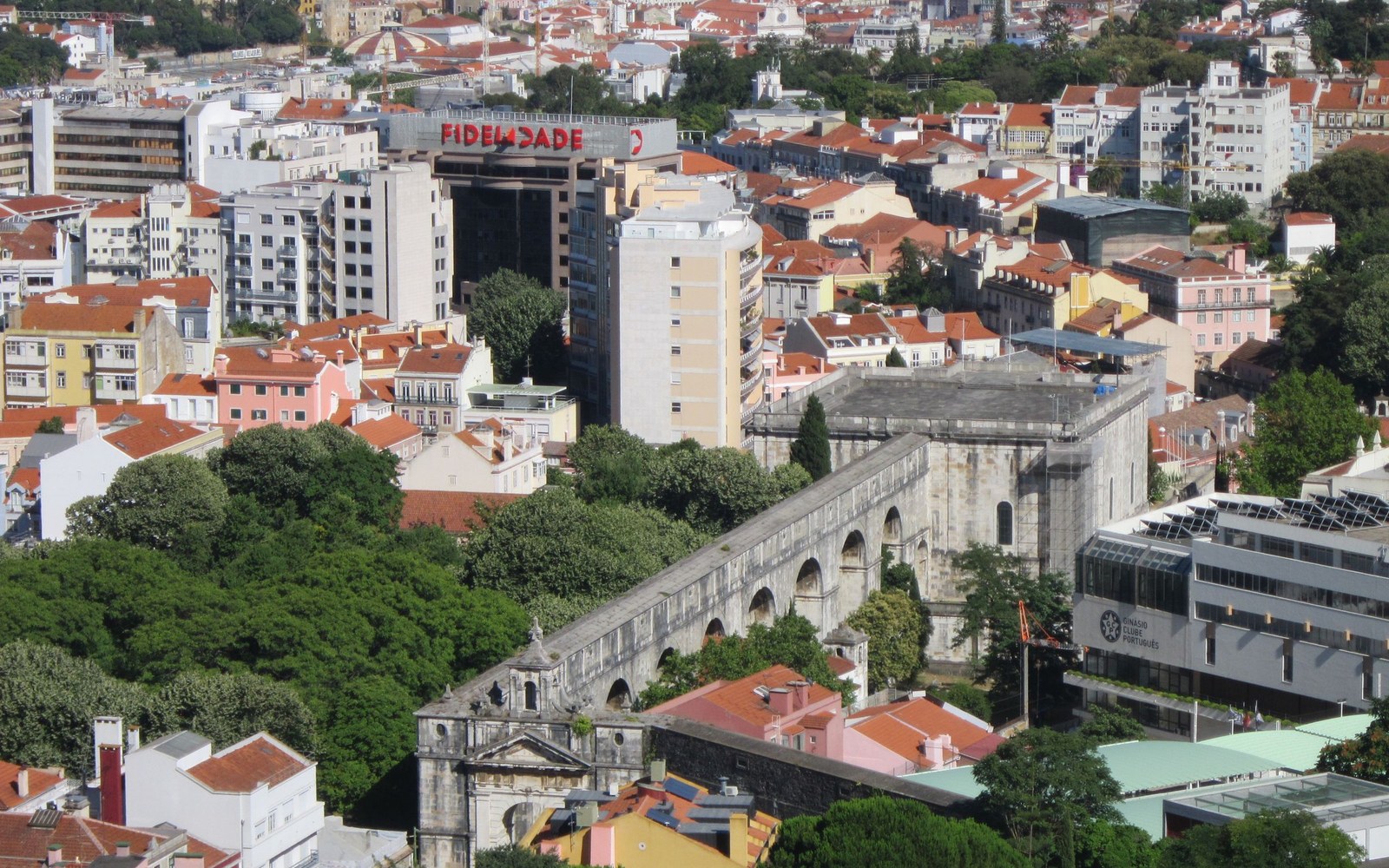
Santos works best on foot, but not as a checklist neighbourhood. This is an area where the transitions matter: riverfront to backstreets, museum to café stop, garden to theatre.
It also makes sense to combine Santos with nearby areas instead of treating it as a full-day sightseeing zone on its own. You can easily connect it with Estrela, Cais do Sodré or a meal-focused route such as where to eat in Lisbon.
Final thoughts
Santos is not the most obvious part of Lisbon for first-time visitors, which is exactly why it is worth your time. It gives you a mix that many neighbourhoods do not: major museums, real local history, creative energy and just enough nightlife memory to keep things interesting.
It may not shout for attention in the same way as Alfama or Belém, but it has depth. And in Lisbon, depth usually wins.
FAQ
1. Is Santos worth visiting in Lisbon?
Yes. Santos is worth visiting if you want a neighbourhood that combines museums, historic streets, local atmosphere and a softer nightlife edge without feeling as crowded as some of Lisbon’s better-known areas.
2. What is the most famous place in Santos Lisbon?
The most famous place in Santos is usually the National Museum of Ancient Art, which is one of Portugal’s most important museums.
3. Is Santos a good area for nightlife?
Yes, although it is quieter than in past years. Plateau remains one of the neighbourhood’s best-known nightlife spots, and Santos still carries that identity even if it is no longer Lisbon’s main late-night hub.
4. How long do you need to explore Santos?
Around half a day is usually enough to see the main places at a comfortable pace. Stay longer if you want to visit museums properly, have lunch, or catch an evening performance.
5. Is Santos good for families?
Yes. The Puppet Museum, the garden spaces and the calmer daytime atmosphere make Santos a good option for families, especially if you want a more relaxed cultural area.
Continue planning with our guides to Lisbon neighbourhoods and Lisbon street parties in June.
For accommodation nearby, compare our best hotels in Santos.

Rafael Rocha
The Author
Having lived and studied in Lisbon for many years, a deep connection to the city grew naturally over time. Here I share practical guides and local recommendations to help you experience Lisbon better.
Buy me a coffee



Related Articles

Aug 25, 2026
Plan a visit to Parque das Nações in Lisbon, including the Oceanário, cable car, riverfront gardens, Oriente station and family-friendly tips.

Aug 22, 2026
Cross the Tagus to Cacilhas for river views, seafood, Cristo Rei and the Ginjal waterfront. Plan the ferry, route and best things to do.
Dec 24, 2025
Discover the best neighbourhoods in Lisbon, from Baixa and Chiado to Alfama, Belém and Príncipe Real, with practical tips on what each area suits best.