Parque das Nações Lisbon Guide: What to See & Do
Plan a visit to Parque das Nações in Lisbon, including the Oceanário, cable car, riverfront gardens, Oriente station and family-friendly tips.
Parque das Nações is Lisbon's modern riverfront district, built around the former Expo 98 site. It feels very different from Alfama or Baixa: streets are flatter, architecture is contemporary and the Tagus promenade has space for walking, cycling and family activities.
The area is worth visiting for the Oceanário, cable car, riverside gardens and modern architecture. It also works well on a first or last day because Oriente station is connected to the airport by the Red metro line.
Is Parque das Nações worth visiting?
Yes, especially for families, aquarium visitors and travellers who want a relaxed riverfront walk. It is not a substitute for historic Lisbon, but it provides a useful contrast and is one of the city's easiest areas for pushchairs and reduced-mobility visitors.
Allow half a day if the Oceanário is your main activity. Without the aquarium, two to three hours is enough for the promenade, gardens, cable car and a meal.
1. Visit Oceanário de Lisboa
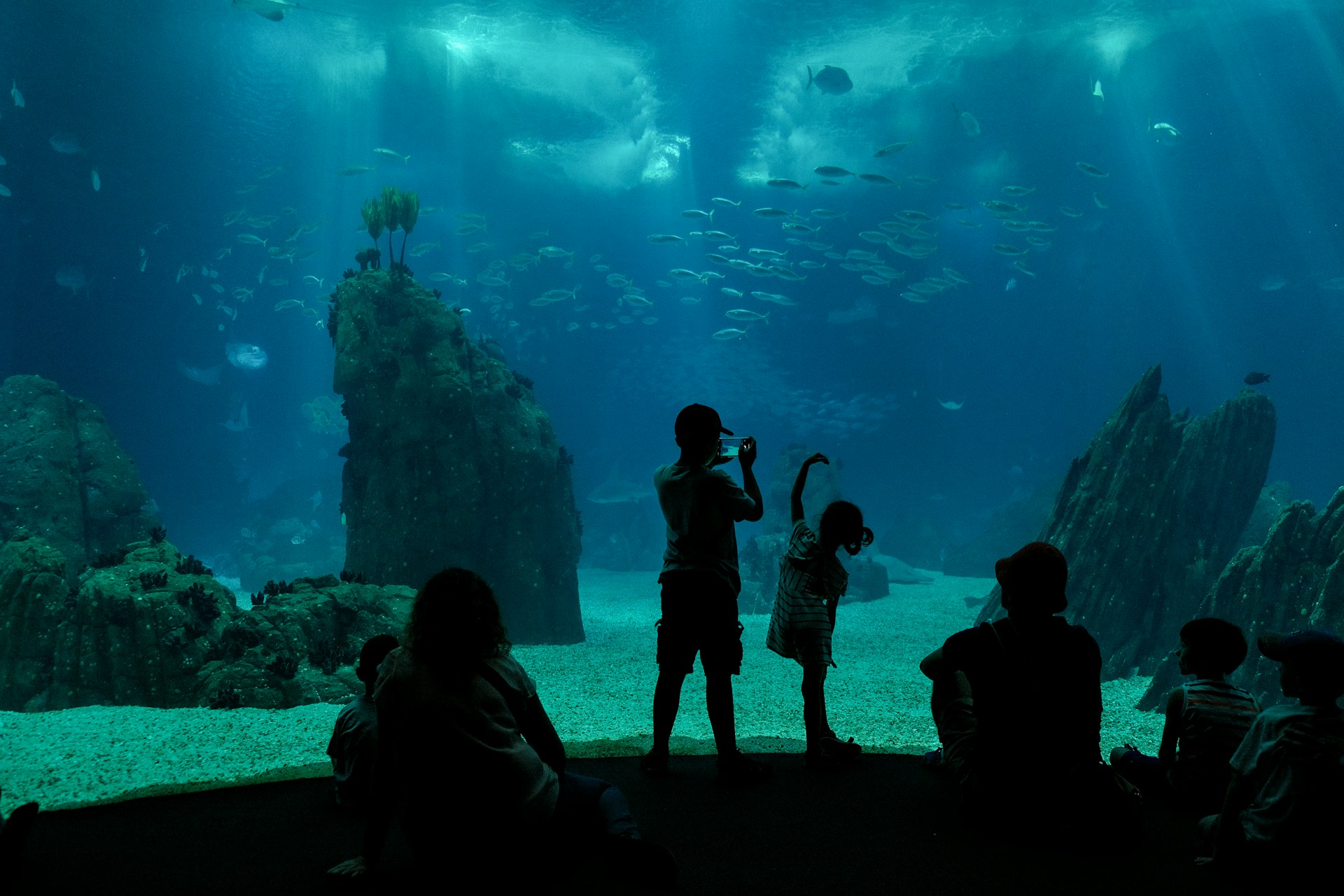
The Oceanário is the district's main attraction. Its route circles a large central tank and connects marine habitats through a clear, family-friendly visit. The official visitor information recommends roughly 90 minutes to two hours, though many families stay longer.
Read our Oceanário de Lisboa guide or check Oceanário ticket availability. Compare the final price and conditions for your date before booking.
2. Walk the Tagus riverfront
The promenade is the simplest free activity in Parque das Nações. Start near the Oceanário and continue north toward the Vasco da Gama Tower, with broad views of the river, bridge and landscaped public spaces. Visit Lisboa describes the district's gardens as a connected series running from water gardens and Jardim das Ondas to Jardins Garcia d'Orta and Parque Tejo.
Morning and late afternoon are more comfortable in hot weather because parts of the waterfront have limited shade. The flat paving makes this walk easier than most central Lisbon routes.
3. Ride the Lisbon cable car
The Telecabine runs above the waterfront and provides a panoramic view over the former Expo site and Tagus estuary. It is a short experience rather than a transport necessity. Read whether the Lisbon cable car is worth it before adding it to your budget.
4. Look at the Expo 98 architecture
The district's architecture includes Oriente station, the Portuguese Pavilion, the Oceanário complex and the long visual axis of Alameda dos Oceanos. Oriente is more than a transport interchange: its structure and public art make it worth a closer look when you arrive.
5. Use the gardens and family spaces
Water features, playgrounds and open lawns make Parque das Nações a practical break from dense sightseeing. Families can combine the aquarium with an outdoor pause instead of scheduling another indoor attraction. Our Lisbon with kids guide has more options for mixed-weather days.
How to get to Parque das Nações
Take the Red metro line to Oriente. The station also serves national and suburban trains and numerous buses. From Oriente, it is a straightforward walk through or around the Vasco da Gama shopping centre toward the waterfront and Oceanário.
The official Oceanário page lists Oriente as the nearest metro station. Check live service information before travelling, especially during engineering works or disruptions.
Where to eat
Restaurants cluster around the waterfront, shopping centre and streets north of Oriente. Convenience is the district's strength, but waterside venues can be busy at weekends and event times. If food is your main priority, central neighbourhoods offer more character; in Parque das Nações, choose based on location and current reviews.
Is Parque das Nações a good place to stay?
It suits airport stopovers, business trips, arena events and families prioritising modern hotels, flat streets and transport connections. First-time visitors focused on historic atmosphere may prefer Baixa, Chiado or Alfama. The trade-off is a longer metro journey to the old centre.
FAQ - Parque das Nações Lisbon guide
How long do you need in Parque das Nações?
Plan half a day with the Oceanário or two to three hours for the waterfront, gardens and cable car without it.
Is Parque das Nações free to visit?
The district, promenade and public gardens are free. The Oceanário, cable car and other ticketed attractions cost extra.
Which metro goes to Parque das Nações?
Use the Red line to Oriente station.
Is Parque das Nações good for children?
Yes. The Oceanário, flat paths, open spaces and family facilities make it one of Lisbon's easiest districts with children.

Rafael Rocha
The Author
Having lived and studied in Lisbon for many years, a deep connection to the city grew naturally over time. Here I share practical guides and local recommendations to help you experience Lisbon better.
Buy me a coffee


Related Articles

Aug 22, 2026
Cross the Tagus to Cacilhas for river views, seafood, Cristo Rei and the Ginjal waterfront. Plan the ferry, route and best things to do.

Feb 6, 2026
Discover 10 must-see places to visit in Santos, Lisbon, from top museums and historic streets to gardens, culture and local nightlife spots.

Dec 24, 2025
Discover the best neighbourhoods in Lisbon, from Baixa and Chiado to Alfama, Belém and Príncipe Real, with practical tips on what each area suits best.