Accessible Lisbon Guide: Wheelchair Travel & Practical Tips
Plan an accessible Lisbon trip with honest advice on hills, pavements, wheelchair-friendly areas, transport, attractions, hotels and practical help.

Lisbon can be visited with a wheelchair or reduced mobility, but successful trips depend on route planning. The city has increasingly accessible public transport and several modern, step-free attractions, while steep hills, polished cobbles, narrow pavements and broken lifts can still create serious obstacles.
This accessible Lisbon guide gives a realistic overview of the easiest areas, public transport, wheelchair-friendly attractions and practical planning. Accessibility needs are individual, so confirm details directly with transport operators, venues and accommodation when a particular measurement or service is essential.
Is Lisbon wheelchair accessible?
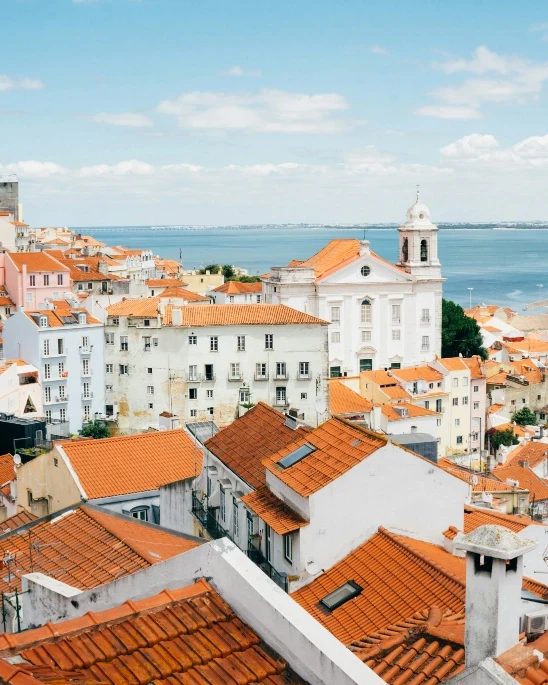
Lisbon is partly accessible rather than uniformly accessible. Modern areas such as Parque das Nações and many streets around Baixa and the riverfront are comparatively easy to navigate. Historic districts such as Alfama, Graça and Bairro Alto have steep gradients, steps, narrow pavements and uneven calçada portuguesa.
The most effective strategy is to choose a relatively level base, group attractions by accessible transport links and avoid planning routes solely by distance. A destination that looks close on a map may involve a steep street, inaccessible shortcut or metro station without a working lift.
Best areas to stay or explore with reduced mobility
Parque das Nações
Parque das Nações is Lisbon’s easiest major visitor area for step-free movement. It has broad promenades, modern paving, accessible Oriente transport connections and several adapted attractions. The waterfront is mostly level, although wooden boardwalks and occasional surface changes still require attention.
The area is farther from the historic centre, but it can be an excellent accommodation base when dependable access matters more than traditional neighbourhood atmosphere. The Lisbon Oceanarium, riverside cable car and Pavilhão do Conhecimento are nearby.
Baixa and Praça do Comércio
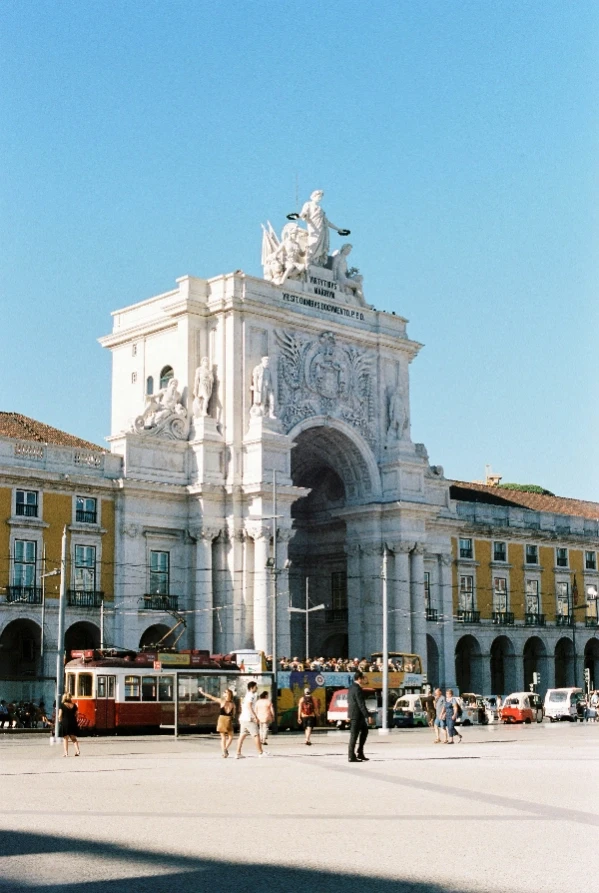
Baixa is relatively flat by Lisbon standards. Rua Augusta is pedestrianised, and Praça do Comércio connects to the accessible Ribeira das Naus promenade. Dropped kerbs are common, but restaurant terraces, delivery vehicles and polished stone can narrow otherwise usable routes.
Baixa is a practical central base because it offers shops, restaurants and transport without requiring a hill every time you leave the hotel. Use our guide to Baixa-Chiado to identify nearby landmarks, then verify the exact step-free entrance for each venue.
Belém
Belém has several accessible museums and broad garden areas, but the district is divided by roads and the railway. Some crossings towards the river rely on stairs, and the calçada around tram tracks can be rough. Plan individual segments instead of assuming that every nearby attraction connects step-free.
Jerónimos Monastery provides accessible ground-floor circulation, tactile routes, Braille information and audio support according to Portugal’s official accessible itinerary. CCB and the interior of MAAT are also presented as accessible, while Belém Tower and the Monument to the Discoveries have major limitations. See what to visit in Belém for the broader area.
Avenidas Novas
The broad avenues around Saldanha, Campo Pequeno and São Sebastião generally offer a more manageable base than the medieval districts. Pavements are wider, gradients are gentler and the area has modern hotels, shopping centres and metro connections. Always confirm the exact accessible route between street and platform.
Areas that require more planning
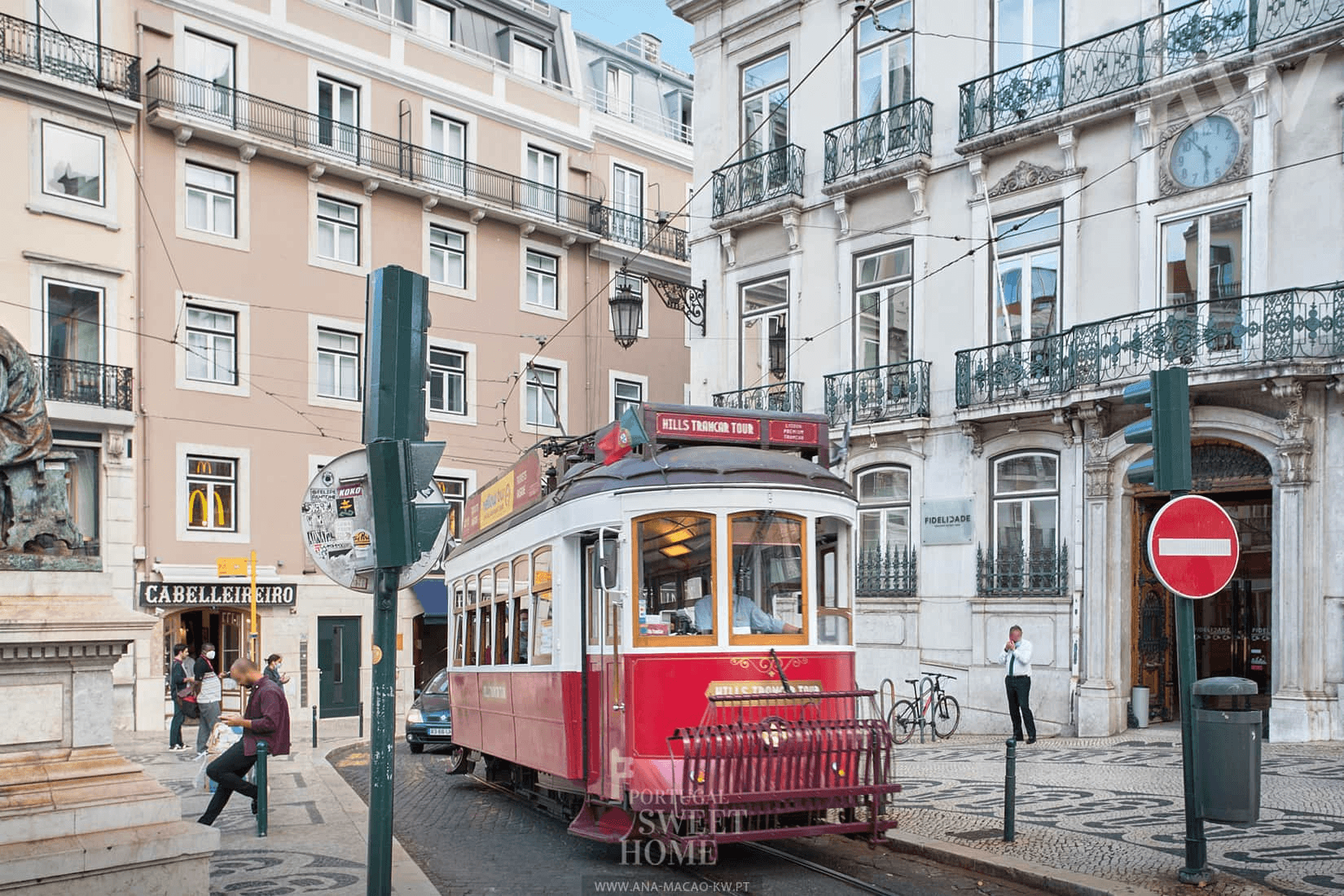
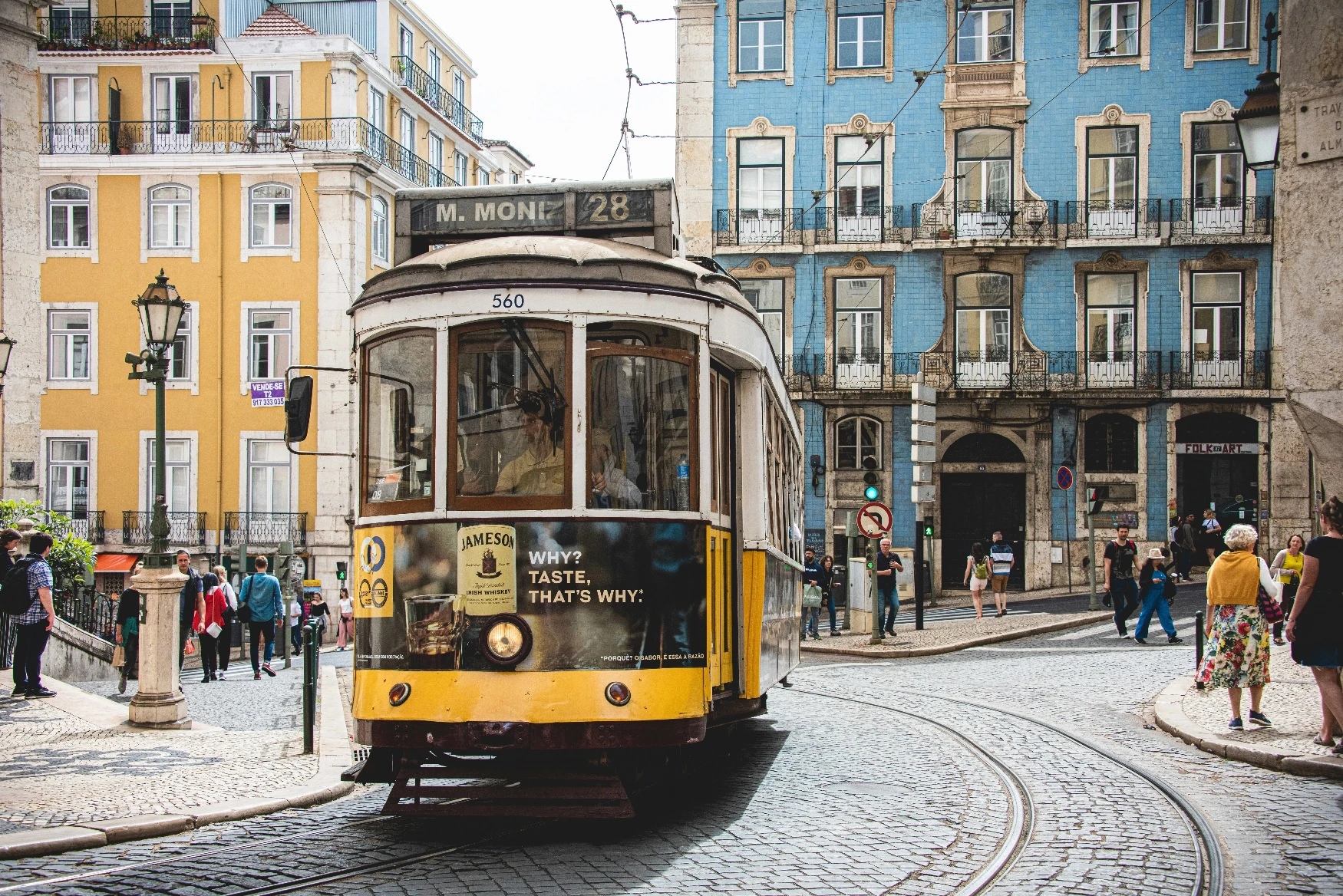
Alfama, Mouraria, Graça and parts of Bairro Alto are beautiful but challenging. Expect steep slopes, steps, narrow pavements, parked vehicles and irregular stone. Historic tram 28 is not a reliable wheelchair option, and small buses serving the hills may not always be adapted.
That does not mean these districts are completely out of reach. Accessible vehicles can reach selected viewpoints, and the public lifts from Rua dos Fanqueiros towards Castelo help reduce part of the climb. The remaining route can still include gradients and uneven surfaces, so plan conservatively and allow extra time.
Accessible public transport in Lisbon
Lisbon Metro
Accessibility in the Metro has improved substantially. In July 2026, Metro Lisboa reported that 47 of its 56 stations had full accessibility, representing 84% of the network. A fully accessible station should provide lifts between street, concourse and platforms, but a single out-of-service lift can break the route.
Check the official Metro accessibility diagram and the live status of lifts before every important journey. Metro Lisboa specifically advises passengers with reduced mobility to confirm both origin and destination stations and contact staff when assistance is required. Our Lisbon metro map guide explains the network in more detail.
Buses and trams
Carris reports that around 90% of its buses have a low floor and more than 73% of the fleet has full reduced-mobility equipment, including a wheelchair space and access ramp. Vehicle allocation changes, however, so an accessible bus is not guaranteed on every departure.
Modern trams used on route 15E are the most suitable tram option, but mixed operations and service changes mean it is wise to verify before travelling. The classic trams on routes such as 28E have high steps and limited space and should not be treated as accessible transport.
Trains and ferries
Accessibility differs by railway station, train type and boarding arrangement. If you plan a day trip, contact CP in advance to confirm assistance and the exact stations involved. Ferry terminals on the Tagus may have adapted facilities, but tides, ramps and vessel changes can affect boarding conditions.
For a typical city trip, buses and verified accessible Metro stations are usually easier to plan than historic trams. Read our complete guide to public transport in Lisbon and allow a backup route.
Taxis and private transfers
An adapted taxi or pre-booked wheelchair-accessible transfer can remove much of the uncertainty around hills, airport arrivals and evening journeys. Request the vehicle in advance and state the wheelchair type, whether the passenger remains seated, the combined weight and any ramp or lift requirements.
Standard rideshare vehicles should not be assumed to carry a non-folding wheelchair. For arrival options from the airport, compare public and private transport in our guide to Lisbon Airport to the city centre.
Wheelchair-friendly attractions in Lisbon
Oceanário de Lisboa and Parque das Nações
The Oceanário was designed with accessibility in mind and is one of the easiest major attractions to navigate. Portugal’s accessible tourism itinerary describes the building as fully adapted and notes multilingual audio equipment, visitor assistance and a tactile experience. The nearby Pavilhão do Conhecimento has wide, obstacle-free interiors and accessibility resources.
MAAT and Centro Cultural de Belém
MAAT’s museum interiors are accessible, although the surrounding riverside surfaces and railway crossings need planning. Centro Cultural de Belém is another strong option, with modern circulation, cultural spaces and accessible facilities. Contact each venue if you need exact ramp gradients, wheelchair availability or seating arrangements.
Jerónimos Monastery
The principal ground-floor spaces at Jerónimos Monastery are designed to support accessible visits, including the church and cloister. Tactile routes, Braille information and audio support are available according to the official itinerary. Temporary restrictions, conservation work or religious services may change circulation.
Lisboa Story Centre and Praça do Comércio
Lisboa Story Centre is housed in an adapted building on Praça do Comércio, one of the easiest central squares to reach and navigate. It pairs well with the level riverfront route along Ribeira das Naus. The terrace at the top of Rua Augusta Arch is not wheelchair accessible because of its final narrow staircase.
Gulbenkian and Estufa Fria
Gulbenkian’s modern buildings and garden provide lifts, ramps and accessible toilets in key visitor areas. Estufa Fria is marked by Lisbon City Council for reduced mobility, though natural gradients and secondary paths may vary. Both work well for a quieter day away from crowded historic streets.
Choosing accessible accommodation
Do not rely only on an ‘accessible room’ filter. Ask for the entrance threshold, lift dimensions, door width, bed height, turning space, shower type, grab rails and the route from reception to the room. Confirm whether breakfast, rooftop areas and other facilities are served by the same lift.
The street outside matters as much as the room. Check gradients, kerbs and the step-free route to transport. A central hotel on a steep street can be harder than a slightly more distant hotel near an accessible Metro station. Browse our where to stay in Lisbon guides and use verified Booking.com accessibility details before reserving.
Practical accessibility tips
Build extra time into every journey and save a second route on your phone. Check lift status before leaving, especially for airport travel or timed tickets. Avoid the smoothest-looking sections of Portuguese pavement when wet, as polished stones can become slippery.
Contact attractions in writing when a detail is essential and keep the reply available during the visit. Ask whether a companion ticket, priority entrance, accessible toilet, loan wheelchair, induction loop, audio description or sign-language service is available. Services and eligibility rules differ by venue.
Portugal’s official Lisbon accessible itinerary provides route-specific observations, while the Tur4all accessible tourism platform can help identify facilities across Portugal. Reconfirm recent conditions, as street works and equipment outages change quickly.
FAQ - Accessible Lisbon Guide
Is Lisbon suitable for wheelchair users?
Yes, with careful planning. Modern areas, many museums and most of the Metro network are accessible, but hills, cobbles and historic transport make some routes difficult or impossible without assistance.
What is the most accessible area of Lisbon?
Parque das Nações is generally the easiest visitor area because it is modern, relatively level and served by accessible transport and attractions. Baixa and Praça do Comércio are the strongest central alternatives.
Is tram 28 wheelchair accessible?
The classic vehicles normally used on tram 28 have high steps and very limited interior space, so they should not be considered wheelchair accessible. Modern trams on route 15E are a better option, subject to the vehicle operating that service.
Is Lisbon Metro wheelchair accessible?
Most, but not all, stations are fully accessible. Metro Lisboa reported 47 of 56 stations with full accessibility in July 2026. Always verify both stations and the live status of every required lift.
Are Lisbon’s main attractions accessible?
Several are, including Oceanário, Pavilhão do Conhecimento, CCB, MAAT’s interiors and Lisboa Story Centre. Historic monuments vary significantly: accessible ground-floor spaces may coexist with towers, terraces or routes that remain inaccessible.

Rafael Rocha
The Author
Having lived and studied in Lisbon for many years, a deep connection to the city grew naturally over time. Here I share practical guides and local recommendations to help you experience Lisbon better.
Buy me a coffee