Best museums in Lisbon: 12 worth your time
Discover the best museums in Lisbon for art, history, fado, tiles, design and families, with practical advice for choosing the right ones.

Lisbon’s best museums cover far more than traditional painting. You can explore royal coaches, fado recordings, Portuguese tiles, contemporary architecture, global decorative arts and the history of resistance to dictatorship. The challenge is deciding which ones deserve space in a short trip.
This guide prioritises museums that offer a strong collection, a distinctive Lisbon story or an experience difficult to find elsewhere. Opening arrangements change, and institutions sometimes close galleries for renovation, so confirm current information before travelling.
Quick shortlist
Best for historic art: National Museum of Ancient Art
Best uniquely Portuguese collection: National Coach Museum
Best for music: Fado Museum
Best for modern art and gardens: Gulbenkian
Best for architecture and the riverfront: MAAT
Best for families: Oceanário de Lisboa
1. National Museum of Ancient Art
Current status: the MNAA is closed for renovation works, with no reopening date listed on the official page. Check before planning a visit.
The MNAA is the city’s essential museum for historic Portuguese art. Its Saint Vincent Panels and Bosch triptych are headline works, but the collection’s real strength is its combination of painting, sculpture, goldwork, textiles, ceramics and objects created through Portugal’s connections with Africa and Asia.
Allow two to three hours and leave time for the Tagus-view garden when accessible. Check the official National Museum of Ancient Art page for current opening information before visiting.
2. National Coach Museum
Belém’s National Coach Museum turns royal ceremony into a spectacular visual collection. Monumental gilded coaches, painted panels, sedan chairs and travel equipment show how power was displayed on the move. The modern gallery is spacious and surprisingly accessible for visitors who do not usually enjoy museums.
Plan 60 to 90 minutes. You can reserve a Coach Museum e-ticket with audio guide or consult the official National Coach Museum page for current visitor information.
3. Fado Museum
The Fado Museum is the cultural anchor of an Alfama visit. Recordings, instruments, photographs and personal histories explain how the music developed and why the Portuguese guitar sounds so distinctive. Visit before attending a concert so the conventions and emotional vocabulary of the performance make more sense.
Allow around an hour to ninety minutes. See the detailed Fado Museum Lisbon guide or consider a guided fado history experience that connects the museum with the wider city.

4. Calouste Gulbenkian Museum and CAM
The Gulbenkian complex combines an exceptional private collection, modern art and some of Lisbon’s most pleasant museum gardens. The founder’s collection ranges across Egyptian, Islamic, Asian and European art, while CAM focuses on modern and contemporary work. Even visitors with limited interest in galleries may enjoy the calm landscape and architecture.
Check which buildings and exhibitions are open, as the campus has undergone major changes. This is the best museum choice for a slow cultural afternoon away from the historic centre.
5. MAAT
MAAT is as much about its riverside setting and architecture as its exhibitions. The low, curving contemporary building has become a Belém landmark, while the neighbouring power station adds industrial scale and history. Programming changes frequently, so look at the current exhibitions before paying rather than assuming the interior always matches the famous exterior.
Combine it with a riverside walk, the Coach Museum or other stops from our Belém guide.
6. National Tile Museum
The National Tile Museum traces the development of azulejos from early imported techniques to the blue-and-white panels associated with Portugal. Its convent setting and large panoramic view of pre-earthquake Lisbon are major highlights. It is one of the most specifically Portuguese museums in the city.
Renovation or temporary closure can affect access, so verify the current status before making a special journey. When open, allow at least ninety minutes because the location is outside the simplest central sightseeing circuit.
7. Museum of Lisbon
The Museum of Lisbon operates across several sites rather than one building. Palácio Pimenta provides the broadest introduction to the city’s development, while other locations focus on archaeology, Saint Anthony or Roman remains. Choose the branch that matches your interests instead of trying to treat the network as one attraction.
Palácio Pimenta is especially useful for travellers who want to understand how Lisbon changed before and after the 1755 earthquake.
8. Carmo Archaeological Museum
The roofless Carmo Convent is the attraction here as much as the archaeological collection. Gothic arches open to the sky, preserving a visible reminder of the 1755 earthquake. It is central, photogenic and easy to fit between Chiado, Rossio and the Santa Justa area.
This is a shorter museum stop than the MNAA or Gulbenkian. Visit for architecture and atmosphere, then continue through the historic centre.
9. Museu da Marioneta
The Puppet Museum is a smaller, appealing alternative to Lisbon’s major institutions. Its collection covers Portuguese puppetry alongside traditions from other countries, making it visual enough for families and manageable in about an hour. It also gives visitors a reason to explore the quieter streets around Madragoa.
Choose it when you want something intimate and unexpected rather than another monumental attraction.
10. Oceanário de Lisboa
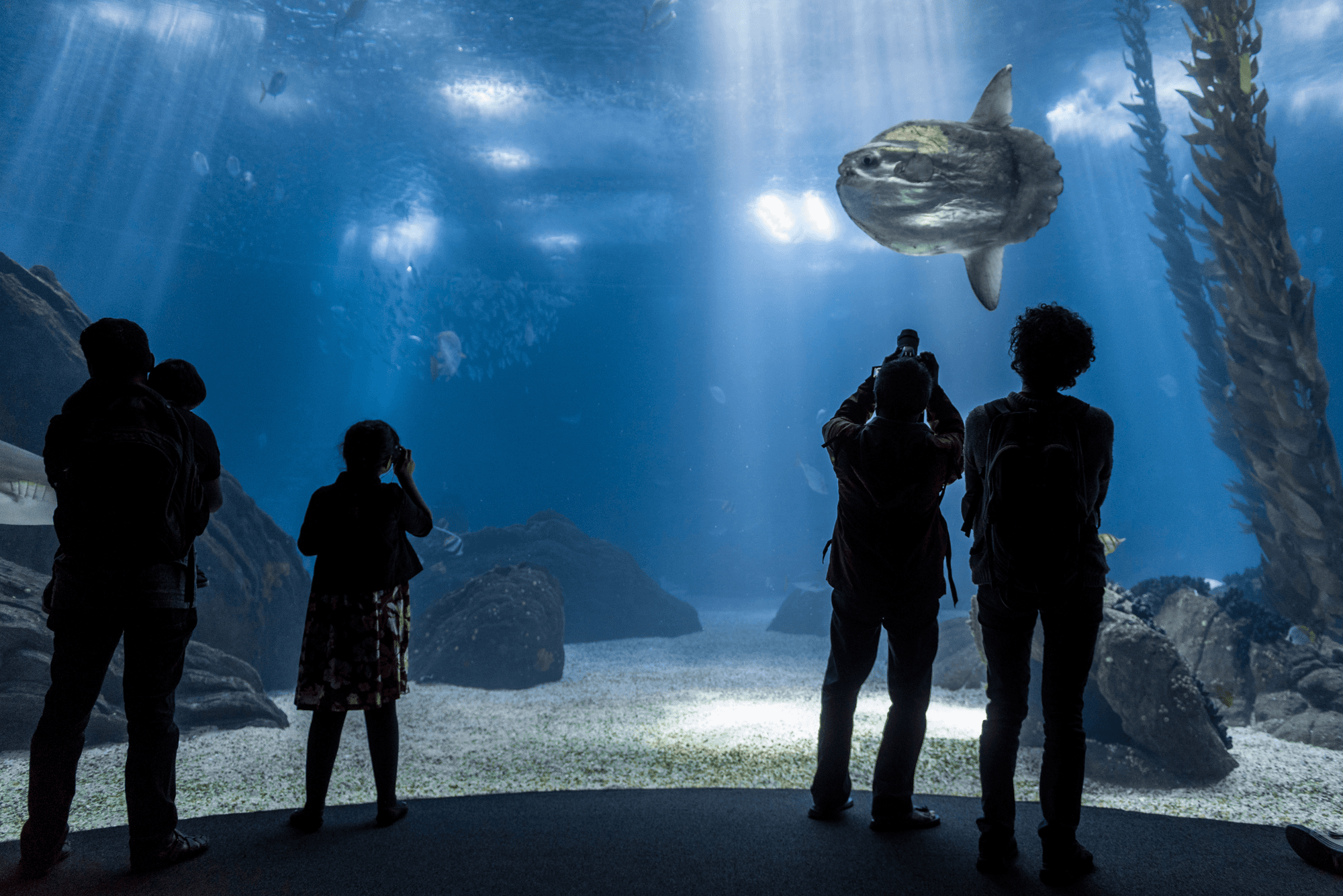
Technically an aquarium rather than a conventional museum, the Oceanário is one of Lisbon’s strongest educational attractions. Its central ocean tank and carefully designed habitats work especially well for families, wet-weather days and travellers staying near Parque das Nações.
It requires a separate trip from the historic centre, so reserve at least half a day including transport. For more family planning, use our guide to Lisbon with kids.
How to choose the right museums
For a first visit, select one large museum and one smaller specialist museum. Pair the MNAA with the Fado Museum for art and local culture, or combine the Coach Museum with MAAT in Belém. Trying to visit four major collections in one day usually produces fatigue rather than insight.
Compare admission with the Lisboa Card if your itinerary includes transport and several participating attractions. Our guide to free museums in Lisbon also explains resident rules and limited free-entry periods.
FAQ - Best museums in Lisbon
What is the best museum in Lisbon?
For historic art, choose the National Museum of Ancient Art. For a collection unique to Lisbon, the National Coach Museum is the strongest first choice.
Which Lisbon museum is best for children?
The Oceanário is the most reliable family option. The Coach Museum and Puppet Museum are good alternatives for children who prefer shorter, highly visual visits.
Are Lisbon museums closed on Mondays?
Many national museums close on Monday, but the rule is not universal. Always check the official page for the specific institution and date.
How many museums can you visit in one day?
Two substantial museums are normally enough. Combine nearby institutions and leave time for meals, gardens and transport rather than turning the day into a checklist.

Rafael Rocha
The Author
Having lived and studied in Lisbon for many years, a deep connection to the city grew naturally over time. Here I share practical guides and local recommendations to help you experience Lisbon better.
Buy me a coffee