Can you drink tap water in Lisbon?
Traveling to Lisbon and wondering if you can drink the tap water? Find out if it’s safe, what it tastes like and what travelers should know.
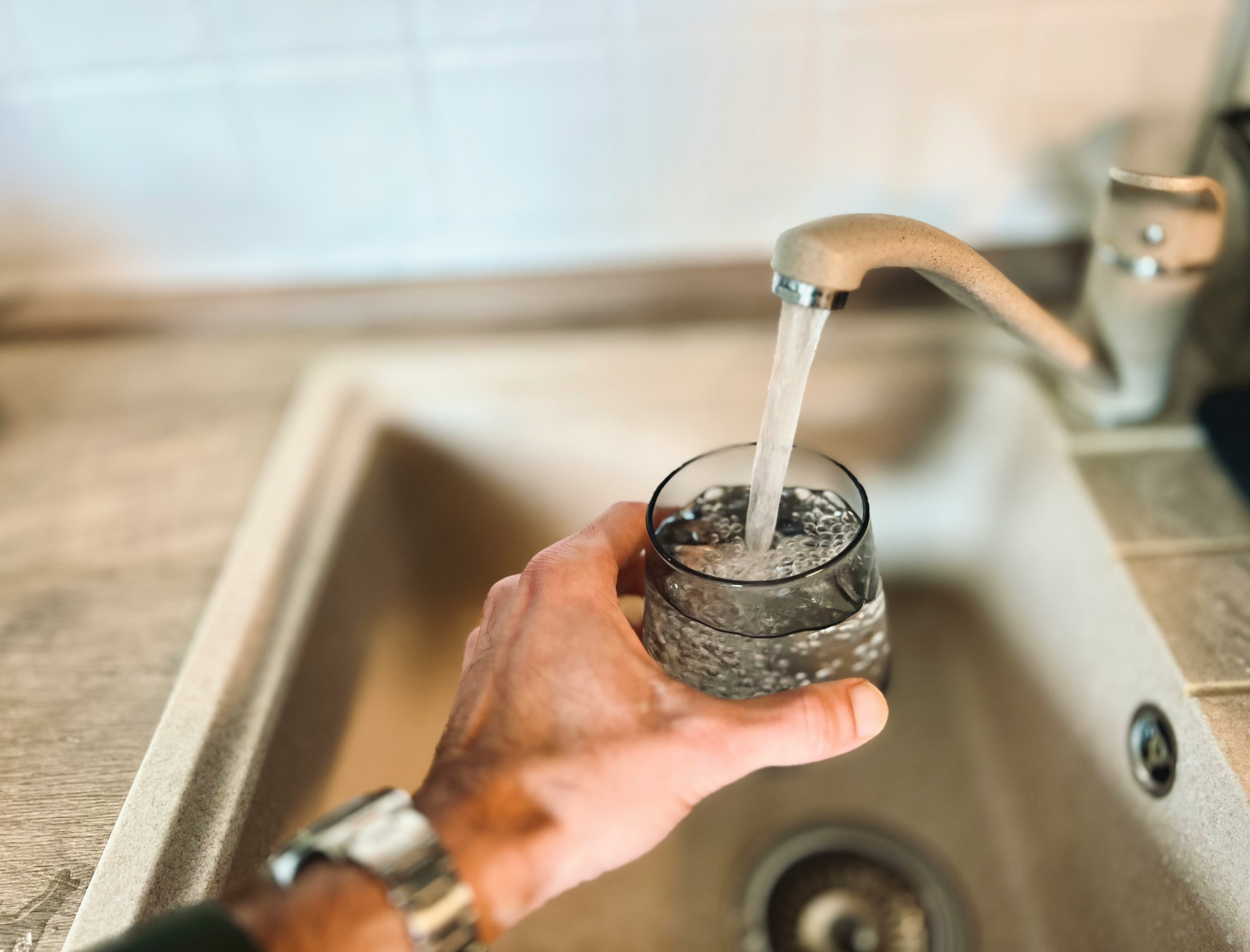
Yes, you can drink tap water in Lisbon. The city's tap water is safe for regular consumption and is monitored under Portuguese drinking-water standards.
For most visitors, there is no need to rely on bottled water. You can drink from the tap, refill a reusable bottle, brush your teeth and use tap water for cooking or making coffee without any special precautions.
Lisbon's water supplier, EPAL, regularly monitors water quality across the city and states that the water supplied in Lisbon is safe for human consumption.
Is Lisbon tap water safe to drink?
Yes. Tap water in Lisbon is safe to drink.
EPAL monitors the city's public water supply through regular testing and quality controls. At national level, Portugal also has very high drinking-water quality standards.
If you're staying in a hotel, hostel, apartment or Airbnb connected to Lisbon's normal public water network, you can generally drink the tap water without concern.
The main exception would be an unusual issue with the plumbing inside a particular building. If the water looks discoloured, has an unexpected smell or your accommodation specifically advises against drinking it, check with your host or hotel.
Why does Lisbon tap water taste different?
Some visitors notice that Lisbon tap water tastes slightly different from the water they drink at home.
This can be caused by differences in mineral composition and the treatment process. Chlorine is also used in controlled quantities to help maintain water quality throughout the distribution network.
A slight chlorine or mineral taste does not mean that the water is unsafe.
If you do not like the taste, filling a bottle or jug and leaving it in the fridge can help. A filtered reusable bottle is another option, although a filter is not necessary for safety.
Can you drink tap water in Lisbon hotels and Airbnbs?
Yes, in normal circumstances.
Hotels, hostels and apartments connected to Lisbon's public water network receive potable water.
You can also use it normally for:
brushing your teeth;
making tea and coffee;
cooking;
washing fruit and vegetables;
filling reusable bottles.
For most travellers, bottled water is therefore a personal preference rather than a necessity.
Do restaurants in Lisbon serve tap water?
You can ask for tap water in Lisbon restaurants, although bottled water is commonly offered instead.
If you specifically want tap water, ask for “água da torneira”.
Do not assume that a bottle placed on your table is free, as restaurants often charge for bottled still or sparkling water.
If you're planning where to eat during your trip, our Lisbon food guide includes practical advice on local food and restaurants.
Should you buy bottled water in Lisbon?
For safety reasons, usually not.
Tap water is widely available and safe, so carrying a reusable bottle is often the easiest option. It also saves money and avoids buying several plastic bottles during your stay.
This is particularly useful in summer. Lisbon involves plenty of walking and steep streets, especially around areas such as Alfama, Graça and Bairro Alto.
During hot days, always carry water with you and refill whenever possible.
Are there drinking fountains in Lisbon?
Yes, there are public drinking fountains and refill points around Lisbon, although they are not available on every street.
Be aware that Lisbon also has many historic and decorative fountains. Not every fountain is designed for drinking, so only use clearly identified drinking-water points.
The easiest option is often simply to refill your bottle at your accommodation before leaving for the day.
Is tap water safe elsewhere in Portugal?
Generally, yes.
Public tap water across mainland Portugal is subject to strict quality controls and is normally safe to drink in destinations such as Porto, Sintra, Cascais and the Algarve.
If you're staying somewhere remote that uses a private well or independent water source, ask the accommodation if you're unsure.
Tap water vs bottled water in Lisbon
For most visitors, the difference is mainly about taste and convenience.
Tap water is safe, cheap and produces less plastic waste.
Bottled water is widely available and may be preferable if you dislike the taste of local tap water or need something while sightseeing.
There is no health-related reason for most visitors to drink bottled water exclusively.
So, can you drink tap water in Lisbon?
Yes. Lisbon tap water is safe to drink, so most travellers do not need to buy bottled water throughout their stay.
Bring a reusable bottle, refill it before heading out and keep it with you while exploring the city, especially during warmer months.
For more practical trip planning, see our guides to using public transport in Lisbon and whether Lisbon is safe for tourists.
FAQ about tap water in Lisbon
Can tourists drink tap water in Lisbon?
Yes. Lisbon tap water is safe for tourists and regularly monitored under Portuguese drinking-water regulations.
Does Lisbon tap water contain chlorine?
Chlorine is used as part of the water-treatment process in controlled quantities to help maintain microbiological safety.
Why does Lisbon tap water taste strange?
Its mineral composition and treatment may be different from what you are used to at home. A different taste does not mean the water is unsafe.
Can I refill my water bottle in Lisbon?
Yes. You can refill it from the tap at your accommodation and at designated drinking fountains around the city.
Do I need a water filter in Lisbon?
No. A filter is not needed to make Lisbon tap water safe to drink, although some travellers use one because they prefer the taste.

Rafael Rocha
The Author
Having lived and studied in Lisbon for many years, a deep connection to the city grew naturally over time. Here I share practical guides and local recommendations to help you experience Lisbon better.
Buy me a coffee