15 Fun and Unusual Things to Do in Lisbon (2026)
Find fun and unusual things to do in Lisbon, from tile workshops and food experiences to ferries, markets, river trips, nightlife and seasonal events.
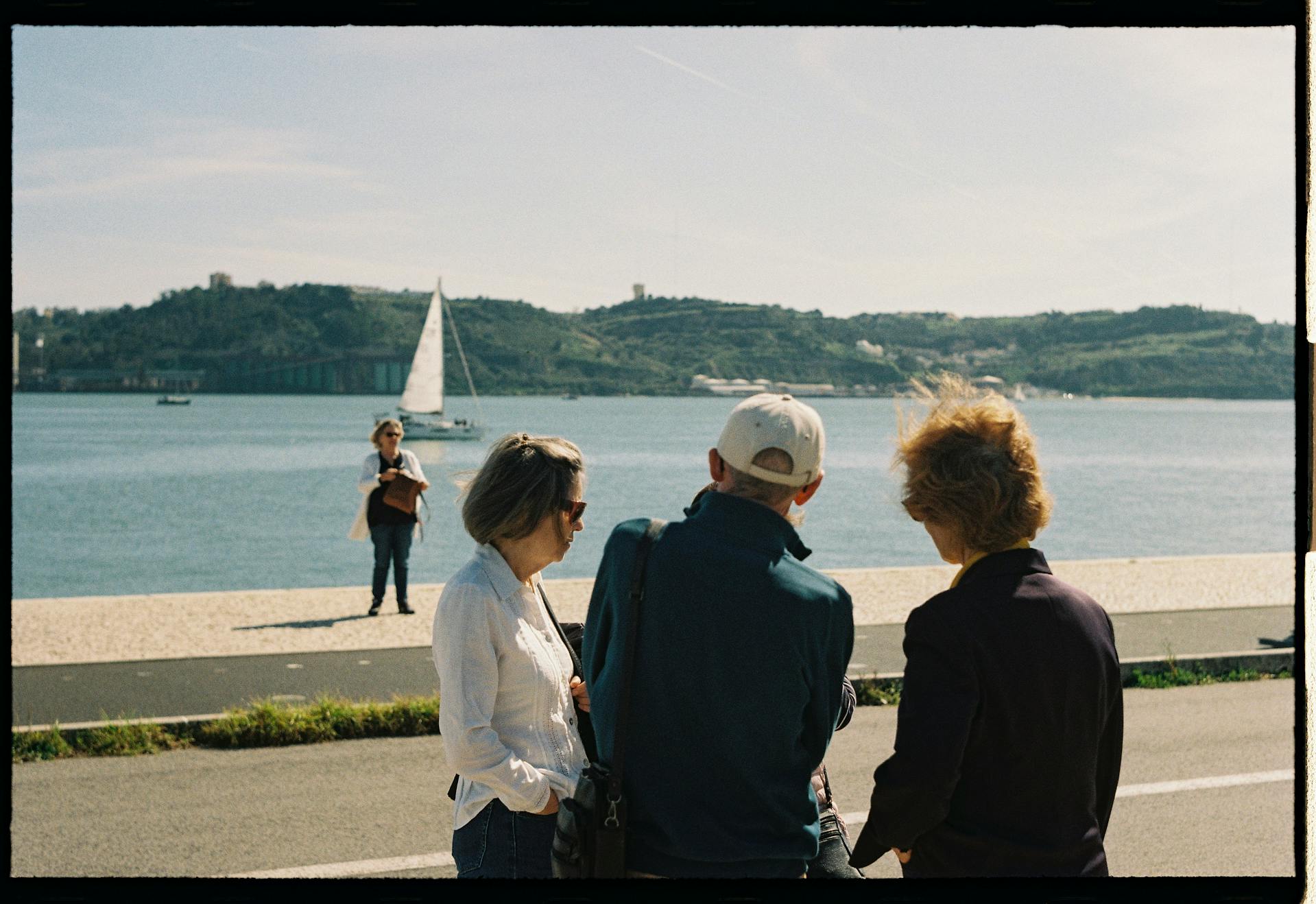
Lisbon is easy to enjoy, but it helps to know how to shape your time. The city has big landmarks, old neighbourhoods, river views, food worth planning around, beaches nearby and enough small discoveries to fill far more than one weekend.
In this article, you’ll find a practical guide to fun things to do in Lisbon, from classic sights and viewpoints to food, fado, trams, street art, river cruises, markets, nightlife and seasonal events. Some activities are obvious for a first trip. Others are better if you want Lisbon to feel less like a checklist and more like a city you actually experienced.
Experience | Best for | When | Book? |
|---|---|---|---|
Creative travellers | Daytime | Usually | |
Food tour or tasting route | Food lovers | Lunch or evening | Recommended |
Tagus ferry or river trip | Views | Afternoon | Depends |
Open-air event | Summer visits | Evening | Check programme |
Surf or beach trip | Active day out | Full day | For lessons |
Watch sunset from a Lisbon miradouro
Lisbon’s viewpoints are one of the best free activities in the city. They help you understand the geography before you get lost in the details: the hills, the river, the castle, the red rooftops, the bridge and the way different neighbourhoods fit together.
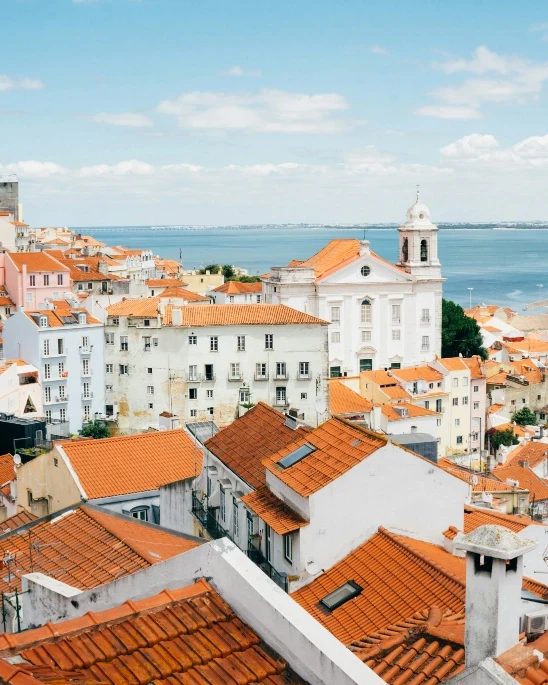
For a classic first view, head to Miradouro de Santa Luzia or Portas do Sol in Alfama. Both overlook the old neighbourhood, the Tagus River and the tiled rooftops that make this part of Lisbon so recognisable.
For a wider city view, Miradouro da Senhora do Monte is one of the strongest options. It takes effort to reach, but the reward is a broad panorama over central Lisbon. Graça is also a good area to explore before or after sunset, especially if you want a slower evening before dinner. For a more detailed local guide, read our article on Miradouro da Graça.
The best way to enjoy a viewpoint is not to rush it. Bring water, arrive before sunset if you want a good spot, and remember that the walk downhill is usually much easier than the walk up.

Join a food tour or build your own tasting route
Food is one of the easiest ways to make Lisbon more enjoyable. Start with a pastel de nata, ideally warm, with cinnamon if you like it. Pastéis de Belém is the famous stop, but you will find good versions across the city.
After that, move beyond pastries. Lisbon is a strong city for seafood, grilled fish, bifanas, tascas, food markets and small local restaurants. You do not need every meal to be ambitious. Some of the best food moments in Lisbon are simple: grilled fish with potatoes, a bifana at the counter, a plate of bacalhau, or a late lunch in a traditional tasca.
If you want a quick and easy food stop, Time Out Market in Cais do Sodré is practical, especially for groups. It is busy and touristy, but useful if everyone wants something different. For a more local meal, tascas are usually better. They are informal, often generous and built around straightforward Portuguese cooking.
For a deeper food plan, start with our guide to where to eat in Lisbon, then choose restaurants by neighbourhood rather than crossing the city for every meal.
Get deliberately lost in Alfama’s lanes
Alfama is one of Lisbon’s most atmospheric neighbourhoods, but it is also easy to experience badly if you rush through it looking only for photo spots.
The best way to enjoy Alfama is to walk slowly. Start near the river, climb gradually through the narrow streets, stop at a viewpoint and let yourself take a few wrong turns. This is not the neighbourhood for a strict route. It works better when you leave space for small squares, tiled façades, staircases and unexpected views.
São Jorge Castle sits above Alfama and is worth considering if you want both history and a strong view. It is not the cheapest attraction in Lisbon, but the setting is excellent and it gives useful context to the city’s older layers.
Alfama is also one of the best areas to hear fado, although you should choose carefully. Avoid places that feel too aggressively tourist-focused and look for smaller venues where the music is treated with respect.
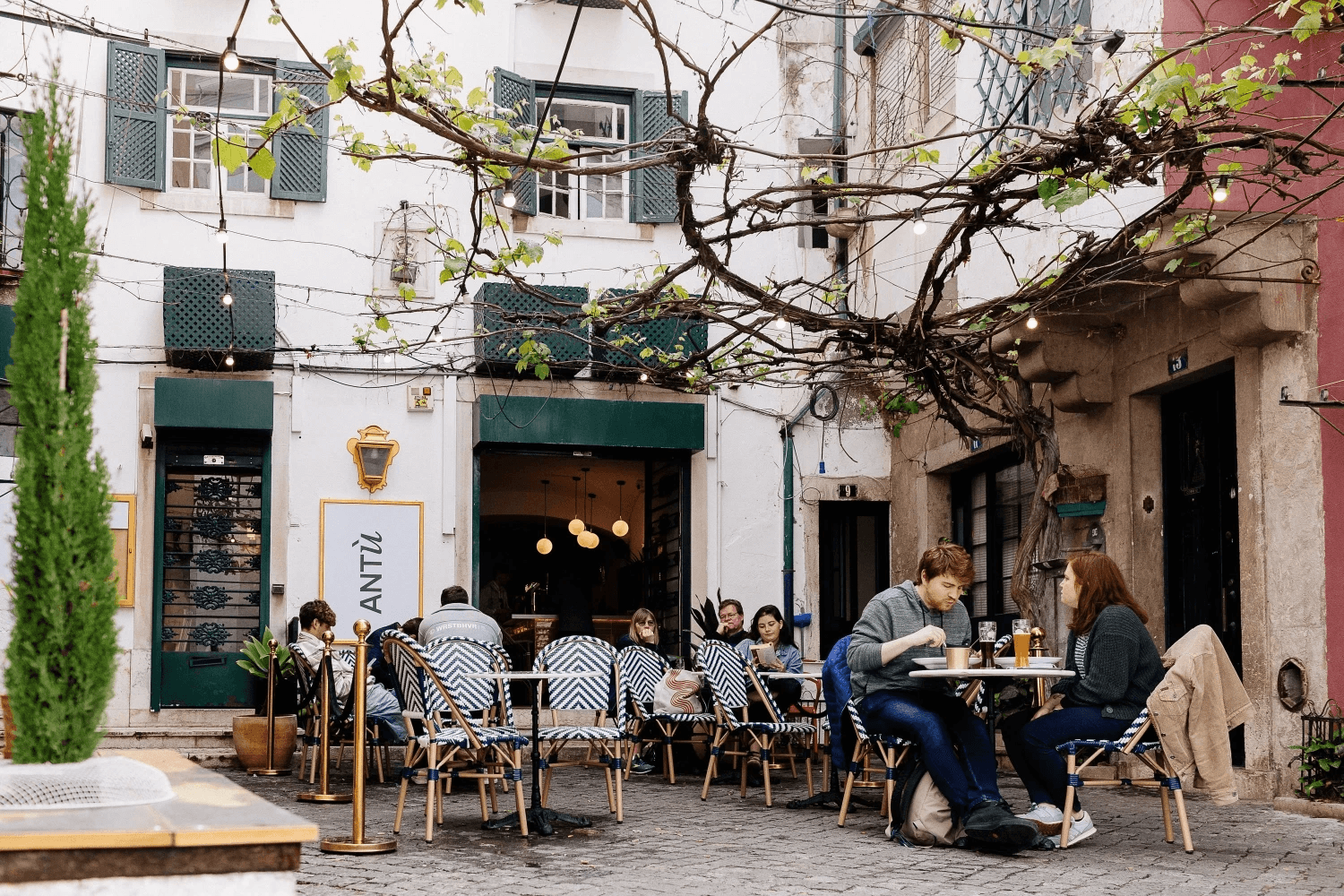
Hear fado in an intimate venue
Fado is one of Lisbon’s most meaningful cultural experiences, but it is not background music. At its best, it is intimate, emotional and quiet enough that the room actually listens.
You can hear fado in Alfama, Mouraria and Bairro Alto, with different types of venues ranging from traditional restaurants to more informal fado houses. Some include dinner; others focus more directly on the performance.
For a first experience, choose a place where the music matters as much as the meal. You do not need the most expensive option, but you should avoid treating fado like a quick tourist box to tick. Arrive on time, stay quiet during songs and expect the atmosphere to feel more intense than a normal night out.
If you are unsure whether it is for you, read our guide to where to see fado in Lisbon before booking.
Ride a historic tram without spending the day in a queue
Riding a tram is one of the classic fun things to do in Lisbon, but not every tram experience is equally enjoyable.
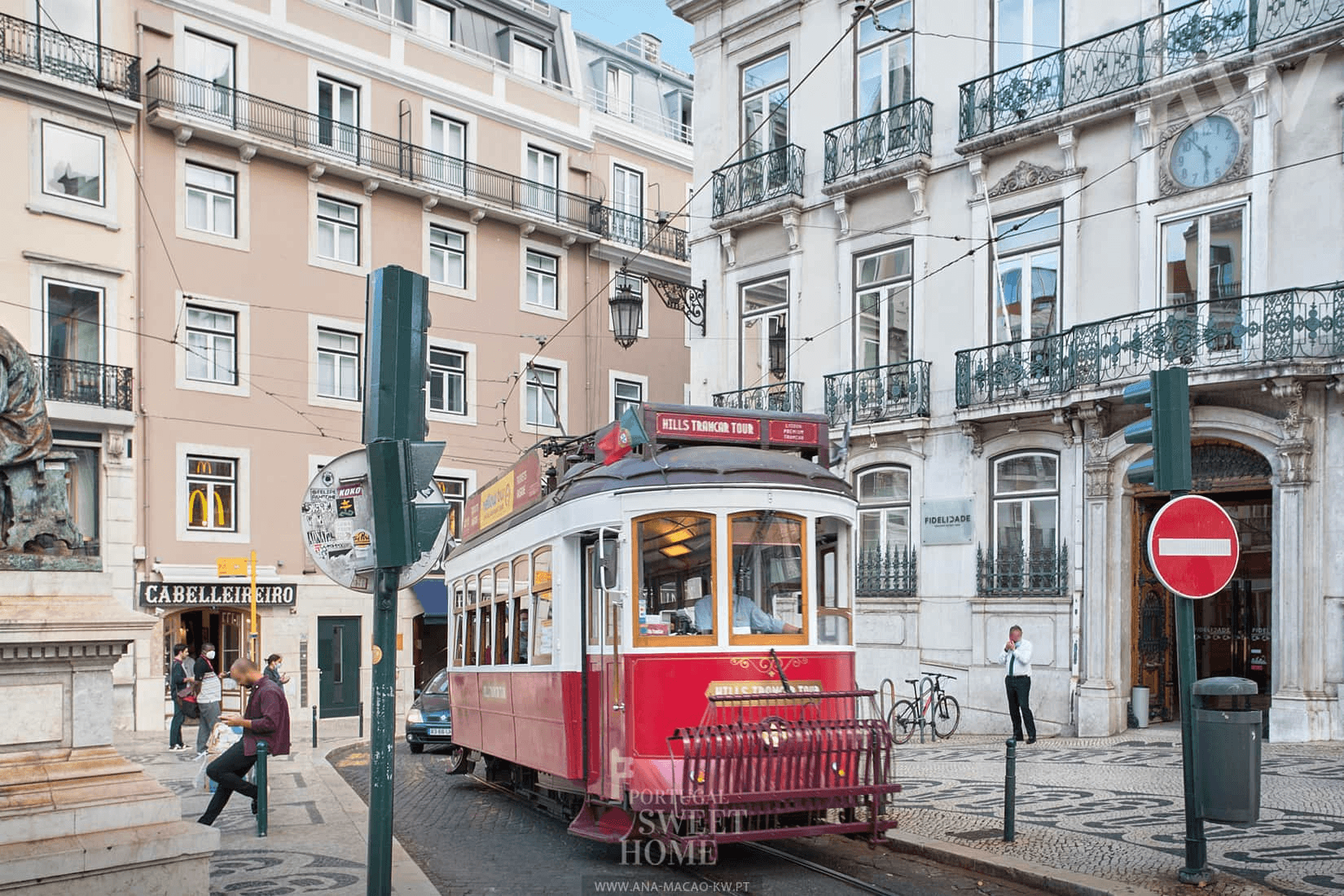
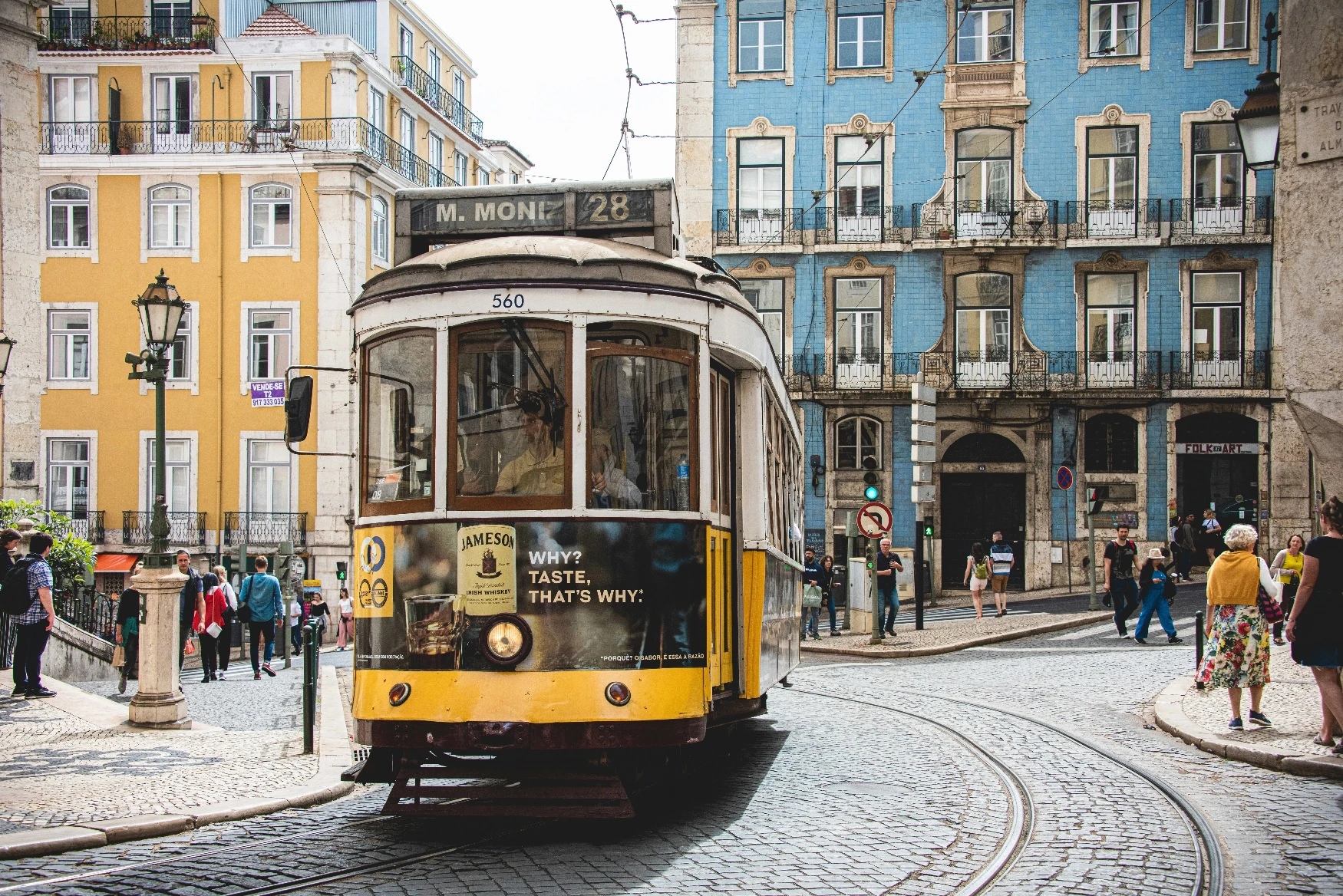
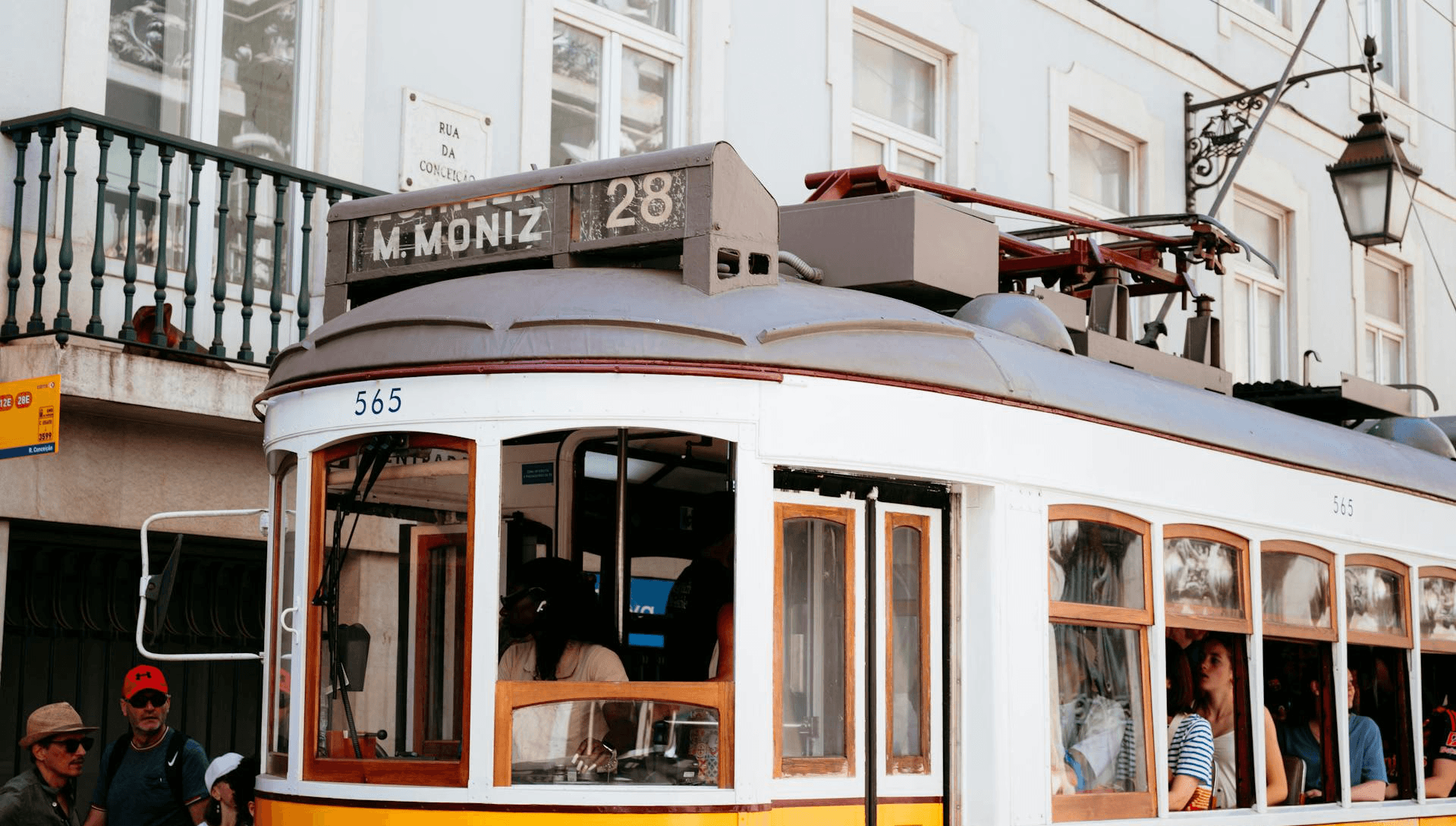
Tram 28 is the famous one. It passes through several historic areas and looks charming, but it can be extremely crowded. If you want to ride it, go early, avoid peak hours and remember that it is still public transport, not a private sightseeing tour.
There are other tram and funicular options that may be easier to enjoy. The Bica funicular is photogenic, the Glória funicular is practical between Restauradores and Bairro Alto, and the Santa Justa Lift is famous but often has queues that are longer than the experience justifies.
If you mainly want the charm, be flexible. Sometimes seeing the tram pass through the city is better than spending a long time waiting to squeeze inside one.
For a full breakdown, use our guide to Lisbon trams.
See Lisbon from the river
Lisbon’s relationship with the Tagus River is one of the reasons the city feels so open. When the hills become tiring, the riverside gives you space.
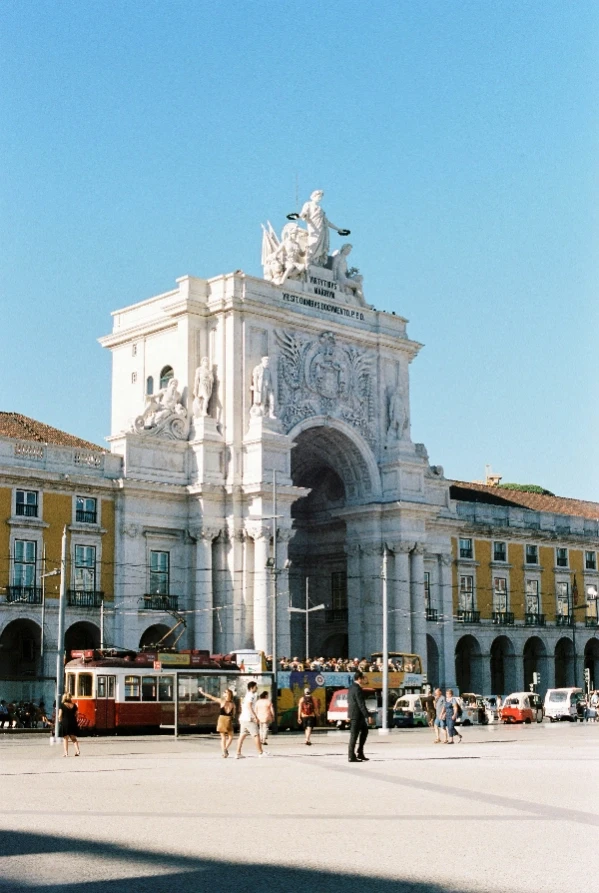
A simple walk from Cais do Sodré towards Praça do Comércio is one of the easiest ways to enjoy central Lisbon. Continue towards Santa Apolónia if you want a calmer stretch, or head west towards Belém for museums, monuments and river views.
Belém is especially good for a half-day. You can combine Jerónimos Monastery, the Belém Tower area, the Monument to the Discoveries, MAAT and Pastéis de Belém. It is popular, but it works well because the sights are close enough to build a clear route.
If you want something more relaxed, consider a sunset river cruise. It gives you a different view of the city, especially the bridge, the hills and the waterfront. It is one of the better romantic activities in Lisbon, but it also works well with friends.
If you are deciding between sightseeing, sailing and sunset options, compare Lisbon boat tours in one place.
Spend a playful afternoon at the Oceanário
Parque das Nações shows a very different side of Lisbon. It is modern, open and much flatter than the historic centre, which can be a relief after a few days of hills.
The Oceanário de Lisboa is the main reason many visitors come here. It is one of the city’s best attractions for families, but it is not only for children. The central tank, marine life and overall layout make it a strong choice for almost any weather.
Around the Oceanário, you can walk along the river, ride the cable car, visit the science museum or simply enjoy a quieter, more spacious part of the city. This area is not as traditionally “Lisbon” as Alfama or Chiado, but that is part of the point. It adds contrast to your trip.
For planning, read our guide to the Oceanário de Lisboa.

Browse LX Factory and independent shops
Lisbon is not only viewpoints, tiles and old streets. The city also has a strong creative side, especially around street art, independent shops, design spaces and reused industrial buildings.
LX Factory is the most obvious example. Set in a former industrial complex in Alcântara, it combines restaurants, shops, studios, cafés and the well-known Ler Devagar bookshop. It is not exactly hidden, but it is still fun, especially if you enjoy design-led spaces and casual browsing.
Street art is another good reason to explore beyond the most central areas. Mouraria, Graça, Marvila and parts of Alcântara all show a more contemporary side of Lisbon. Some murals are large and easy to spot; others appear as part of a normal walk.
Bookshops are also worth including if you like slower activities. Bertrand in Chiado is famous, Ler Devagar is visually striking, and smaller independent shops give you a quieter break from sightseeing.
Choose the right Lisbon nightlife area
Lisbon’s nightlife can be relaxed or very late, depending on what you want.
Bairro Alto is the classic starting point. It is compact, casual and full of small bars where people spill into the streets. It is fun if you want an easy, social night, but it can feel busy and messy later on.
Cais do Sodré is more intense, especially around Pink Street and the surrounding bars. It works well if you want a bigger night out and do not mind crowds.
For electronic music, Lisbon has a growing club and event scene, with different venues and promoters depending on the night. If that is your focus, it is worth checking events before you go rather than assuming the same place is always the best option. Our guide to techno in Lisbon is a useful starting point.
If you prefer calmer evenings, choose a wine bar, a rooftop, a fado night or a late walk along the river instead.

Join a seasonal festival or open-air event
Lisbon changes a lot depending on when you visit. June is the clearest example, because the city celebrates Santos Populares, with street parties, grilled sardines, music and neighbourhood decorations.
The biggest night is 12 June, during the Santo António celebrations. If you are in the city then, it is one of the most memorable local experiences you can have. It is also crowded, smoky and noisy, so it helps to know what you are getting into.
For the full overview, read our guide to Santos Populares Lisbon 2026. If you hear people talking about the “Lisbon Sardine Festival”, that usually refers to the same wider celebration, where grilled sardines become one of the main symbols of the season.
Other times of year bring different experiences: spring is good for walking, summer is better for beach days, autumn is pleasant for food and neighbourhood exploring, and winter can be excellent for museums, cafés and fewer crowds.
Add surf, beaches or palaces on a day trip
One of the best things about Lisbon is how easily you can leave it for a day.
Sintra is the most famous day trip, with palaces, gardens, forested hills and a very different atmosphere from the capital. It is beautiful, but it needs planning because the main sights are spread out and crowds can be heavy.
Cascais is easier if you want a seaside day with less logistics. The train from Cais do Sodré follows the coast, and the town works well for a walk, lunch and time by the water.
For beaches, Costa da Caparica is one of the most practical options near Lisbon. If you want surf culture and a more distinct coastal town, Ericeira is a strong choice, although it is better with a car or planned transport.
If you want a broader list, read our guide to the best day trips from Lisbon.
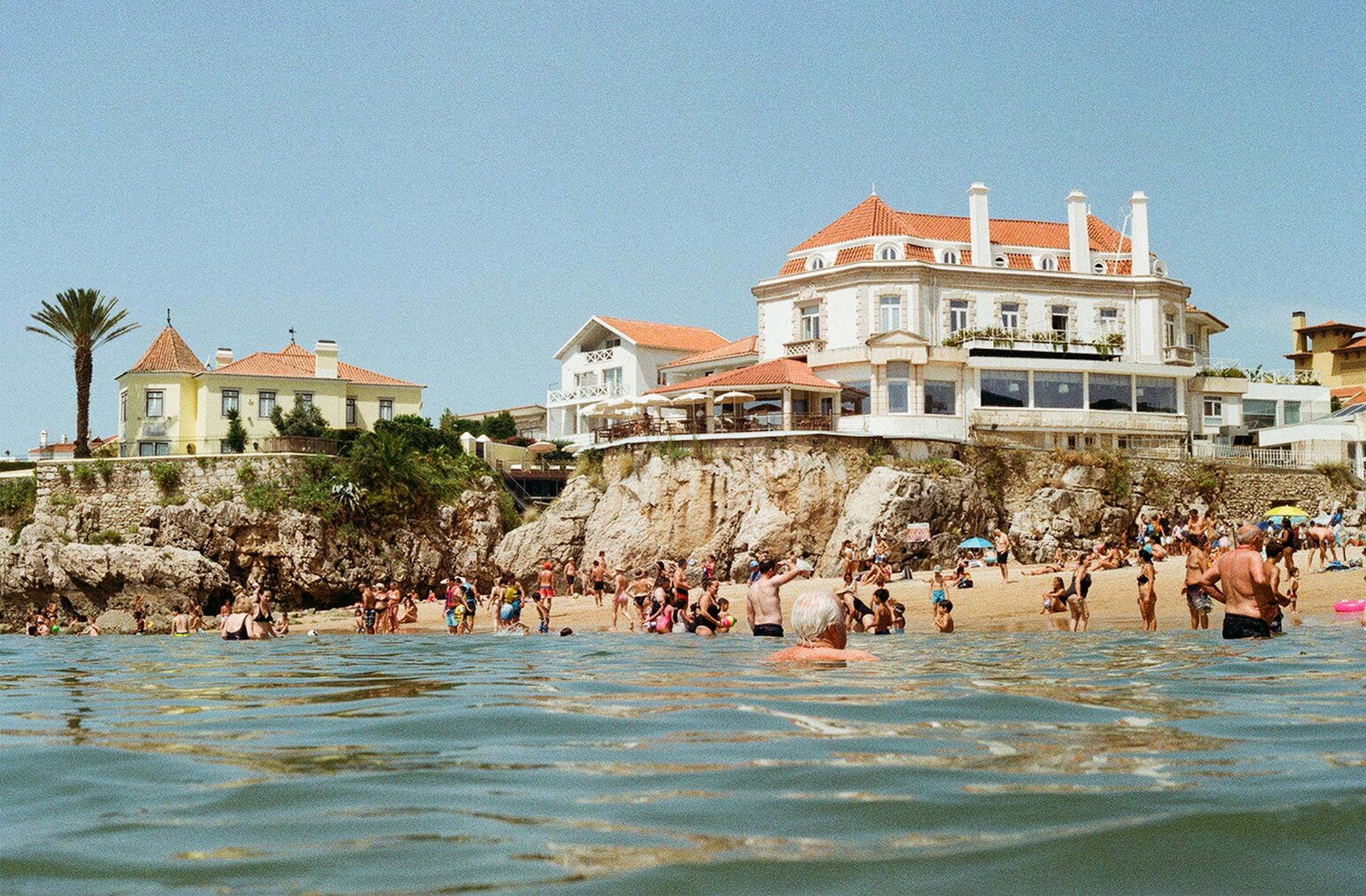
Take a ferry, visit a market or stop at a kiosk
Not every fun activity in Lisbon needs a ticket, schedule or booking.
Walk through Chiado and stop for coffee. Browse a bookshop. Sit at a kiosk in a square. Take the long way back through a neighbourhood you do not know. Visit a market. Watch the light change over the river. Try a bifana. Find a small tasca for lunch. Spend half an hour doing nothing at a viewpoint.
These moments often make Lisbon feel more memorable than a packed itinerary. The city rewards wandering, but it rewards comfortable shoes even more.
If you are staying for several days, build your trip around one or two planned activities per day, then leave space around them. Lisbon is much more enjoyable when you do not try to turn every hour into a mission.
Make your own Portuguese tile
A hands-on tile workshop is a stronger souvenir than another mass-produced purchase and gives context to the azulejos seen across the city. Reserve ahead because workshop capacity is usually limited.
Browse a flea market or vintage shop
Combine Feira da Ladra with independent vintage shopping for an inexpensive activity away from the standard monument circuit.
Catch an open-air film in summer
During the warmer months, outdoor screenings provide an easy evening alternative to bars and clubs. Check the current options in our guide to open-air cinemas in Lisbon.
Best fun things to do in Lisbon for different travellers
If it is your first time in Lisbon, focus on Alfama, Belém, a viewpoint, a tram or funicular, one strong local meal and time by the river.
If you are travelling as a couple, add a sunset viewpoint, a river cruise, fado or a quieter dinner in Príncipe Real, Chiado or Alfama.
If you are visiting with kids, prioritise the Oceanário, Parque das Nações, trams, gardens, short river walks and activities with breaks built in.
If you are on a budget, Lisbon still works well. Viewpoints, neighbourhood walks, markets, churches, riverside routes and many outdoor experiences cost little or nothing.
If you have already visited before, go deeper into neighbourhoods like Graça, Mouraria, Santos, Alcântara, Campo de Ourique or Marvila instead of repeating only the obvious sights.
Final thoughts
The most fun things to do in Lisbon are not all big attractions. Some are, of course: the Oceanário, Belém, São Jorge Castle, fado, trams and river cruises all deserve their place. But Lisbon is also about smaller pleasures: viewpoints, cafés, food, old streets, music, late light and neighbourhoods that feel different from one another.
The best plan is to mix both. Choose a few major activities, then leave enough space for slow walks, good meals and moments that are not planned too tightly.
Lisbon is not a city that needs to be forced. Give it a little time, follow the hills carefully, and it usually gives you more than enough to do.
FAQ
1. What are the most fun things to do in Lisbon?
Some of the most fun things to do in Lisbon include visiting viewpoints, exploring Alfama, eating pastéis de nata, hearing fado, riding a tram, walking by the river, visiting the Oceanário, going to Belém and taking a day trip to Sintra or Cascais.
2. Is Lisbon good for fun activities?
Yes. Lisbon is very good for fun activities because it combines historic neighbourhoods, viewpoints, food, nightlife, museums, river activities, beaches nearby and easy day trips. It works well for couples, families, solo travellers and groups of friends.
3. What should I do in Lisbon if I only have one day?
With one day in Lisbon, focus on Alfama, Baixa, Chiado, Praça do Comércio, one viewpoint and a good local meal. If you prefer monuments, spend half the day in Belém and the other half in the historic centre.
4. What are fun free things to do in Lisbon?
Fun free things to do in Lisbon include visiting viewpoints, walking through Alfama and Graça, exploring Praça do Comércio, seeing street art, walking along the river, visiting markets and enjoying the atmosphere of neighbourhood squares.
5. What is a fun thing to do in Lisbon at night?
At night, you can listen to fado, go for drinks in Bairro Alto or Cais do Sodré, book a sunset river cruise, visit a rooftop bar, or enjoy a slower evening walk through Chiado, Alfama or the riverside.

Rafael Rocha
The Author
Having lived and studied in Lisbon for many years, a deep connection to the city grew naturally over time. Here I share practical guides and local recommendations to help you experience Lisbon better.
Buy me a coffee