Monsanto Forest Park Lisbon: How to Visit the City's Green Escape
Plan Monsanto Forest Park in Lisbon with viewpoints, walking ideas, family tips, transport cautions, safety advice and where it fits into a city trip.

Monsanto Forest Park is Lisbon’s biggest green escape, but it is not a simple city-centre park where you stroll in from a metro station and instantly understand the layout. It is large, wooded, spread out and better when you choose a specific area before going.
This Monsanto Forest Park Lisbon guide explains what to expect, where to focus, how to get there, who will enjoy it and how to avoid turning a nature break into a confusing transport problem. If you want easier central green spaces, compare free things to do in Lisbon and Lisbon with kids.
What is Monsanto Forest Park?
Monsanto Forest Park, or Parque Florestal de Monsanto, is the large forested area on the western side of Lisbon. Visit Lisboa calls it Lisbon’s lungs and describes around 900 hectares of greenery with cycle paths, viewpoints and wildlife. Lisboa City Council’s official point-of-interest listing describes it as the largest green space in Lisbon and notes that it is open 24 hours.
For visitors, the scale matters. Monsanto is not one attraction; it is a network of roads, picnic areas, viewpoints, playgrounds, trails, interpretation spaces and wooded slopes. Going without a destination can be frustrating. Going with one or two clear stops can be excellent.
Best reasons to visit Monsanto
Views over Lisbon
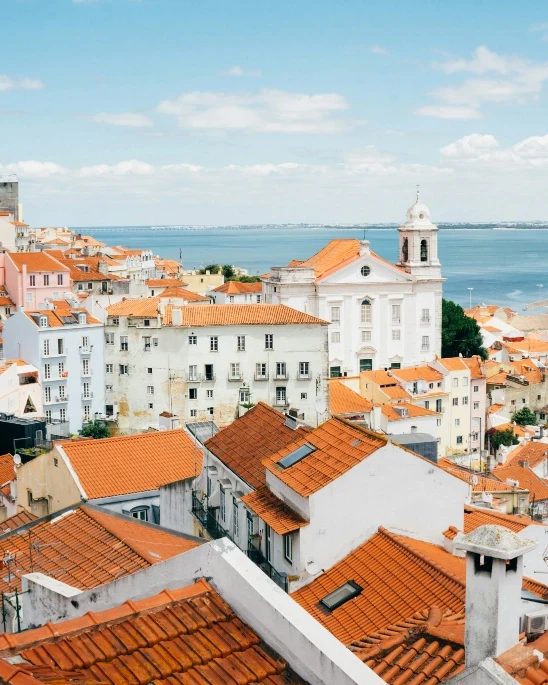
Monsanto’s viewpoints are the easiest reason to visit. Depending on where you go, you can see the city, the Tagus, the 25 de Abril Bridge and the western side of Lisbon from a very different angle. This is a good alternative if you have already done the classic Alfama and Graca viewpoints.
For classic city viewpoints, see the best viewpoints in Lisbon and where to watch the sunset in Lisbon. Monsanto is less central and less polished, but the sense of space is different.
A real break from dense streets
Lisbon’s historic centre is beautiful, but it can be crowded, steep and visually intense. Monsanto gives you trees, air, shade and longer walking space. It is useful for repeat visitors, families who need a non-museum day, runners and anyone staying in Lisbon long enough to want something less urban.
Picnic and family time
Several Monsanto areas have picnic or leisure infrastructure. Lisboa City Council listings for park areas mention equipment such as picnic areas, playgrounds, WCs, drinking fountains, fitness circuits and recreation zones, though facilities vary by section. Check the exact area before promising a specific playground or toilet stop.
Where to start in Monsanto
For a first visit, choose a named area rather than just typing Monsanto into a map. Alameda Keil do Amaral, Parque do Calhau, Parque do Alvito and the Monsanto Interpretation Centre are the kinds of anchors that make the park easier to navigate.
If you want views, start near a viewpoint or the Keil do Amaral area. If you want a family outing, look for recreation zones with playgrounds and picnic tables. If you want a longer walk, study the route first and avoid assuming every path is well signposted for tourists.
This is also why Monsanto is better with a modest goal. Choose one viewpoint and one picnic or walking area, not five scattered pins. Distances inside the park can look small on a phone but feel much longer when paths, roads and slopes interrupt the route.
How to get to Monsanto Forest Park
A taxi or ride-hailing car is often the simplest visitor option, especially if you are going to a specific viewpoint or recreation area. Public transport can work, but stops may leave you with an uphill walk or a route that is less obvious than expected.
Use Carris or Lisbon’s official transport tools on the day you travel, because bus routes, temporary changes and stop locations matter. Do not rely only on generic map pins. For wider ticket basics, see public transport in Lisbon and Zapping in Lisbon.
Cycling is possible for confident riders, and the wider green-corridor idea connects parts of Lisbon with Monsanto, but visitors should be realistic about hills, traffic transitions and summer heat.
Safety and comfort
Monsanto is a forest park, so basic outdoor common sense applies. Go in daylight for a first visit, carry water, wear shoes suitable for dusty or uneven paths, and do not wander into isolated tracks late in the day if you are unsure where they lead.
Because the park is large, phone battery and navigation matter more than in central Lisbon. Save your exit point, check return transport before you start walking and avoid making the visit too ambitious in hot weather.
If you are visiting alone, stay on busier paths and named recreation areas for a first trip. If you are with children, do not assume every section has fences, cafes or frequent toilets. Monsanto can be wonderfully freeing, but it is less controlled than a formal garden or riverside promenade.
When Monsanto is a good idea
Monsanto is a good idea on a longer Lisbon stay, a repeat visit, a mild-weather morning, a family day that needs space, or a trip where you want to balance museums and restaurants with nature. It is less ideal on a first one-day Lisbon itinerary, because the logistics can eat time you need for the historic centre.
If you only have one or two days, prioritise central Lisbon, Belem or a clear day trip. See one day in Lisbon or 2 days in Lisbon for better first-trip sequencing.
Monsanto is also not the best answer if you simply want an easy landscaped park near the centre. Parque Eduardo VII, Gulbenkian’s garden area or the Belem riverfront are simpler. Monsanto is the better answer when you actively want forest, space and a break from the sightseeing circuit.
Bottom line
Monsanto Forest Park is worth visiting when you want Lisbon to feel bigger, greener and quieter. Pick a specific area, go in daylight, keep transport realistic and treat it as a nature break rather than a classic sightseeing stop. Done that way, it becomes one of the best ways to reset without leaving the city.

Rafael Rocha
The Author
Having lived and studied in Lisbon for many years, a deep connection to the city grew naturally over time. Here I share practical guides and local recommendations to help you experience Lisbon better.