Mouraria Lisbon Guide: What to See and How to Visit
Explore Mouraria in Lisbon with a practical guide to streets, fado history, food, viewpoints, safety, transport and how to fit it into your trip.

Mouraria is one of the most interesting neighbourhoods to explore in Lisbon, but it is also one of the easiest to misunderstand. It sits between Martim Moniz, Castelo and Alfama, close enough to the postcard centre that many visitors walk through it by accident, yet different enough that it deserves its own plan.
This Mouraria Lisbon guide is for travellers who want the neighbourhood to feel readable rather than random. Expect steep streets, small squares, fado history, immigrant-run shops, old houses, new restaurants and a few edges that make it feel less polished than nearby Alfama. If you are planning a wider route, keep the guides to Alfama and the best neighbourhoods in Lisbon open as useful comparisons.
Why Mouraria is worth adding to your Lisbon itinerary
Mouraria is worth visiting because it shows a central Lisbon that is not only built around monuments. Visit Lisboa describes it as a traditional quarter connected to the origins of fado and to the area where the Moors lived after the Christian reconquest. That history matters, but the present-day neighbourhood is just as important: food shops, South Asian restaurants, Portuguese tascas, murals, residents, short-term rentals and local associations all share a small hillside.
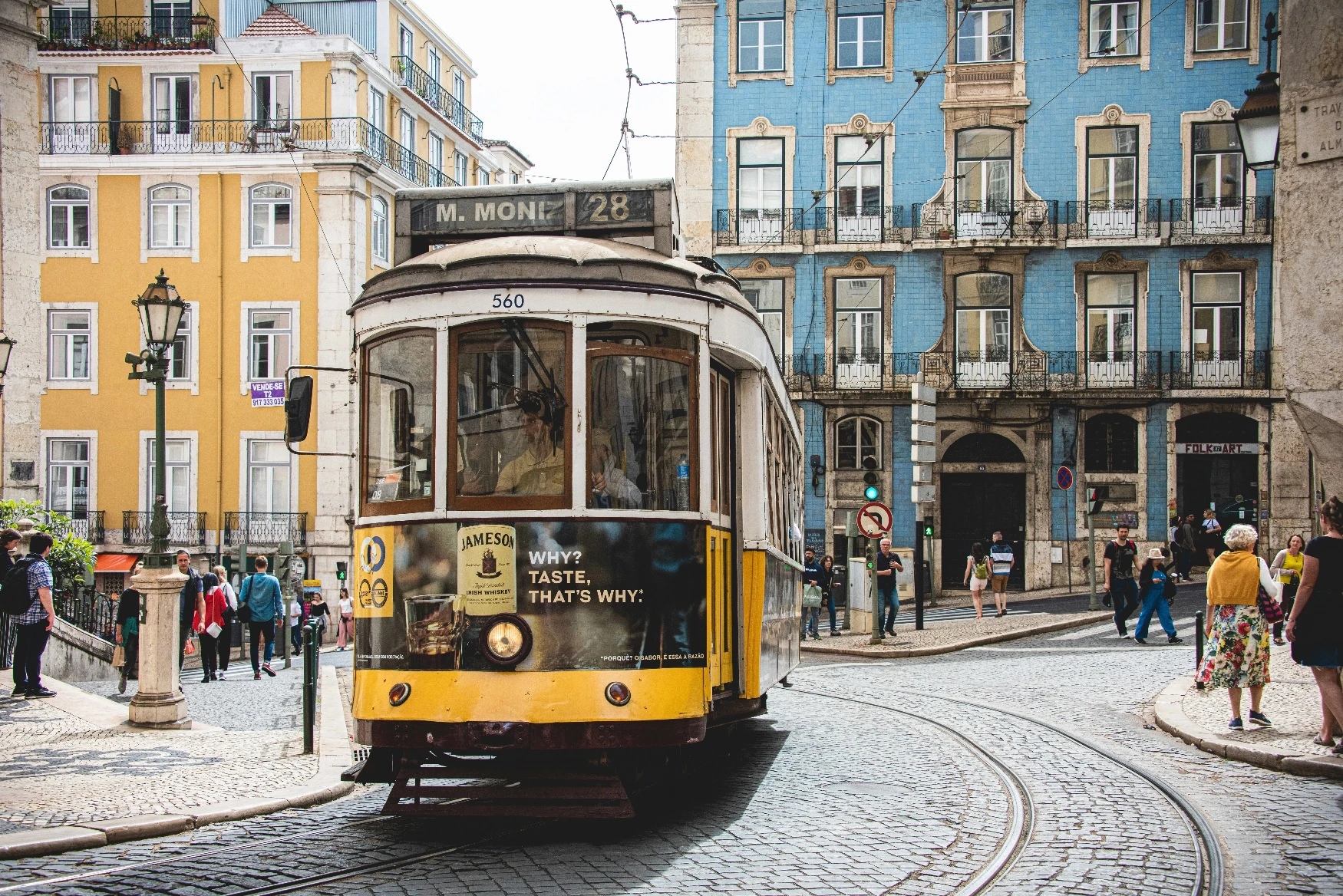
For visitors, Mouraria works best as a slow walk rather than a checklist. It is not a place where you need to buy a ticket, queue for an attraction or follow a strict route. The reward is in moving carefully between Martim Moniz, Rua do Capelao, Largo da Severa, Escadinhas de Sao Cristovao, the slopes toward Graca and the edges of the castle hill.
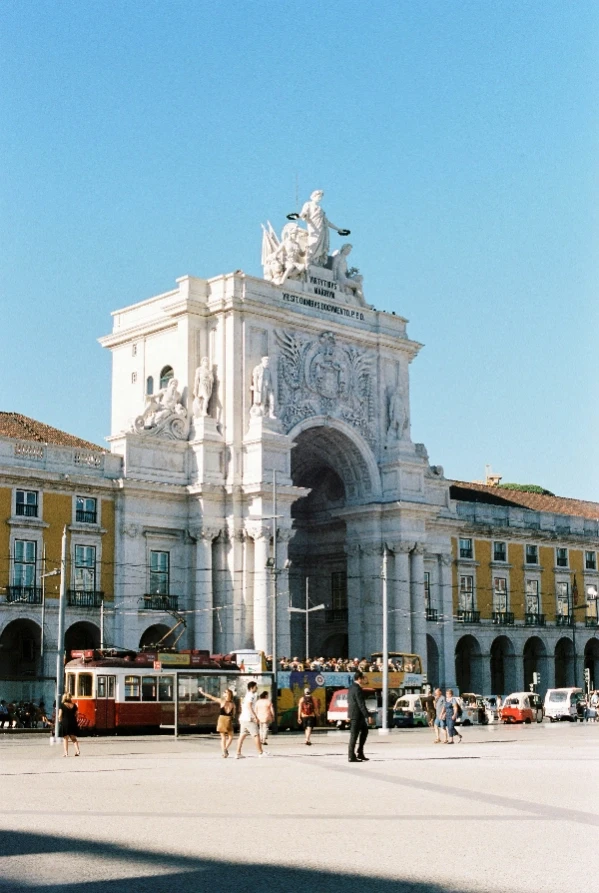
The neighbourhood also fills a useful gap between classic sightseeing and local texture. If Baixa gives you an easy grid and Alfama gives you the most photographed old-town image, Mouraria gives you a rougher, more lived-in transition between the two.
Start at Martim Moniz, but do not judge Mouraria only by the square
Martim Moniz is the simplest starting point because it has a metro station, bus connections and a clear position below the castle. It can feel busy and a little chaotic, especially around the square and the surrounding streets, but it is a practical gateway into Mouraria.
From Martim Moniz, walk slowly uphill rather than trying to cross the area quickly. Rua do Benformoso, Rua da Guia and the smaller side streets show the neighbourhood’s mix of grocery stores, cafes, restaurants and everyday housing. If a street feels too quiet late at night, choose a better-lit route back toward Rossio, Baixa or Graca.
This is not a neighbourhood to romanticise blindly. It is central, historic and rewarding, but it is also residential and uneven. Visit by day or early evening for the easiest first experience. After dark, stick to main streets, keep valuables secure and avoid treating narrow alleys as shortcuts if you are unsure where they lead. For a broader safety context, read is Lisbon safe for tourists?.
What to see in Mouraria
Rua do Capelao and Largo da Severa
Rua do Capelao and Largo da Severa are closely tied to Mouraria’s fado identity. The figure of Maria Severa, often linked to the early mythology of fado, is part of how the neighbourhood presents itself today. Do not expect a museum-like street; the area is small and lived-in. The better approach is to pause, read the street as part of a wider story, then continue toward the hillside.
Escadinhas de Sao Cristovao
The steps of Sao Cristovao are one of the most memorable visual stops in Mouraria, partly because of the fado-themed mural and partly because they give you a compact sense of the neighbourhood’s slope. They also connect naturally toward the church and the upper streets near Castelo.
The walk toward Graca
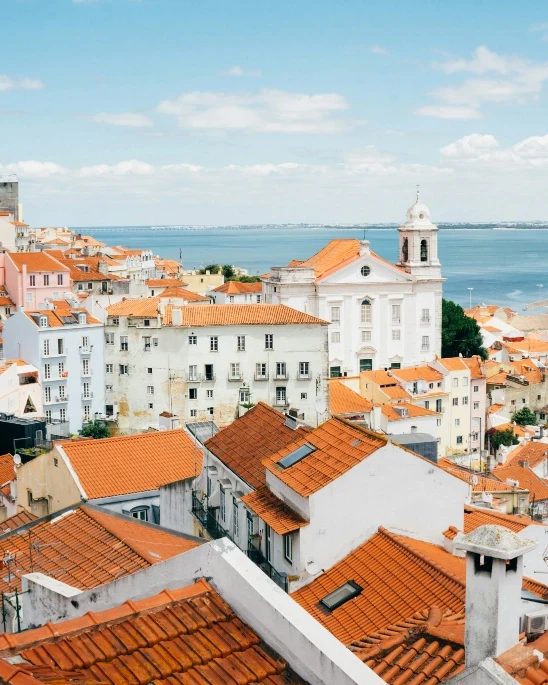
If you have energy, continue from Mouraria toward Graca. The climb is real, but it creates one of Lisbon’s best transitions: from Martim Moniz bustle to old hillside streets, then onward to viewpoints. Pair Mouraria with what to see in Graca if you want a stronger half-day walk.
Where Mouraria fits into a walking route
A simple route starts in Baixa or Rossio, crosses Martim Moniz, climbs through Mouraria, pauses around Rua do Capelao and Escadinhas de Sao Cristovao, then continues either to Castelo or Graca. This keeps the walk logical: you climb once, then use the elevation for views.
If you want a gentler version, start at Graca instead and walk downhill through Mouraria toward Baixa. This is easier on the legs, especially in summer, and lets you end near metro, restaurants and flat central streets. The trade-off is that Mouraria reveals itself more gradually when you climb into it from below.
For a first Lisbon trip, Mouraria pairs well with Baixa and Chiado, Alfama or Graca. It is less ideal as a rushed stop between Belem and Parque das Nacoes, because the neighbourhood needs a little time and attention.
Food, fado and local atmosphere
Mouraria is good for travellers who like food streets that still feel functional. You will find Portuguese places, small cafes and a wide mix of South Asian, African and Chinese influences around the lower streets. Menus and quality vary, so avoid assuming that every old-looking doorway is a hidden gem. Look for busy rooms, clear prices and a pace that suits your day.
For fado, Mouraria is historically important, but many visitors still choose Alfama or Bairro Alto for an actual show because there are more established venues. If fado is a priority, compare options in where to see fado in Lisbon and best fado shows in Lisbon before booking.
Practical tips before you go
Wear shoes that grip well on polished calçada. Mouraria’s streets are steep, uneven and slippery after rain. Avoid large rolling luggage if you are staying here; many apartments sit on stairs or narrow lanes where a taxi cannot stop at the door.
The best time to visit is morning or late afternoon. Morning is calmer and better for photography; late afternoon pairs well with Graca viewpoints and dinner. In July and August, avoid climbing through the neighbourhood in the hottest part of the day.
Mouraria is central enough that you do not need a special transport plan. Use Martim Moniz metro, walk from Rossio, or connect from Graca by bus or on foot. For ticket basics, see public transport in Lisbon.
Is Mouraria a good place to stay?
Mouraria can be a good place to stay if you want atmosphere, central access and do not mind hills. It is less convenient if you want a polished hotel district, step-free streets or very quiet nights. First-time visitors who want simplicity may prefer Baixa, Chiado, Avenida or Saldanha; travellers who value character may enjoy Mouraria more.
If you are comparing bases, start with where to stay in Lisbon for first-time visitors and where to stay in Lisbon without hills. Mouraria is rewarding, but it is not the easiest neighbourhood for every traveller.
Bottom line
Mouraria is one of the best central Lisbon neighbourhoods for travellers who want texture rather than another monument. Go slowly, keep expectations realistic, respect the residential feel and use the walk to connect Baixa, Castelo, Alfama and Graca. It is not the most polished part of the city, but that is exactly why it remains interesting.

Rafael Rocha
The Author
Having lived and studied in Lisbon for many years, a deep connection to the city grew naturally over time. Here I share practical guides and local recommendations to help you experience Lisbon better.


Related Articles
Feb 6, 2026
Discover 10 must-see places to visit in Santos, Lisbon, from top museums and historic streets to gardens, culture and local nightlife spots.
Dec 24, 2025
Discover the best neighbourhoods in Lisbon, from Baixa and Chiado to Alfama, Belém and Príncipe Real, with practical tips on what each area suits best.