Lisbon Botanical Gardens: 5 Green Escapes to Visit
Compare five botanical gardens in Lisbon, including Príncipe Real, Belém, Ajuda and Estufa Fria, with locations, highlights and visitor tips.

Lisbon’s botanical gardens are scattered across the city, and each offers a different experience. One feels like a hidden forest behind Príncipe Real, another explores tropical collections in Belém, while the oldest sits above Ajuda in a formal eighteenth-century setting.
Below, we compare five botanical gardens and garden-like green spaces in Lisbon, including locations, highlights, typical opening patterns and practical considerations. Hours and prices can change, so use the official links below for a final check on the day of your visit.
Lisbon botanical gardens at a glance
Jardim Botânico de Lisboa — best for mature trees, palms and a peaceful central escape near Príncipe Real.
Jardim Botânico Tropical — best for tropical and subtropical collections while sightseeing in Belém.
Jardim Botânico da Ajuda — best for history, formal terraces and an inexpensive visit.
Estufa Fria — best for lush indoor and shaded planting close to Marquês de Pombal.
Gulbenkian Garden — best free alternative for landscape architecture, ponds and a museum combination.
1. Jardim Botânico de Lisboa
Hidden behind the National Museum of Natural History and Science, the Jardim Botânico de Lisboa is the most convenient traditional botanical garden for visitors staying in central Lisbon. The entrance is on Rua da Escola Politécnica, between Rato and Príncipe Real.
The University of Lisbon describes a collection of roughly 1,300 to 1,500 species, with monumental trees, palms, cycads and plants from regions including Australia, New Zealand, China, Japan and South America. The garden opened to the public in 1878 and is now classified as a National Monument.
Its sloping paths and dense planting create the feeling of stepping away from the city, even though cafés and shops are only minutes away. Allow 60 to 90 minutes, then continue with our guide to what to see in Príncipe Real.

2. Jardim Botânico Tropical in Belém
The Jardim Botânico Tropical occupies around seven hectares close to Jerónimos Monastery and Belém Palace. It was created in 1906 and contains about 500 perennial species, primarily of tropical or subtropical origin, alongside historic buildings and sculpture.
This is the easiest garden to combine with a conventional sightseeing day. Tall palms, cycads, lakes and open lawns offer a calmer contrast to the monuments and queues around Praça do Império. The collection also reflects Portugal’s colonial history, so the site is both a botanical space and a place with a complex institutional past.
Plan at least an hour and avoid the hottest part of a summer afternoon. Afterwards, continue with our guides to what to see in Belém and Belém Tower.

3. Jardim Botânico da Ajuda
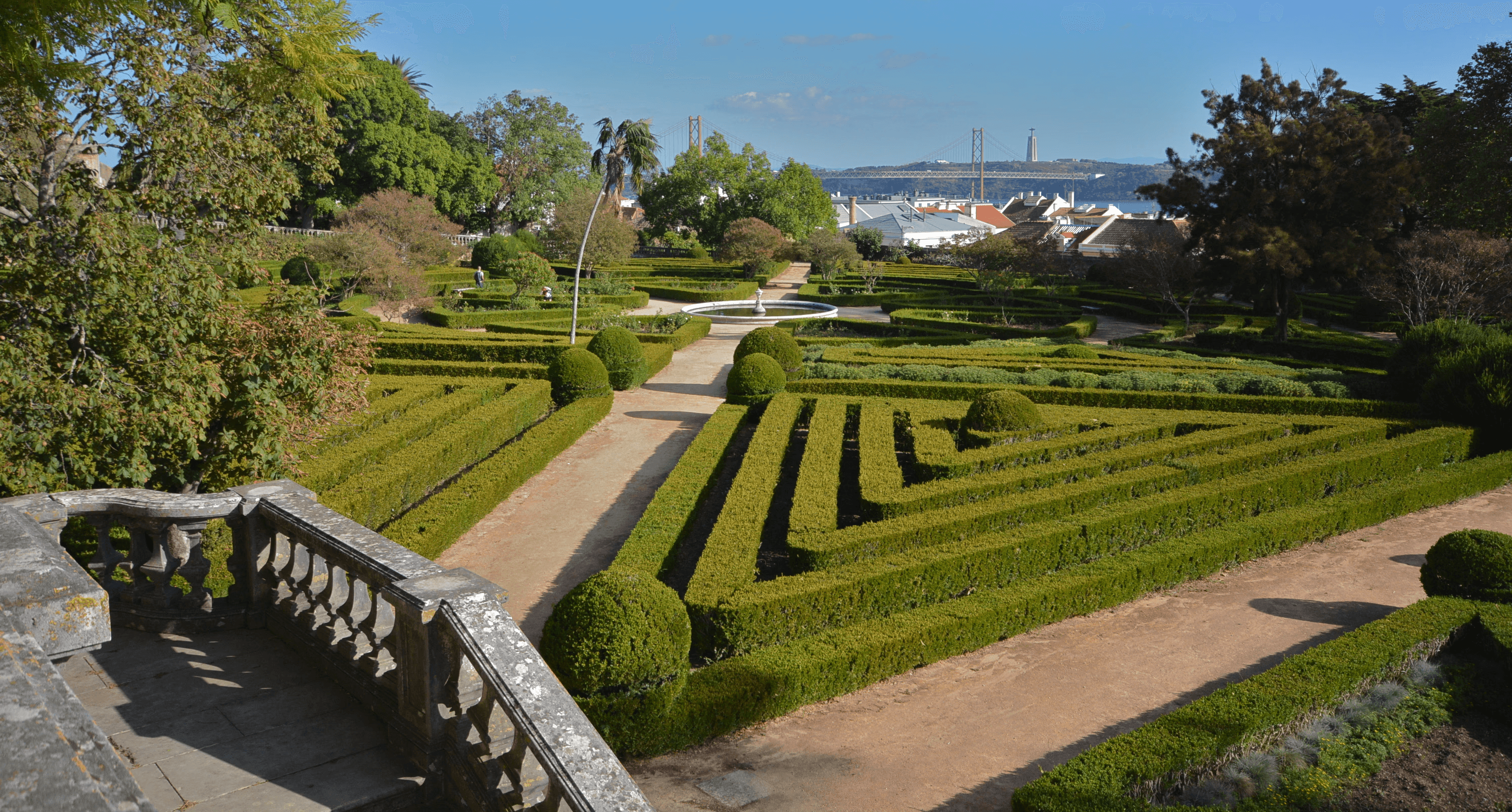
The Jardim Botânico da Ajuda is Portugal’s oldest botanical garden and one of Lisbon’s most underrated green spaces. Its formal upper terrace, geometric beds, mature trees and views towards the Tagus feel very different from the shaded, informal character of the Príncipe Real garden.
The garden is particularly good for visitors interested in the history of science, garden design or botanical collections without large crowds. It is also close to Ajuda National Palace, making the two a natural pairing. The surrounding streets are hilly, so public transport is usually more comfortable than walking up from Belém.
For a longer nature-focused experience nearby, consider a private botanical tour and picnic in Tapada da Ajuda. This is a separate experience from admission to Jardim Botânico da Ajuda.
The standard adult ticket is 2,00€, with seasonal opening hours. In May through September, it generally remains open later at weekends; winter closing times are earlier. Confirm the schedule before travelling.
4. Estufa Fria
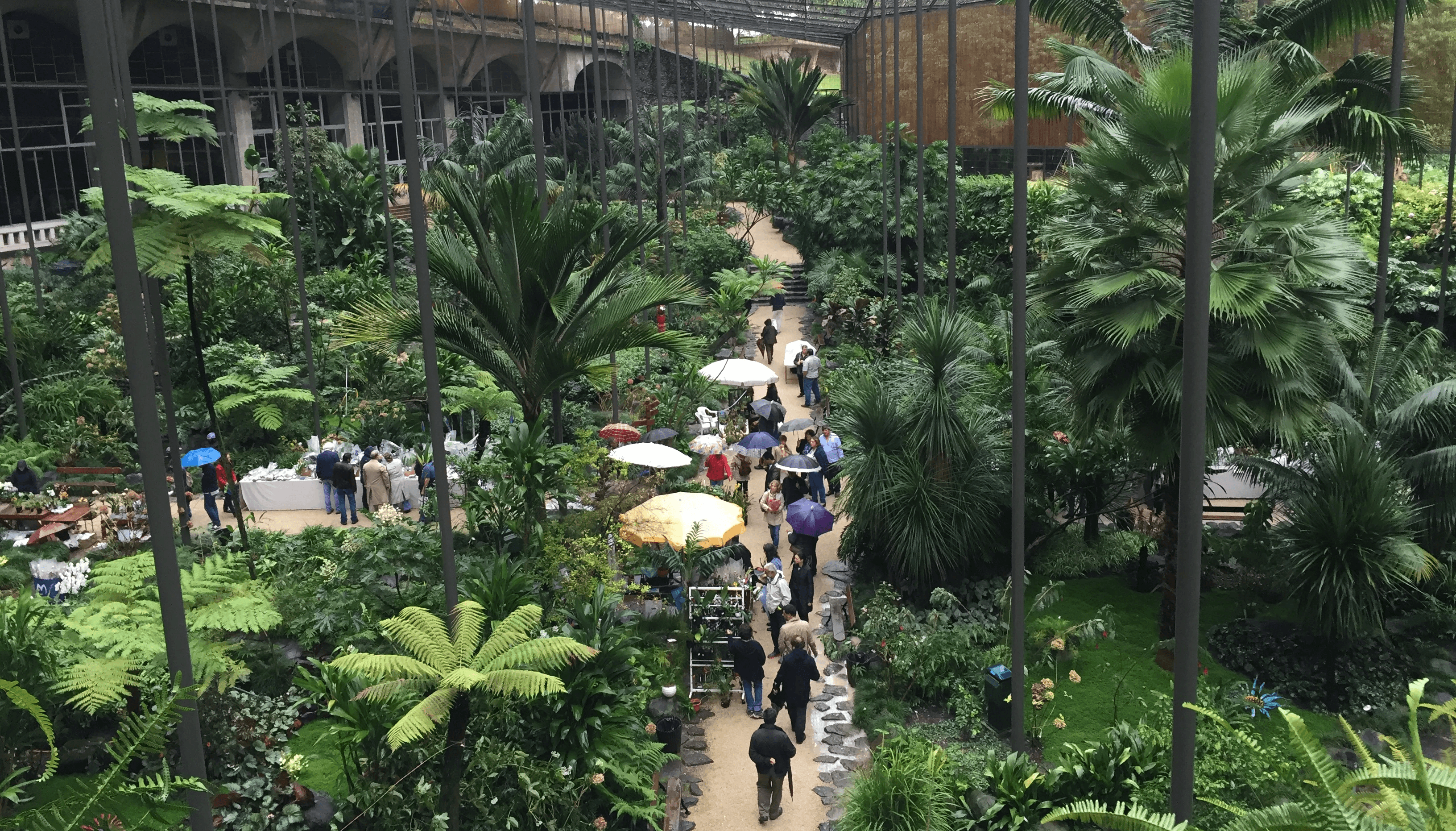
Located inside Parque Eduardo VII, Estufa Fria is not a conventional outdoor botanical garden, but it is one of the city’s richest plant experiences. More than 300 species grow across three connected areas: Estufa Fria, Estufa Quente and Estufa Doce.
The main greenhouse uses wooden lathes rather than glass to create a cool, filtered environment filled with ferns, camellias, ponds and winding paths. The warmer sections contain more tropical plants and succulents. It works especially well on a bright but hot day, although not every area is fully protected from rain.
If your itinerary includes public transport and other paid attractions, compare the Lisboa Card, which currently includes admission to Estufa Fria. Combine it with a walk through Parque Eduardo VII or Marquês de Pombal.
5. Gulbenkian Garden
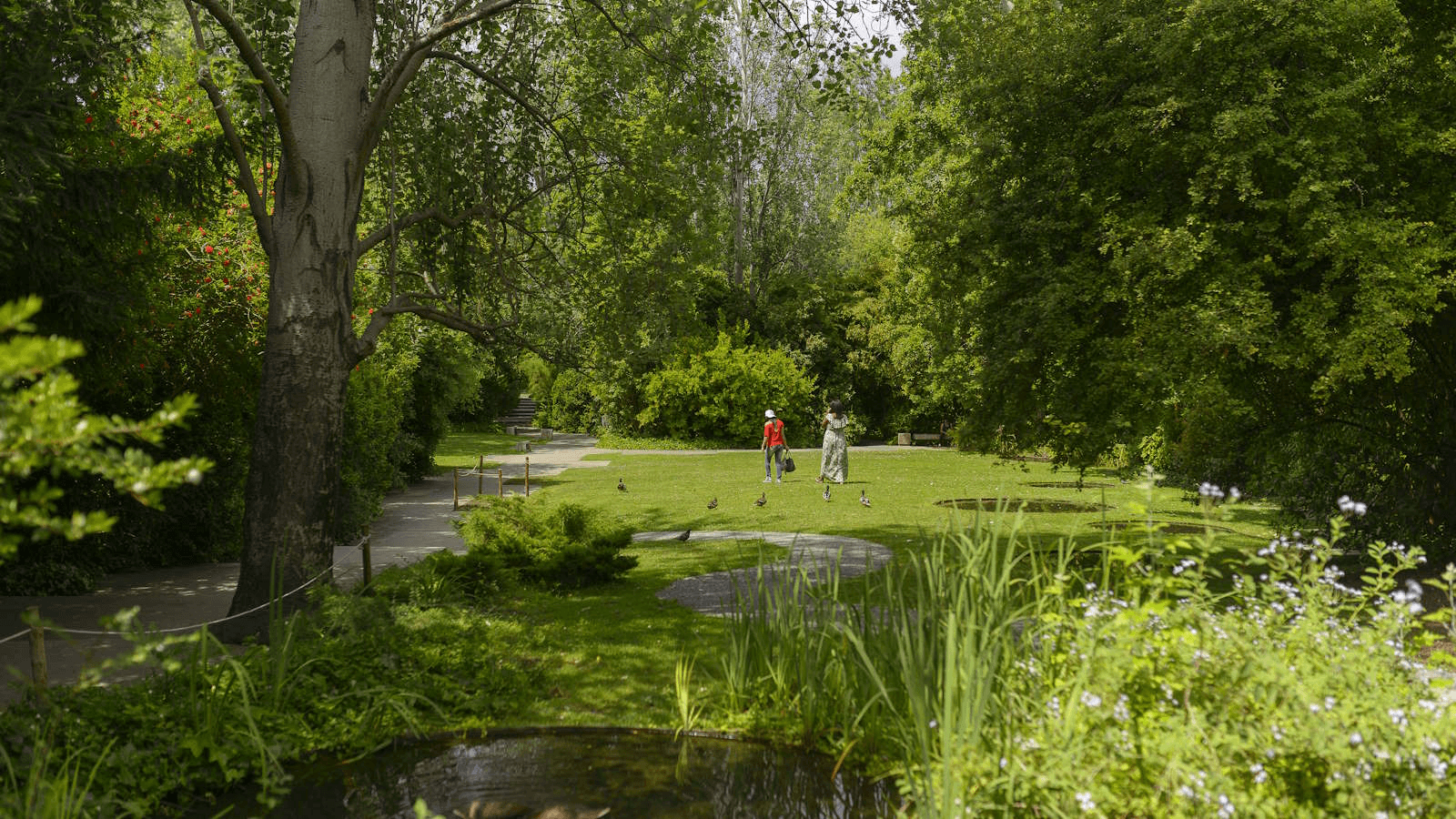
The Gulbenkian Garden is not formally a botanical garden, but it deserves a place in this guide as Lisbon’s best free alternative. Designed as a modern landscape around the foundation’s buildings, it combines woodland planting, lawns, ponds, paths and quiet seating areas.
Choose it when you want a shorter green break, a picnic or a garden that combines naturally with art and culture. The Calouste Gulbenkian Museum and Centro de Arte Moderna are nearby, making this the strongest garden-and-museum pairing in the city. For more cultural ideas, see our guide to the best museums in Lisbon.
Which Lisbon botanical garden should you choose?
Choose Jardim Botânico de Lisboa for the most atmospheric central garden and mature botanical collection. Pick Jardim Botânico Tropical when you are already visiting Belém. Ajuda is best for historical garden design and low admission cost, while Estufa Fria offers the most immersive foliage and greenhouse experience.
Gulbenkian is the answer when you want a free, flexible green space rather than a scientific collection. With two days, the best contrasts are Príncipe Real plus Estufa Fria in central Lisbon, followed by Tropical plus Ajuda in the west.
A practical two-day garden route
On the first morning, visit Jardim Botânico de Lisboa before exploring Príncipe Real. Continue downhill towards Avenida da Liberdade, then take the metro or walk to Parque Eduardo VII for Estufa Fria. Finish at Gulbenkian Garden if you still have energy; it is a longer walk, but the route keeps you within central Lisbon.
On the second day, begin at Jardim Botânico Tropical before the busiest period in Belém. Visit the Jerónimos area, then take a bus or taxi uphill to Jardim Botânico da Ajuda. This avoids repeating journeys across the city and leaves time for museums or the riverside.
Best time to visit Lisbon’s gardens
Spring offers fresh growth and milder temperatures, while early autumn often combines warm weather with fewer visitors. Summer visits are best in the morning or late afternoon, especially at Ajuda and the Tropical Garden. In winter, expect shorter hours and occasional slippery paths after rain.
Opening schedules can change because of storms, maintenance, private events or conservation work. Check official notices on the day, particularly after severe weather. For wet-weather alternatives, see what to do in Lisbon when it rains.
Accessibility and visiting with children
These gardens are historic landscapes, so accessibility varies. Jardim Botânico de Lisboa has slopes and some uneven paths. Ajuda is arranged across terraces, while the Tropical Garden mixes firm paths with softer or irregular surfaces. Estufa Fria is officially marked for reduced mobility, but some secondary routes may still involve gradients.
Contact the venue before visiting if step-free access, an accessible toilet or a particular entrance is essential. Families should bring water and supervise children near ponds and changes in level. For more ideas, read our guide to Lisbon with kids.
FAQ - Lisbon Botanical Gardens
What is the main botanical garden in Lisbon?
The Jardim Botânico de Lisboa near Príncipe Real is the city’s main central botanical garden. It belongs to the National Museum of Natural History and Science and contains around 1,300 to 1,500 species.
Which Lisbon botanical garden is in Belém?
Jardim Botânico Tropical is in Belém, close to Jerónimos Monastery. It specialises in tropical and subtropical flora and occupies approximately seven hectares.
Are Lisbon’s botanical gardens free?
The three formal University of Lisbon botanical gardens normally charge admission, although prices are modest and free-entry days or exemptions may apply. Gulbenkian Garden is a free alternative. Always confirm current ticket rules.
How much time do you need in a Lisbon botanical garden?
Allow about 60 to 90 minutes for Jardim Botânico de Lisboa, Tropical or Estufa Fria. Ajuda and Gulbenkian can work as shorter visits, although each can easily fill longer if combined with nearby museums.
Which botanical garden is best in Lisbon?
Jardim Botânico de Lisboa is the best all-round choice for atmosphere, location and botanical variety. Estufa Fria is more visually immersive, while the Tropical Garden is most convenient during a day in Belém.

Rafael Rocha
The Author
Having lived and studied in Lisbon for many years, a deep connection to the city grew naturally over time. Here I share practical guides and local recommendations to help you experience Lisbon better.
Buy me a coffee