Tourist scams in Lisbon to avoid
Is Lisbon safe for tourists? Learn the most common tourist scams in Lisbon, from pickpockets and taxi scams to fake drug sellers, and how to avoid them.

Lisbon is generally a safe city for visitors, but tourist scams and petty theft do happen, particularly in crowded parts of the historic centre and on public transport.
The main risks are pickpocketing, taxi overcharging, fake drug sellers and distraction scams rather than serious crime. Knowing what to expect is usually enough to avoid most problems.
Here are the most common tourist scams in Lisbon, where to watch out for them and how to stay safe.
1. Pickpockets on trams and in crowded areas
Pickpocketing is the main issue tourists should be aware of in Lisbon.
Extra care is worthwhile on crowded public transport and around popular tourist areas, particularly:
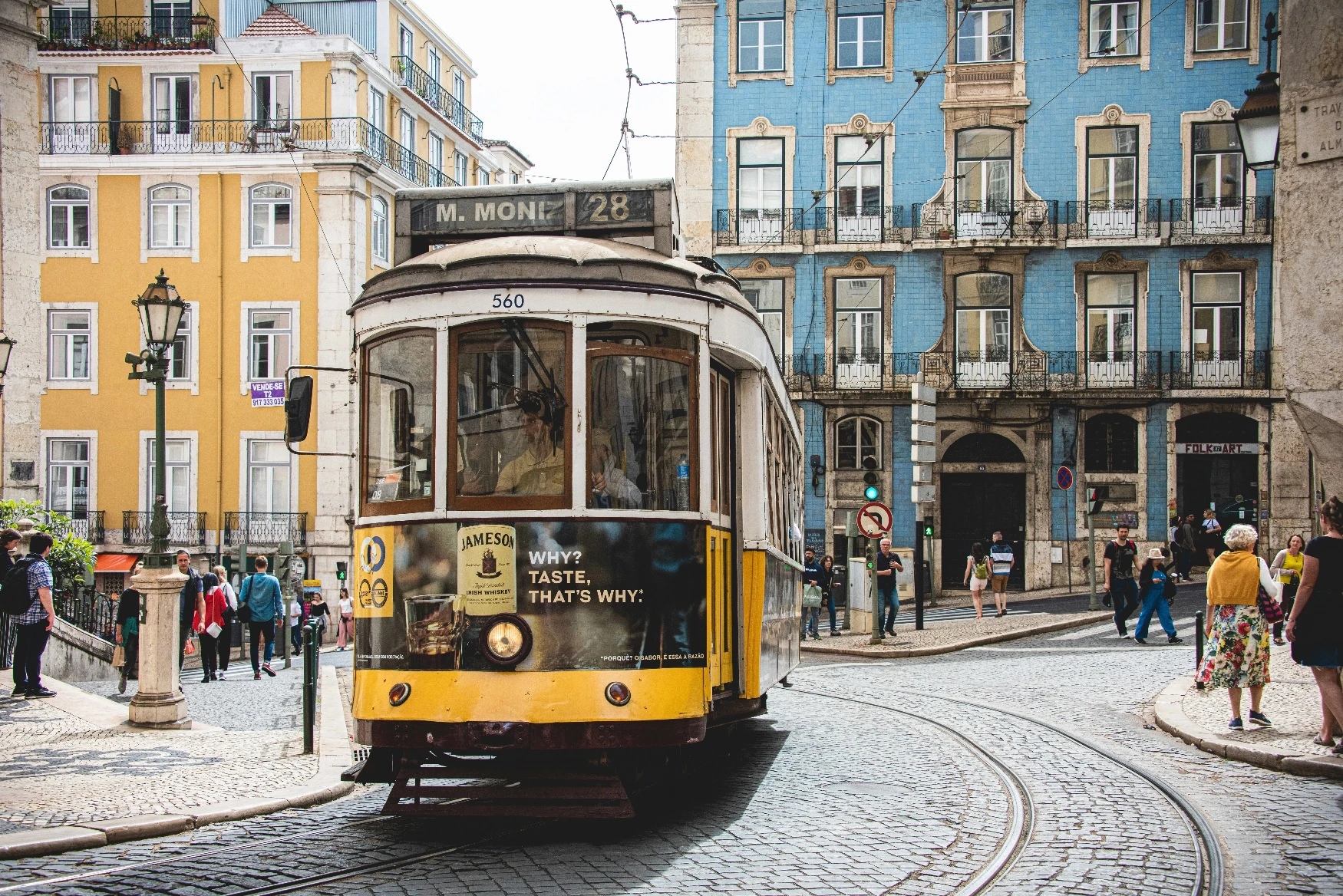
Tram 28
Baixa
Chiado
Alfama
Rossio
busy viewpoints
metro stations
crowded queues and entrances to attractions
Historic trams are an obvious target because passengers often stand close together while concentrating on where to get off or taking photos.
Keep your phone and wallet in a closed front pocket or zipped bag rather than a back pocket or easily accessible section of a backpack. On crowded trams, keep your bag in front of you.
You do not need to avoid Tram 28 or Lisbon's busiest neighbourhoods; just pay more attention when someone gets unusually close or creates a distraction.
2. Fake drug sellers in Baixa
Visitors walking through Baixa and the surrounding city centre may be approached by people quietly offering cannabis, hashish or cocaine.
This is one of Lisbon's more distinctive tourist scams.
Products sold on the street as drugs may actually contain substances such as pressed herbs or powdered medicines rather than what the seller claims. The practice has been reported in Lisbon for years and continued to attract attention in 2026.
The best response is simple: do not stop or engage. Ignore the offer and continue walking.
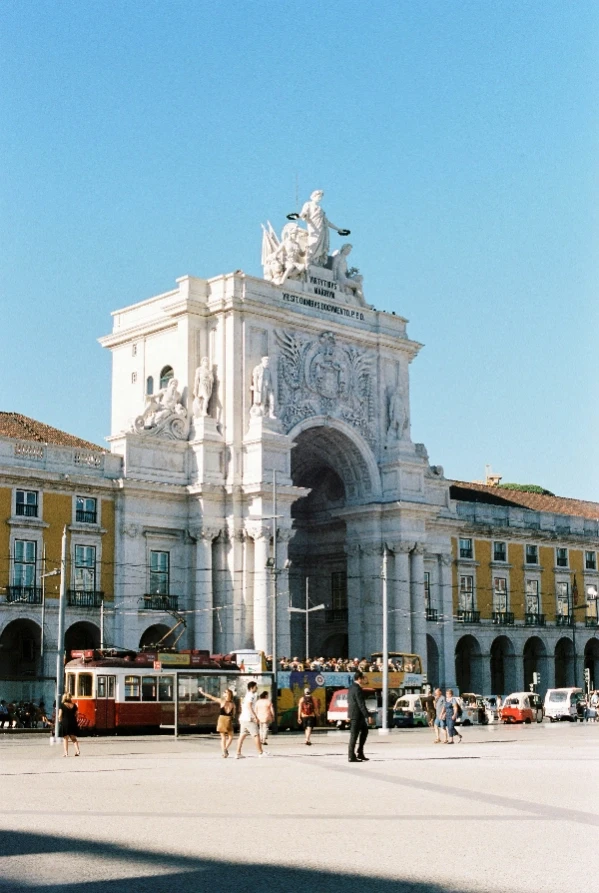
You are particularly likely to encounter these approaches around the pedestrian streets between Rossio, Rua Augusta and Praça do Comércio.
3. Lisbon Airport taxi scams and overcharging
Most Lisbon taxi journeys are straightforward, but visitors should be more careful when taking a taxi from the airport.
In August 2026, Portuguese police carried out an inspection at Lisbon Airport and recorded dozens of taxi-related offences. Reported problems included incorrect use of taximeters, unnecessarily long routes and payment issues.
To avoid problems:
use the official taxi rank
make sure the meter is running
avoid anyone approaching you inside the terminal offering a private taxi
ask for a receipt if necessary
use Uber, Bolt or another established ride-hailing app if you prefer to see the price in advance
Lisbon Airport is relatively close to the city centre, so extremely high quotes for a standard journey into central Lisbon should be treated with caution.
For more options, see our guide to getting from Lisbon Airport to the city centre.

4. Distraction scams and street approaches
Some scams rely less on what someone is selling and more on getting your attention.
You may occasionally encounter someone approaching with a petition, offering an unsolicited object or trying to start an unusually persistent conversation.
The safest approach is simply to say “no, thank you” and keep moving.
Be especially aware if one person is distracting you while another is standing unusually close to your bag or pockets.
These situations are not especially common, but the same principle applies throughout Lisbon: you do not need to stop simply because someone approaches you.
5. Tourist-trap restaurants
A disappointing restaurant is not necessarily a scam, but some establishments in Lisbon's busiest tourist streets rely heavily on passing visitors.
Be cautious when you see:
aggressive staff trying to bring customers inside
no clearly displayed menu or prices
menus covering several unrelated cuisines
unclear charges for starters or extras
consistently poor recent reviews
This is most relevant around the busiest parts of Baixa and Rua Augusta, where restaurants can survive largely on foot traffic.
One detail that sometimes surprises visitors to Portugal is the couvert. Bread, olives, cheese or other small starters placed on the table are not necessarily complimentary. If you eat them, they can be added to the bill.
You are not required to accept them. If you do not want them, simply ask the waiter to take them away.
6. Unofficial or overpriced tickets
For major attractions, tours and transport, booking through the official operator or an established booking platform is usually safer than buying from someone approaching tourists on the street.
Check the price, duration and exactly what is included before paying, particularly for:
attraction tickets
Sintra tours
boat trips
tuk-tuk tours
pub crawls
fado shows
airport transfers
This is particularly useful for tuk-tuk tours, where prices and itineraries can vary considerably between operators. Rather than agreeing to a tour on the spot, compare routes, duration, reviews and the total price in advance. You can see our comparison of the best tuk-tuk tours in Lisbon, with bookable options available through established platforms such as GetYourGuide.
An offer does not need to be completely fake to be poor value. Sometimes the problem is simply paying significantly more for a ticket or tour that could have been booked online with clearer conditions.
For popular attractions such as Jerónimos Monastery, Pena Palace and Castelo de São Jorge, booking in advance can also help you compare prices and avoid unnecessary queues.
7. Theft around Bairro Alto and Cais do Sodré
Lisbon's nightlife districts are generally busy and social rather than dangerous, but crowded bars and streets make it easier for opportunistic theft to happen.
Pay particular attention around:
Bairro Alto
Pink Street
Cais do Sodré
crowded late-night bars
busy Metro and train connections after midnight
Avoid leaving your phone on outdoor café or bar tables, and do not keep it in an exposed back pocket.
Keep an eye on your drink as you would in any major nightlife destination.
Where are tourists most likely to encounter scams in Lisbon?
There is no neighbourhood visitors need to avoid completely.
You should simply be more alert in places with large numbers of tourists and heavy pedestrian traffic, including:
Baixa and Rua Augusta: pickpockets, fake drug sellers and tourist traps.
Tram 28: pickpocketing when carriages become crowded.
Alfama: crowded streets and viewpoints.
Rossio: high pedestrian traffic and occasional street approaches.
Lisbon Airport: potential taxi overcharging.
Bairro Alto and Cais do Sodré: opportunistic theft late at night.
These are also some of Lisbon's most popular areas, so their inclusion here is not a reason to skip them.

What to do if you are robbed in Lisbon
If your phone, wallet, passport or other important belongings are stolen, report the theft to the police.
Lisbon has a dedicated Tourism Police Station (PSP) at Praça dos Restauradores, where officers provide assistance to visitors. Visit Lisboa currently lists the station at Praça dos Restauradores as well as a tourism police service at Santa Apolónia.
For emergencies in Portugal, call 112.
If bank cards are stolen, freeze them immediately through your banking app or contact your card provider.
For a stolen passport or travel document, contact your country's embassy or consulate after filing the police report.
How to avoid scams in Lisbon
You do not need elaborate precautions. A few habits cover most situations:
keep valuables in closed pockets or zipped bags
carry backpacks in front of you on crowded trams
avoid leaving your phone on café tables
ignore street drug sellers
use official taxis or recognised ride apps
check menus and prices before ordering
buy attraction and tour tickets from established sources
be more alert in crowds and nightlife areas
Lisbon remains an easy city to explore independently. Most visitors will never experience anything more serious than being approached by a persistent seller. Staying aware in crowded areas is usually enough.
FAQ: Tourist scams in Lisbon
Is Lisbon safe for tourists?
Yes. Lisbon is generally considered a safe destination for visitors. The main tourist-related problems are petty theft and opportunistic scams rather than violent crime.
What is the most common scam in Lisbon?
Pickpocketing is the issue visitors are most likely to encounter, particularly on crowded public transport and around popular tourist attractions.
Are there pickpockets on Tram 28?
Pickpocketing can occur on Tram 28, especially when carriages are crowded. Keep bags closed and valuables somewhere difficult to access.
Why do people offer drugs in Lisbon?
Street sellers sometimes approach tourists in central Lisbon offering cannabis, hashish or cocaine. Products may be fake or contain completely different substances. Ignore the seller and keep walking.
How can I avoid taxi scams at Lisbon Airport?
Use the official taxi rank and make sure the meter is running, or book through an established ride-hailing app such as Uber or Bolt.
Do restaurants in Lisbon charge for bread and olives?
They can. The Portuguese couvert may include bread, olives, butter or cheese brought to the table. You only pay for items you consume, so ask for them to be removed if you do not want them.
Where is the tourist police station in Lisbon?
The main Tourism Police Station listed by Visit Lisboa is at Praça dos Restauradores, in central Lisbon. For emergencies, call 112.
Planning your trip? Read our guides to how many days to spend in Lisbon and using the Navegante card in Lisbon.

Rafael Rocha
The Author
Having lived and studied in Lisbon for many years, a deep connection to the city grew naturally over time. Here I share practical guides and local recommendations to help you experience Lisbon better.
Buy me a coffee