Lisbon to Algarve road trip: best stops & itinerary
Plan the best Lisbon to Algarve road trip, with stops in Comporta, Porto Covo, Milfontes, Odeceixe, Aljezur, Lagos and Sagres.
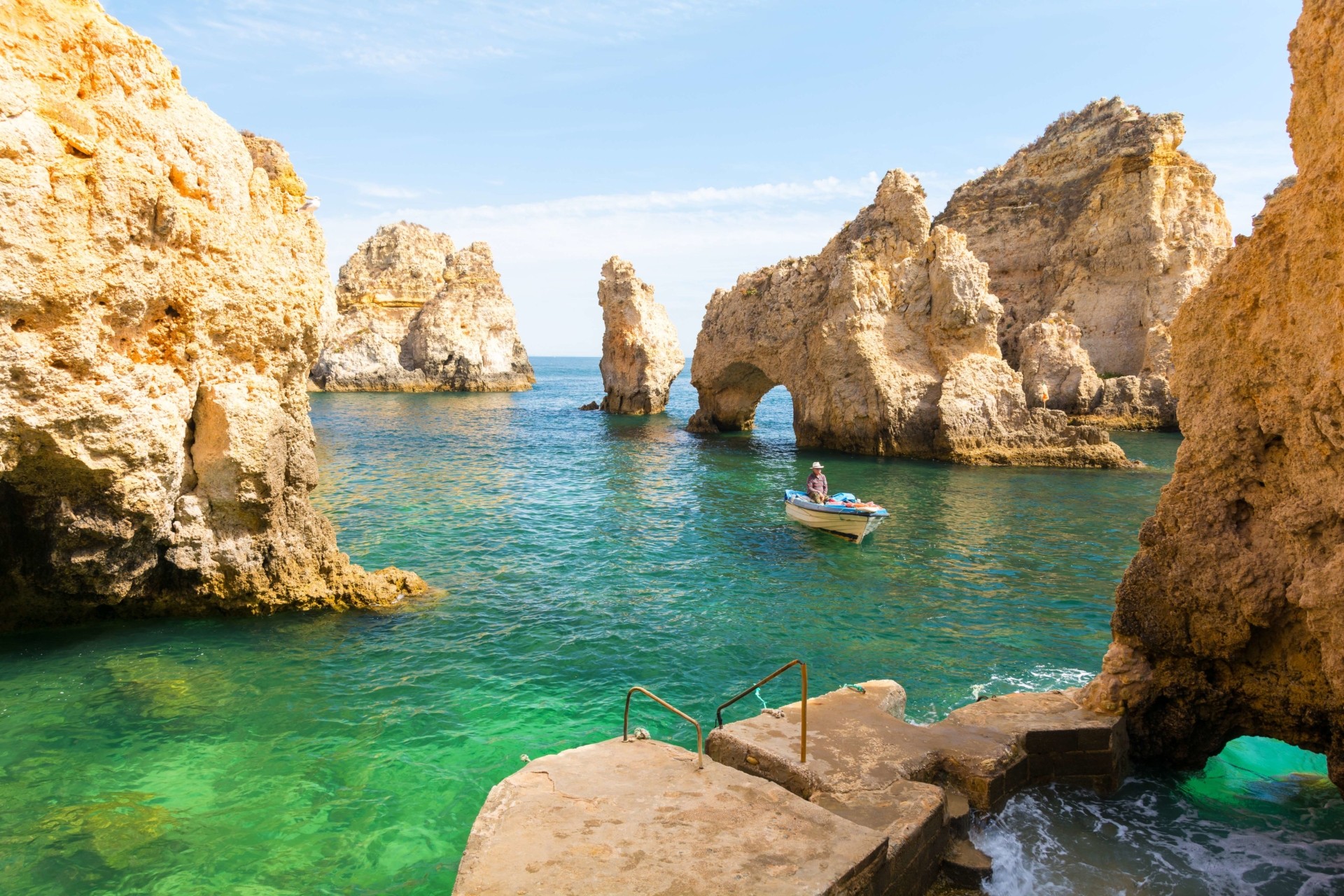
Driving directly from Lisbon to the Algarve takes around three hours, but the fastest route misses one of Portugal’s most rewarding stretches of coastline. Between the capital and the southern beaches, the landscape passes through the rice fields of Comporta, the small fishing towns of the Alentejo coast and the cliffs of the Costa Vicentina.
A Lisbon to Algarve road trip works best over four to six days. This gives you enough time to stop in Comporta, Porto Covo, Vila Nova de Milfontes, Odeceixe and Aljezur before reaching Lagos or Sagres without spending the entire trip in the car.
Lisbon to Algarve road trip: the quick answer
The best coastal route is:
Lisbon → Comporta → Porto Covo → Vila Nova de Milfontes → Odeceixe → Aljezur → Lagos → Sagres
Allow at least four days, although five or six provide a much better balance between driving, beaches and exploring each town.
Day | Route | Suggested overnight stop |
|---|---|---|
1 | Comporta or Carvalhal | |
2 | Comporta to Porto Covo | Porto Covo |
3 | Porto Covo to Vila Nova de Milfontes | Vila Nova de Milfontes |
4 | Milfontes to Odeceixe and Aljezur | Aljezur or Arrifana |
5 | Aljezur to Lagos and Sagres | Lagos or Sagres |
If you only need to travel between Lisbon and the Algarve, take the A2 motorway. The coastal itinerary is considerably longer and should be treated as part of the holiday rather than simply a transfer.
Day 1: Lisbon to Comporta
Leave Lisbon in the morning and travel south towards Setúbal. From there, you can take the car ferry across the Sado estuary to Tróia or continue by road through Alcácer do Sal.
The ferry is the more scenic option and places you directly on the Tróia Peninsula, but departures and queues can add uncertainty. Check the current Atlantic Ferries timetable before travelling, especially in summer.
Continue south through the dunes and rice fields towards Comporta. The village itself is small, with whitewashed buildings, restaurants and design-focused shops. Its popularity has made accommodation and meals expensive, so staying in nearby Carvalhal, Melides or Alcácer do Sal can provide better value.
Spend the afternoon at Praia da Comporta or Praia do Carvalhal. Both have long sandy beaches, although parking fills quickly in July and August.
Driving time: approximately 1 hour 30 minutes to 2 hours, excluding the ferry wait
Stay overnight: Comporta, Carvalhal or Melides
Day 2: Comporta to Porto Covo
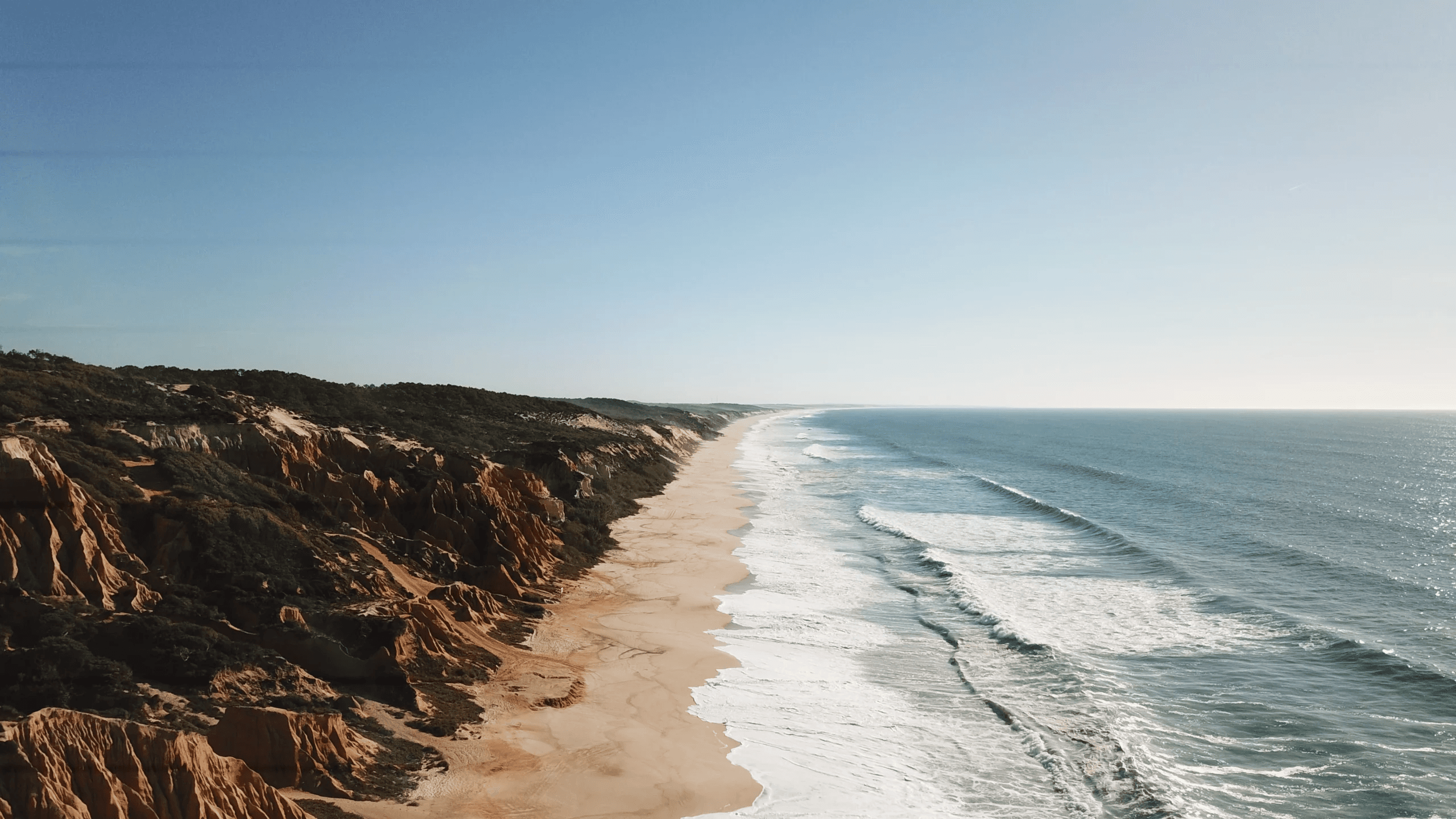
Continue south towards Sines before following the coast to Porto Covo. You can stop at Praia de São Torpes along the way, but avoid spending too much time in Sines unless you are particularly interested in its maritime and industrial history.
Porto Covo is one of the most attractive small towns on the Alentejo coast. Its compact centre is arranged around Praça Marquês de Pombal, while several coves and beaches are within walking distance.
For a short coastal walk, follow part of the Fishermen’s Trail north or south of town. Praia dos Buizinhos is closest to the centre, while Praia Grande has more space and easier facilities.
During summer weekends, Porto Covo becomes busy and parking near the centre can be difficult. Arrive by early afternoon or leave the car at the edge of town.
Driving time: approximately 1 hour 30 minutes
Stay overnight: Porto Covo
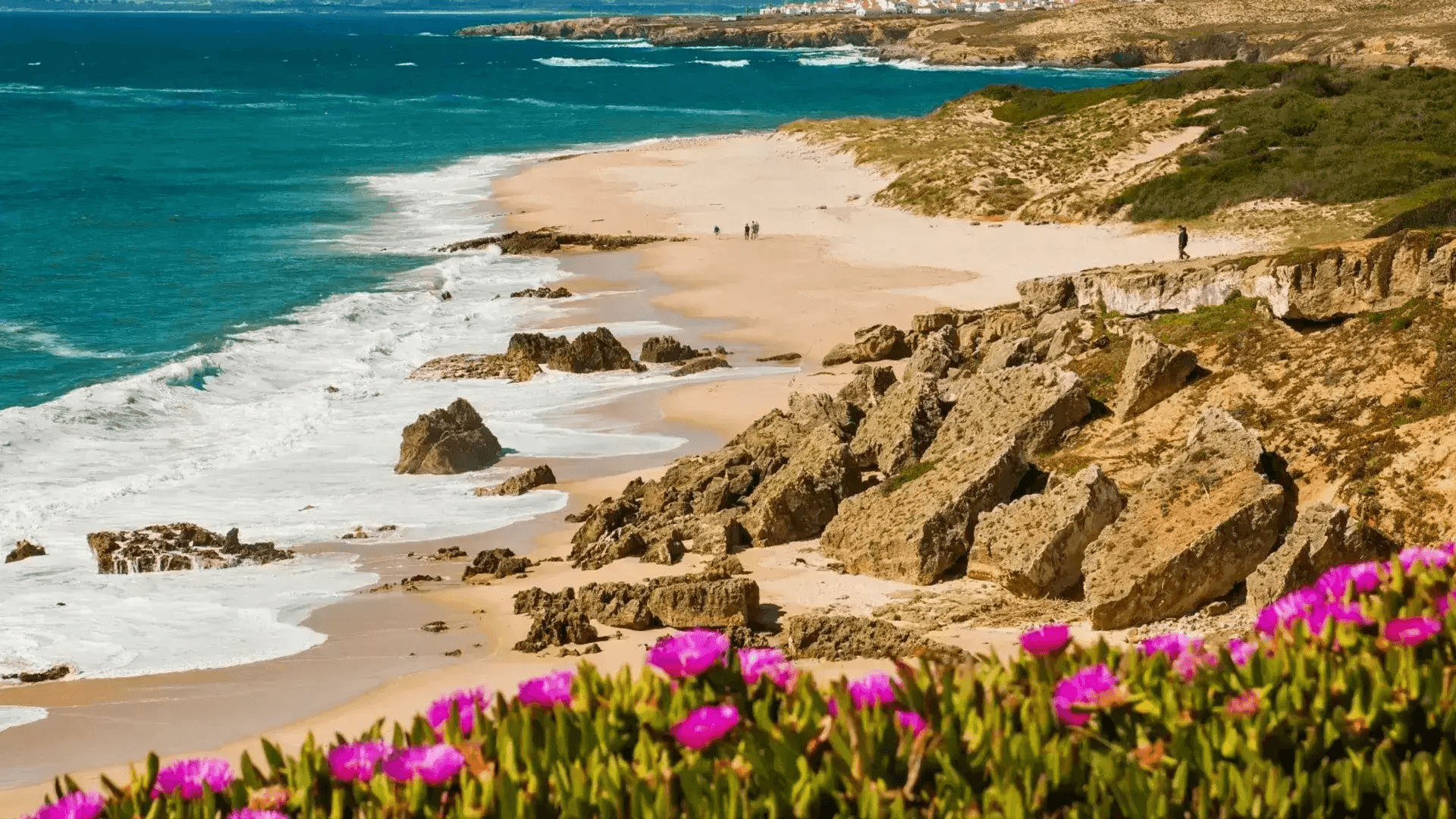
Day 3: Porto Covo to Vila Nova de Milfontes
The journey to Vila Nova de Milfontes is short, allowing time for beaches along the way. Praia da Ilha do Pessegueiro and Praia do Malhão are two of the best stops on this section.
Vila Nova de Milfontes sits where the Mira River meets the Atlantic. It is larger and livelier than Porto Covo, with more accommodation, restaurants and services. The river beaches are usually more sheltered, while the Atlantic side offers stronger waves and a wilder setting.
Walk through the old centre to Forte de São Clemente and continue towards the waterfront. For a wider view of the town and river mouth, cross the bridge and stop at the viewpoint on the southern bank.
Milfontes is a practical place to spend two nights if you want a slower itinerary. You can use the additional day for beaches, kayaking on the Mira or a section of the Rota Vicentina.
Driving time: approximately 30 minutes without stops
Stay overnight: Vila Nova de Milfontes
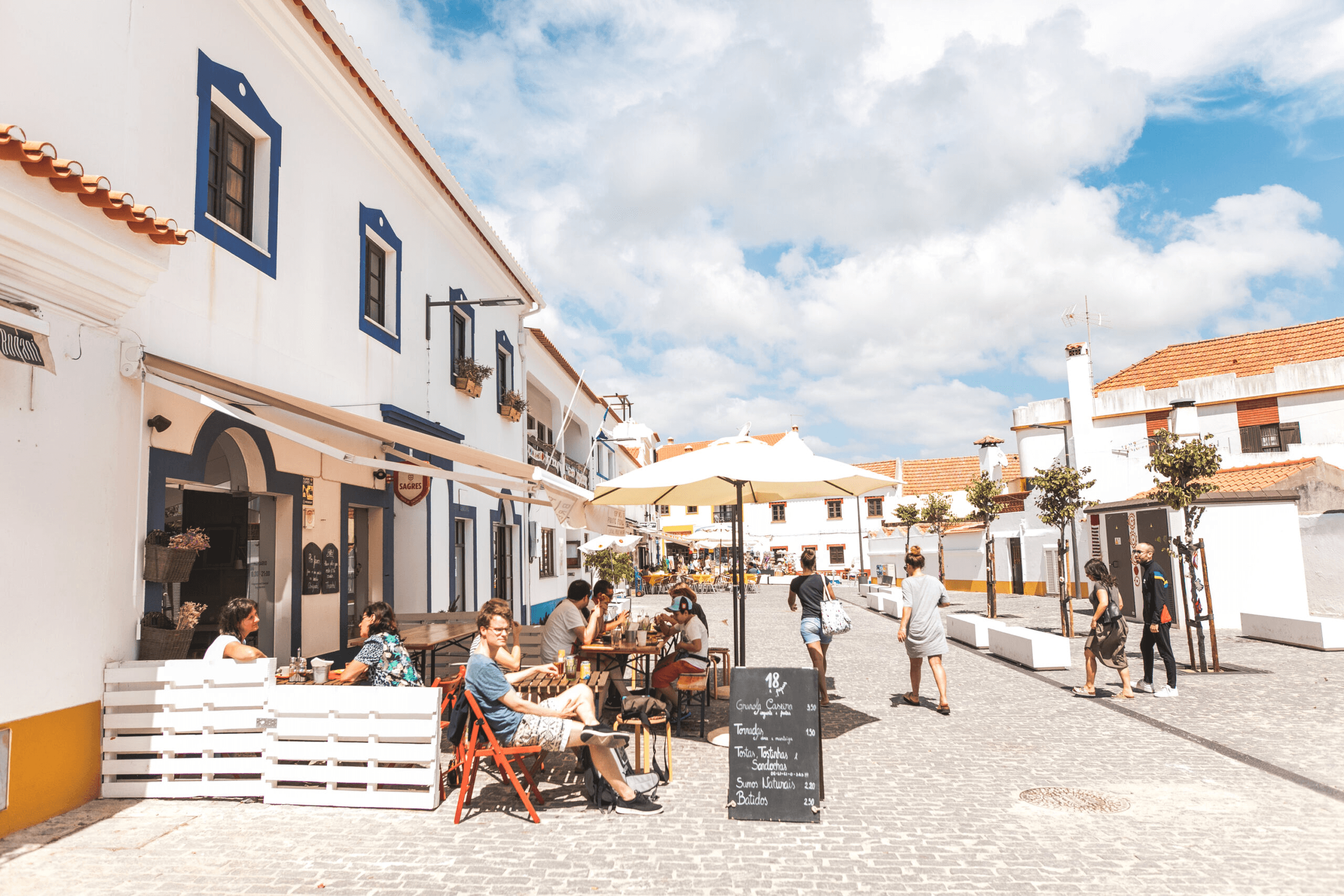
Day 4: Milfontes to Odeceixe and Aljezur
Leave Milfontes and continue through Almograve and Zambujeira do Mar. Cabo Sardão is a worthwhile detour for coastal views, but the roads in this area are slower than the distances suggest.
Stop in Zambujeira do Mar for coffee or lunch before driving to Odeceixe. The village sits inland beside the Seixe River, while Praia de Odeceixe is a few kilometres away. From the clifftop viewpoint, you can see the river curve around the sand before reaching the Atlantic.
Odeceixe marks the northern edge of the Algarve, but the scenery remains closer to the rural Alentejo coast than to the resort towns farther east.
Continue to Aljezur, where the ruins of a hilltop castle overlook the old town. If time allows, drive to Praia da Amoreira or Arrifana before sunset. Arrifana is particularly dramatic, but its steep access road and limited parking require patience in summer.
Driving time: approximately 2 hours without beach stops
Stay overnight: Aljezur or Arrifana
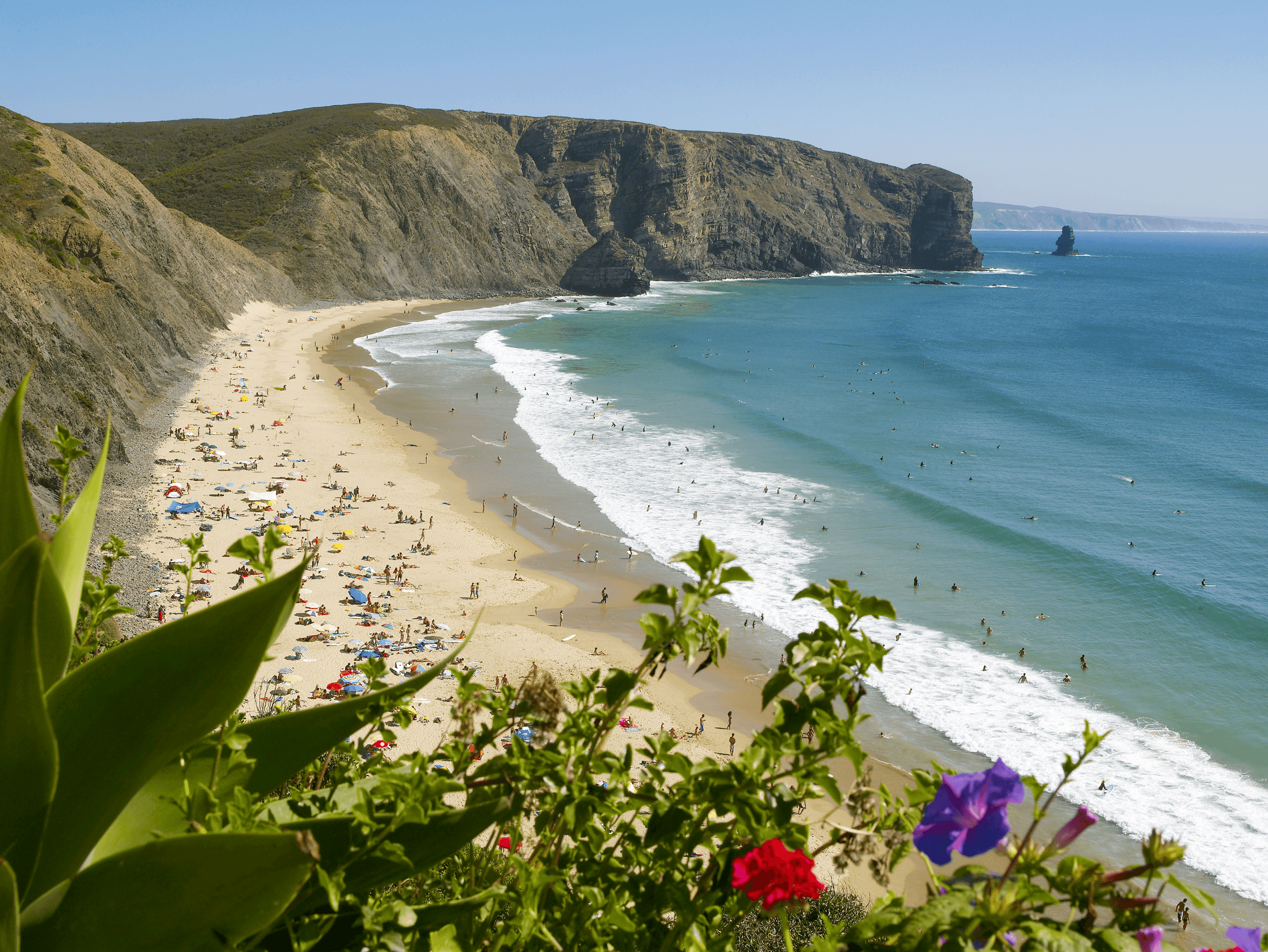
Day 5: Aljezur to Lagos and Sagres
The final section takes you through the western Algarve. You can drive directly to Lagos or continue first to Sagres and Cabo de São Vicente.
Lagos is the better base for restaurants, nightlife and access to beaches such as Praia do Camilo and Dona Ana. Take a Ponta da Piedade boat trip or walk along the cliffs at Ponta da Piedade, but reserve popular activities in advance during summer.
Sagres has a quieter, more exposed atmosphere. Visit the fortress and continue to Cabo de São Vicente, the southwestern tip of mainland Portugal. The area is frequently windy, even when Lagos feels warm and sheltered.
If your Algarve holiday continues east towards Albufeira, Faro or Tavira, spend the night in Lagos and use the A22 for the remaining journey.
Driving time: approximately 1 hour to Lagos or 1 hour 30 minutes to Sagres
Stay overnight: Lagos or Sagres

Can you do this road trip in three days?
Yes, but you will need to combine stops:
Day 1: Lisbon, Comporta and Porto Covo
Day 2: Vila Nova de Milfontes, Odeceixe and Aljezur
Day 3: Lagos, Sagres and Cabo de São Vicente
This version works outside peak summer, when traffic and parking are easier. With only two days, take the direct A2 route and choose one overnight stop rather than attempting the entire coast.
Driving, tolls and car rental
Portugal has conventional toll roads and roads with electronic collection. On the A2, payment is possible at toll booths by cash, bank card or Via Verde. Rental cars commonly include or offer an electronic toll device, but you should confirm the fee and billing process before leaving the rental desk.
Foreign-registered vehicles can use services including Via Verde Visitors. The official Visit Portugal toll guide explains the available payment methods.
Avoid collecting a rental car while staying in central Lisbon. Parking is expensive and driving is unnecessary for exploring the city. Arrange collection for the morning you leave, preferably from the airport or an office with easy access to the main roads. If you need accommodation beforehand, compare the best neighbourhoods to stay in Lisbon.
Most coastal roads are paved and manageable in a normal car. However, drive cautiously on narrow roads leading to beaches, never leave luggage visible and do not park on vegetation or unmarked tracks.
Best time for a Lisbon to Algarve road trip
May, June, September and early October offer the best combination of pleasant weather and manageable traffic. July and August bring warmer beach conditions but also higher accommodation prices, crowded car parks and slower access to popular beaches.
Spring is greener and quieter, although Atlantic water temperatures remain cool. Winter can work for hiking and relaxed coastal towns, but some restaurants and tourism businesses operate reduced hours.
FAQ - Lisbon to Algarve road trip
How long does it take to drive from Lisbon to the Algarve?
The direct drive from Lisbon to Faro takes around three hours without long stops. A coastal road trip through Comporta and the Costa Vicentina requires at least four days.
What are the best stops between Lisbon and the Algarve?
The best stops are Comporta, Porto Covo, Vila Nova de Milfontes, Odeceixe, Aljezur, Arrifana, Lagos and Sagres.
Is the drive from Lisbon to the Algarve difficult?
No. The A2 is straightforward, while the coastal route uses slower national and local roads. The main challenges are summer traffic, narrow beach access roads and limited parking.
Do I need a car for the Algarve?
A car is highly useful for the Costa Vicentina and smaller beaches. If you only plan to visit Faro, Lagos or Tavira, trains and buses may be sufficient.
Should I stop in Évora between Lisbon and the Algarve?
Évora is an excellent destination but lies inland and does not fit naturally into this coastal route. Include it if you have an additional one or two days and prefer history, food and wine to beaches.

Rafael Rocha
The Author
Having lived and studied in Lisbon for many years, a deep connection to the city grew naturally over time. Here I share practical guides and local recommendations to help you experience Lisbon better.
Buy me a coffee