Setubal Portugal Guide: Beaches, Food and Day Trip Tips
Plan Setubal from Lisbon with realistic transport advice, beaches, food, Arrabida context, Troia options and practical day trip tips.
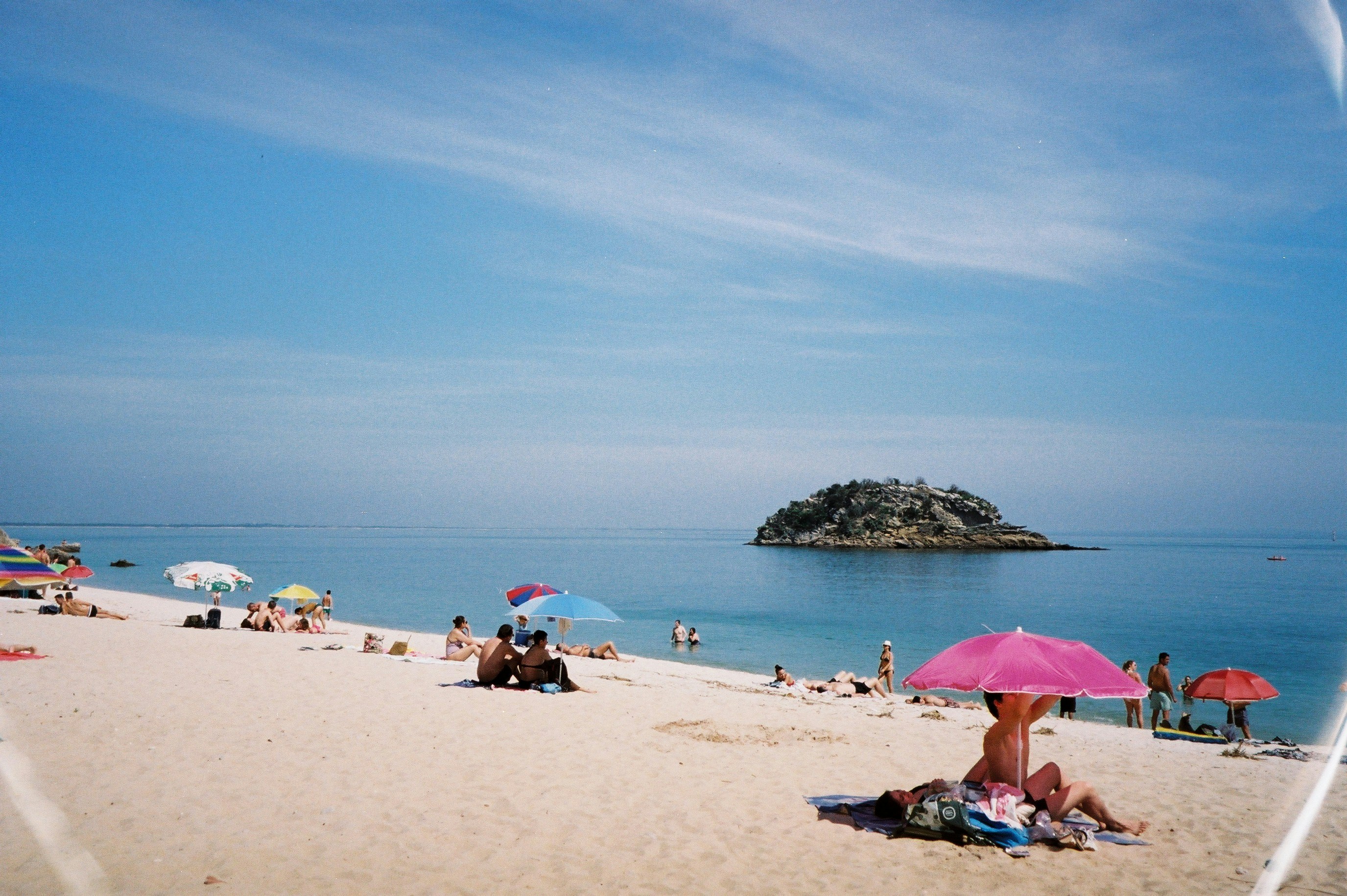
Setubal is one of the strongest day trips south of Lisbon, but it needs a different plan from Sintra, Cascais or Sesimbra. The city sits on the Sado estuary, with Arrabida behind it, Troia across the water and a working local centre that still feels more lived-in than polished for visitors.
This Setubal Portugal guide is for travellers deciding whether to give it a full day from Lisbon. It covers the city, the waterfront, food, beaches, transport and how Setubal compares with nearby coastal options. If you are still choosing between beach trips, keep Sesimbra and the best beaches near Lisbon open as useful comparisons.
Why Setubal is worth visiting
Setubal works because it gives you several versions of the region in one place. The official tourism site presents the area through nature, culture, adventure, food and the wider Arrabida landscape. That is a fair summary: you can spend the morning in the historic centre, eat fish or choco frito, walk the bay, visit a market, continue toward Arrabida or cross to Troia if you have time.
The city is not postcard-perfect at every corner, and that is part of the appeal. Setubal has a port, apartment blocks, local shops and normal streets alongside its attractive squares and waterfront. Travellers who want a curated resort atmosphere may prefer Cascais. Travellers who like places that still function as real towns may find Setubal more rewarding.
Best things to do in Setubal
Start around Avenida Luisa Todi and the old centre
Avenida Luisa Todi is the easiest orientation line. From there, you can move into the historic centre, look for cafes, explore small streets and decide whether you want a city-focused day or a coast-focused one. The municipal tourism office at Casa da Baia is useful if you want current advice on events, beaches, operators or local routes.
Do not rush straight out to the beaches without seeing the centre. Setubal's value is the combination: city, food, bay, river and mountain. A short walk through the centre before lunch gives the day a stronger sense of place.
Visit Mercado do Livramento if food is your priority
Mercado do Livramento is one of Setubal's best-known food landmarks, especially for fish and produce. Go earlier in the day if the market is important to you, because markets are most interesting before everything winds down. Treat it as a working market, not just a photo stop: move carefully, avoid blocking stalls and buy something small if you want to engage with the place.
Walk the waterfront and think about Troia
The Sado waterfront helps you understand Setubal quickly. Ferries connect Setubal with Troia, and the Troia side has long sandy beaches and resort infrastructure. A crossing can make sense if you start early and want a beach extension, but it can also turn a simple Setubal day into a lot of moving parts. Check current ferry information directly before committing.
Use Arrabida carefully, not casually
Arrabida is the dramatic landscape behind Setubal, with famous beaches such as Figueirinha, Galapinhos, Creiro and Portinho da Arrabida. It is also the part of the trip where planning matters most. Summer access, parking and beach transport can change, and the official Setubal channels regularly publish seasonal mobility updates. If Arrabida is your main goal, read Lisbon to Arrabida day trip before building your route around it.
How to get from Lisbon to Setubal
The simplest no-car route is usually the Fertagus train from Lisbon to Setubal, with Lisbon stops such as Roma-Areeiro, Entrecampos, Sete Rios and Campolide depending on where you start. Fertagus lists Setubal as the southern end of its service and notes the station's central position in the city. Always check the current timetable on the day, especially at weekends or holidays.
Carris Metropolitana also operates bus connections between Lisbon and Setubal, including routes that use Lisboa Oriente. Buses can be useful depending on where you are staying, but timetables and route patterns are not something to guess from memory. Use the operator or Navegante planner before leaving.
Driving gives more freedom for Arrabida, Azeitao or multiple beaches, but it also introduces parking pressure. In summer, a car can be both helpful and frustrating. For more no-car planning, compare day trips from Lisbon without a car and day trips from Lisbon by train.
What to eat in Setubal
Setubal is one of the best places near Lisbon for fish, seafood and choco frito, the fried cuttlefish closely associated with the region. Choose restaurants by freshness, clarity and pace rather than only by waterfront view. A simple room with a busy lunch service can be a better bet than a terrace that feels built only for passing visitors.
If you are building a food-focused trip around Lisbon, Setubal belongs in the same mental group as Cacilhas, Sesimbra and Cascais: close enough for a day, different enough to justify the effort. For comparison, see Cacilhas from Lisbon.
Best time to visit Setubal
Setubal is most flexible from spring to early autumn. Beach weather makes the coast more tempting, but July and August bring more pressure on roads, parking and restaurants. September is often a good compromise: warm water, easier logistics and fewer peak-season crowds. In winter, focus on food, city walks and views rather than swimming.
For a first visit, plan a full day rather than a half day. A rushed Setubal trip often feels like too much transport for too little reward. With a full day, you can let the weather decide whether the day becomes city, beach, Troia or Arrabida-focused.
Bottom line
Setubal is worth visiting from Lisbon if you want a real coastal city with strong food culture, Sado views and access to Arrabida. It is less convenient than Cascais and less compact than Sesimbra, but it offers more variety. Build the day around one main priority, check current transport, and avoid trying to fit Setubal, Troia and multiple Arrabida beaches into one rushed itinerary. For a wider route, it can also fit naturally into a seven-day Portugal itinerary.

Rafael Rocha
The Author
Having lived and studied in Lisbon for many years, a deep connection to the city grew naturally over time. Here I share practical guides and local recommendations to help you experience Lisbon better.